Rohit Laila is a seasoned veteran in the logistics and supply chain sector, bringing decades of hands-on experience to a landscape that has transformed radically during his career. As an expert who has navigated the shift from traditional brick-and-mortar operations to the high-velocity world of
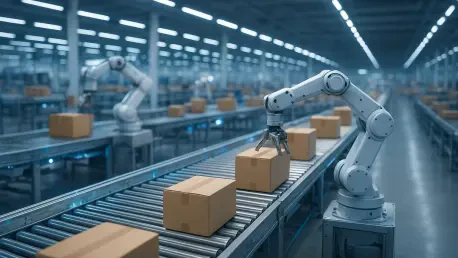
The global retail industry is currently experiencing a seismic shift as major corporations transition from basic automation to advanced artificial intelligence systems designed to orchestrate every aspect of the consumer experience. No longer confined to experimental pilot programs, AI is becoming

The logistics and robotics landscape is currently undergoing a massive transformation, driven by a surge in demand for automation and the rapid evolution of artificial intelligence. As we navigate the midpoint of 2026, the industry is witnessing a fascinating intersection where theoretical AI

The rapid convergence of digital inventory management and physical retail execution has transformed the way modern merchants approach customer satisfaction and supply chain efficiency. Unified commerce represents a strategic move beyond simple omnichannel sales toward a transparent environment

The seamless efficiency of modern logistics no longer rests on the stamina of human workers but on the sophisticated reasoning of silicon and steel. As supply chains face a staggering 90% talent acquisition gap, the pivot toward automated infrastructure has transformed from a futuristic luxury into
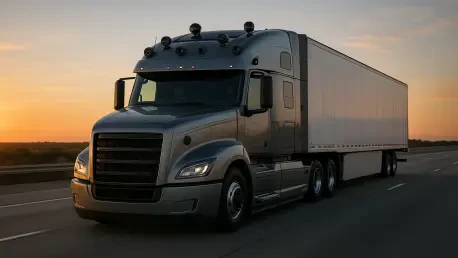
The sight of a heavy-duty trailer navigating a complex highway interchange without a driver touching the wheel has shifted from a futuristic novelty into a standardized industrial reality. At the 2026 Autonomous Mobility Industry Exhibition, the focus has moved decisively away from small passenger