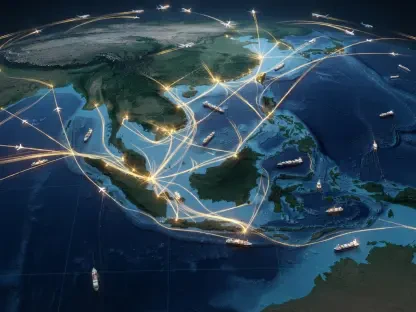

The 25.4% spike in sea freight producer prices represents the most drastic impact of the current Middle Eastern conflict on Singapore’s essential transport infrastructure. As a nation deeply integrated into global trade, Singapore remains sensitive to geopolitical tremors that affect energy transit through the Strait of Hormuz. The Singapore Department of Statistics recently confirmed that the closure of this critical maritime artery—responsible for 20% of the world’s oil and gas—has sent shockwaves through the local energy market. Imported fuels and lubricants saw a staggering price increase of nearly 79% in the early part of 2026, creating an immediate upstream burden for logistics providers. This surge is a reflection of how fragile the equilibrium of energy supply chains remains in a volatile landscape. Producers are now faced with the difficult decision of passing these escalating costs directly to business-to-business clients, signaling a period of sustained price adjustments in the storage sectors.
Sectoral Impacts and Sea Freight Volatility
Maritime Logistics: Bulk Freight and Gas Shipments
The concentration of cost increases in the sea freight sector reflects the deep reliance on Middle Eastern trade routes for energy security. Ships carrying liquid bulk and liquefied natural gas have faced the brunt of the disruption, with producer prices climbing to heights not seen since previous global energy crises. These price movements are largely a consequence of increased insurance premiums and the necessity for longer, more expensive shipping routes to avoid high-risk zones. While large container carriers operating on trans-Pacific or intra-Asian lanes felt less immediate pressure from the conflict itself, they were not immune to the rising price of bunker fuel. This secondary effect meant that even goods moving between Southeast Asia and North America became more expensive to transport. The volatility of crude oil, which recently touched the $117 per barrel mark, ensured that every nautical mile traveled in 2026 required a significantly higher financial commitment from shipping firms.
Shipping Infrastructure: Fuel Costs and Route Diversion
Beyond the direct fuel surcharges, the shipping industry has had to contend with a tightening of global vessel capacity as many ships are diverted to longer alternative routes. This rerouting has effectively reduced the frequency of port calls in Singapore, leading to congestion and increased handling times. When ships are delayed or forced to take longer paths, the cost of labor, maintenance, and capital depreciation rises accordingly. Consequently, the maritime sector has become a primary driver of domestic inflation within the logistics ecosystem. The data suggests that these costs are being passed through the supply chain with remarkable speed, affecting everything from industrial components to raw materials for manufacturing. Shipping lines are increasingly implementing emergency risk surcharges to cover the mounting unpredictability of operating in contested waters. This environment has forced many local logistics firms to re-evaluate their contract structures to include more flexible fuel adjustment clauses.
Logistics Distribution and Courier Trends
Air Freight: Challenges and Global Rerouting
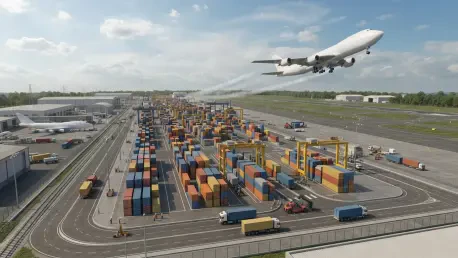
The freight forwarding sector has recorded a 10.2% price increase as the ripples of the conflict reached the aviation industry. Air freight providers have been forced to navigate a complex web of airspace closures and rerouting requirements, particularly for cargo originating from or heading toward European markets. These diversions do not only increase flight time but also require significantly higher fuel loads, which are already priced at a premium due to global oil market instability. Furthermore, as sea freight becomes more expensive and less predictable, some high-value goods have shifted toward air transport, further squeezing available capacity and driving up rates. Air freight forwarders now find themselves in a precarious position where they must manage carrier rate hikes while maintaining service reliability for time-sensitive deliveries. The shift in logistics patterns has necessitated a more data-driven approach to route planning as firms seek to minimize exposure to geopolitical flashpoints.
Courier Operations: Strategic Resilience and Market Adjustments
The collective response to these rising transport costs necessitated a shift toward more resilient and diversified supply chain strategies among Singapore’s major logistics stakeholders. Businesses moved beyond traditional cost-cutting measures and prioritized regional sourcing to minimize their exposure to long-haul shipping disruptions and high-risk maritime routes. To combat the persistent inflationary pressure, the industry focused on digitizing logistics operations to enhance real-time visibility and predictive analytics, which helped in identifying more efficient transport corridors. Strategic investments in fuel-efficient fleet upgrades and sustainable energy alternatives were accelerated to reduce the sector’s long-term dependence on volatile oil markets. Government agencies collaborated with private firms to provide targeted financial assistance, ensuring that essential supply lines remained operational despite the geopolitical turmoil. Ultimately, the focus transitioned toward building a more adaptable logistics infrastructure.