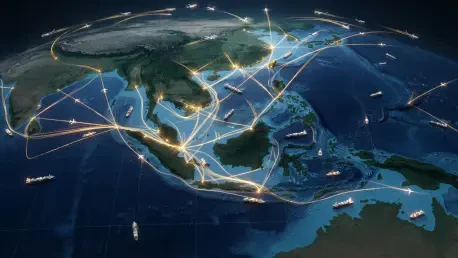

The sheer scale of trade between China and ASEAN nations has surged past the trillion-dollar mark, yet the infrastructure supporting this exchange remains surprisingly fragile under pressure. Despite the rapid expansion of physical shipping routes and port facilities across Southeast Asia, a fundamental disconnect exists between the density of logistics networks and the ability of businesses to navigate sudden global disruptions. Many organizations have adopted what experts term “paper resilience,” where alternative routes exist on a map but lack the operational framework to be activated during a crisis. This vulnerability persists even as trade volumes grow, revealing that the mere addition of more transport modes does not inherently shield a supply chain from volatility. The current landscape is defined by high trade stakes and low systemic integration, forcing logistics leaders to reconsider whether their diversified networks are truly functional or merely a collection of untapped options that look good on paper.
The Integration Paradox: Why Diversity Fails Without Connectivity
Research into regional logistics reveals that while eighty-seven percent of decision-makers have successfully diversified their shipping methods, a staggering ninety-two percent admit these strategies are only partially integrated. This misalignment creates a situation where companies have access to rail, sea, and air alternatives but lack the commercial agreements or digital infrastructure to switch between them instantly. Consequently, when a primary maritime route faces a chokepoint, the transition to a secondary land route often involves significant delays due to bureaucratic hurdles and a lack of pre-negotiated capacity. The gap is further widened by the fact that almost no organizations have achieved the highest levels of partner connectivity or public-authority integration. Without these deep institutional links, the potential for seamless multimodal logistics remains a theoretical benefit rather than a practical reality that can be utilized to protect the bottom line during crises.
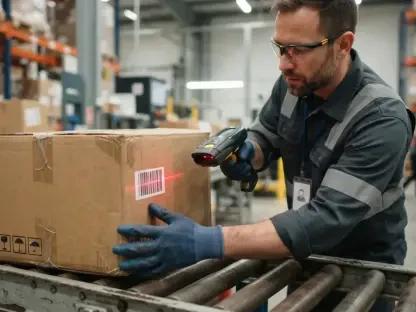
The complexity of the regional supply chain involves a dense web of freight forwarders, customs brokers, and terminal operators, each introducing potential points of failure. Even though ninety-one percent of organizations have transitioned to digital documentation, half of these firms report limited integration with their external partners, resulting in persistent information gaps at every handover point. These gaps often lead to a reactive management style where sixty-nine percent of leaders find themselves scrambling to manage disruptions only after they have already impacted the flow of goods. Instead of leveraging technology to anticipate problems, most firms resort to expensive emergency measures such as safety stock increases or last-minute airfreight shipments. This approach not only erodes profit margins but also fails to address the underlying lack of visibility that prevents proactive decision-making. The reliance on fragmented manual processes ensures the resilience gap remains a hurdle.
Strategic Evolution: Shifting From Reactive to Proactive Frameworks
To address these systemic weaknesses, industry leaders have proposed a five-stage maturity model designed to guide organizations toward a more resilient and orchestrated future. Currently, a majority of businesses function in the lower tiers of this model, relying on ad hoc firefighting and manual coordination to solve disruptions as they arise. These reactive and managed stages are characterized by a heavy dependence on specific individuals and basic visibility tools that provide only a snapshot of the current situation. Moving toward the orchestrated level requires companies to pre-cost and pre-test alternative routes, ensuring that decision rights are pre-approved for rapid execution. This shift allows a network to recognize a disruption and execute a transition without the need for lengthy approval cycles that often exacerbate delays. By establishing these frameworks before a crisis occurs, logistics leaders can ensure that their supply chains remain agile and robust in the present year.
The transition toward a truly resilient supply chain required a move away from superficial diversification and toward deep, structural integration across all logistics partners. Organizations that successfully bridged the resilience gap focused on maturing their internal processes to allow for seamless data exchange and pre-planned alternative routing. They prioritized the implementation of predictive analytics to identify potential chokepoints well before they became critical issues for cargo movement. Decision-makers recognized that investing in digital synchronization was more effective than simply holding larger quantities of safety stock or relying on expensive airfreight as a backup. By formalizing commercial agreements and establishing clear decision rights for rapid pivoting, these firms transformed their logistics networks into agile systems. The focus shifted from reacting to past failures to orchestrating future flows with precision, ensuring long-term stability for the entire ecosystem.