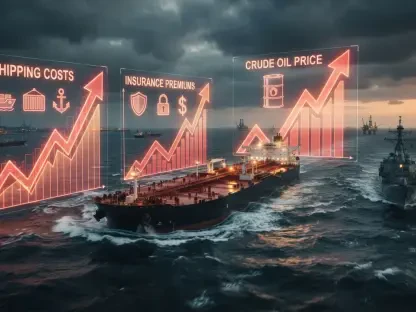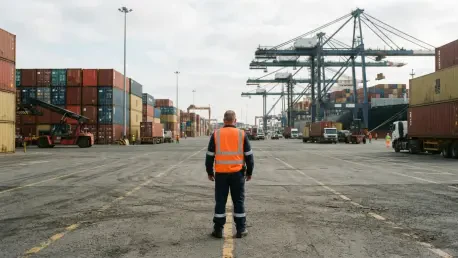

Marine insurers are systematically reshaping their risk appetite and premium structures in response to the escalating kinetic threats in the Persian Gulf. This volatile environment is no longer characterized by minor diplomatic skirmishes but by direct military actions that have fundamentally

Independent owner-operators currently represent more than half of the American trucking industry, yet these single-vehicle businesses lack the volume-based purchasing power to negotiate fuel discounts available to mega-fleets. As the logistical heartbeat of the United States, these small

The global economy remains fundamentally maritime as over eighty percent of all merchandise trade relies on a silent network of shipping lanes that function as an efficient engine for growth. This vast oceanic infrastructure ensures the steady flow of energy, raw materials, and consumer goods,
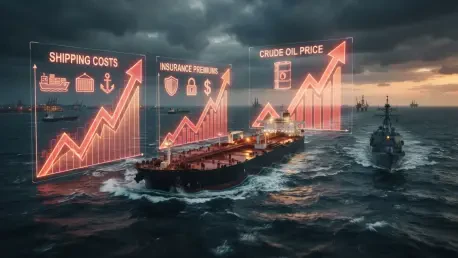
The dramatic spike in Very Large Crude Carrier rates from three dollars to over thirty-seven dollars per barrel has disrupted traditional energy trade economics. While the global market typically fixates on the fluctuations of Brent or West Texas Intermediate benchmarks, a more insidious

The Bill of Lading serves as a vital transport document in a CIF transaction, acting as the key that allows the buyer to claim their goods once they reach the destination port. In the maritime trade landscape of 2026, this rule provides a structured framework for managing the movement of bulk
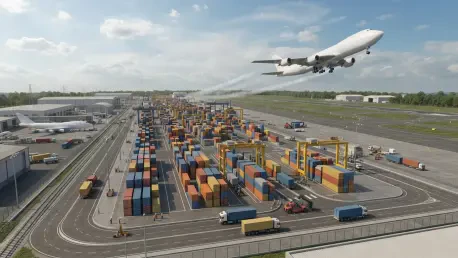
The 25.4% spike in sea freight producer prices represents the most drastic impact of the current Middle Eastern conflict on Singapore’s essential transport infrastructure. As a nation deeply integrated into global trade, Singapore remains sensitive to geopolitical tremors that affect energy transit