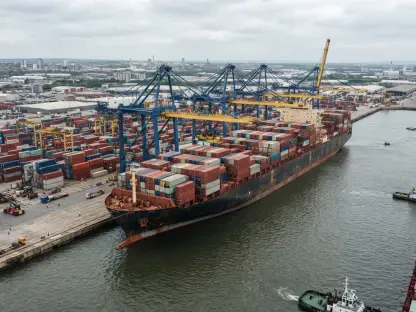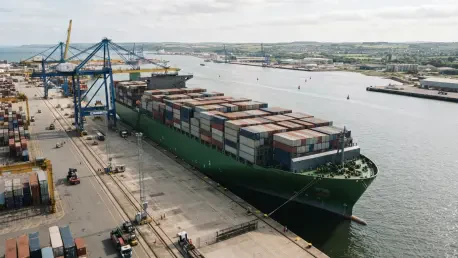

China is challenging the historical dominance of Western institutions by building an integrated ecosystem designed to protect its own high-tech vessels and critical energy cargoes. This fundamental shift is orchestrated through the “Guiding Opinions on Accelerating the High-Quality Development of Marine Insurance,” a strategic framework jointly released by seven national authorities, including the People’s Bank of China and the Ministry of Transport. The initiative marks a departure from traditional models, emphasizing a lifecycle approach to insurance that covers a vessel from the initial drafting board in a shipyard to its final dismantling at a recycling facility. By prioritizing high-value assets like liquefied natural gas carriers and ultra-large container ships, the Chinese government is positioning its domestic insurance sector to safeguard the backbone of its industrial security. This coordinated effort aims to foster a self-reliant financial environment that can independently evaluate risks and provide comprehensive coverage for the most sophisticated maritime technologies currently in operation across the globe.
Strategic Innovation and Environmental Adaptation
Navigating the Twin Transitions: Green Shipping Initiatives
The transition toward green shipping has introduced a complex array of technical risks that traditional insurance frameworks were not equipped to handle, prompting Chinese insurers to pioneer specialized coverage for alternative-fuel bunkering. As the maritime world shifts from heavy fuel oils to methanol, ammonia, and battery-powered propulsion, the safety parameters for cargo handling and engine reliability have changed significantly. These new insurance products are designed to mitigate the uncertainties associated with green vessel retrofits and the specialized equipment required for decarbonized fleets. By aligning financial protection with environmental mandates, the domestic market is ensuring that shipowners can confidently invest in sustainable technologies without facing prohibitive insurance costs or coverage gaps. This proactive stance on environmental risk management allows the Chinese insurance sector to take a leading role in the global energy transition, providing a blueprint for how financial institutions can support the decarbonization of international trade routes.
Securing the Digital Frontier: Intelligent Maritime Solutions
Simultaneously, the rise of intelligent shipping necessitates a robust response to the challenges posed by autonomous and remotely operated vessels, where the focus of insurance shifts from human error to algorithmic reliability. Chinese authorities are emphasizing the development of insurance solutions that specifically target cybersecurity threats, as the digitized nature of modern navigation systems creates new vulnerabilities for global logistics. These policies are crafted to provide a safety net for the technological autonomy required to maintain efficiency in a competitive market, covering potential data breaches and system failures that could disrupt maritime operations. By integrating these digital risks into standard marine coverage, the sector is preparing for a future where intelligent systems manage the majority of oceanic traffic. This strategy not only protects individual assets but also enhances the overall resilience of the maritime infrastructure against cyber warfare and technical malfunctions, ensuring that the transition to automated shipping remains secure and economically viable.
Financial Sovereignty and Technological Integration
Asserting Pricing Independence: The Role of Data and AI
A central objective of the current transformation is the assertion of independent risk pricing, which seeks to reduce the historical reliance on models developed in London and other traditional maritime hubs. To achieve this, China is building a comprehensive domestic data-sharing platform that aggregates information from shipping companies, classification societies, and satellite monitoring systems. By leveraging artificial intelligence to analyze vast amounts of real-time data, insurers can now develop pricing mechanisms that more accurately reflect the specific risk profiles of Chinese vessels and their operational routes. This data-driven approach allows for a more granular understanding of maritime safety, moving the industry away from broad generalizations toward precise, evidence-based underwriting. By controlling the data and the algorithms used for risk assessment, the Chinese insurance sector is effectively gaining the power to set its own terms on the global stage, challenging the established order and establishing a new benchmark for financial sovereignty in the maritime domain.
Global Currency Shifts: The Internationalization of the Yuan
The internationalization of the Chinese yuan serves as another critical pillar in the strategy to reshape the marine insurance sector, as it minimizes exchange rate volatility and strengthens domestic financial systems. Authorities are actively encouraging the use of the yuan for the payment of insurance premiums and the settlement of claims, particularly for transactions involving the country’s vast network of overseas port investments. This shift reduces the dependency on the United States dollar, providing a more stable environment for Chinese maritime enterprises to operate within the global economy. By integrating the national currency into the core of the insurance process, the government is creating a self-contained financial ecosystem that is less susceptible to foreign sanctions or Western economic fluctuations. This strategy not only benefits domestic insurers but also positions the yuan as a credible alternative for international maritime finance, potentially attracting foreign shipowners who seek to diversify their own financial risks and engage more deeply with the Chinese market.
Strategic Outcomes and Future Resilience
The systematic overhaul of the marine insurance sector provides a clear roadmap for achieving financial independence and technological leadership in the maritime world. Authorities recognized that the integration of artificial intelligence and satellite monitoring was essential for proactive risk prevention, shifting the industry focus from reactive claims to operational safety. Stakeholders took actionable steps by adopting the Chinese yuan for international settlements, which mitigated the impact of foreign currency fluctuations on global supply chains. The industry successfully established a domestic data-sharing infrastructure that challenged traditional pricing models and offered more accurate assessments of modern technological risks. Moving forward, the focus turned toward the continuous refinement of these digital tools and the expansion of domestic reinsurance capacity to handle increasingly complex global hazards. These measures ensured that the insurance market remained a resilient pillar of national security while facilitating the transition to a greener, more autonomous shipping industry. The resulting framework offered a sustainable model for other nations seeking to modernize their maritime financial services.