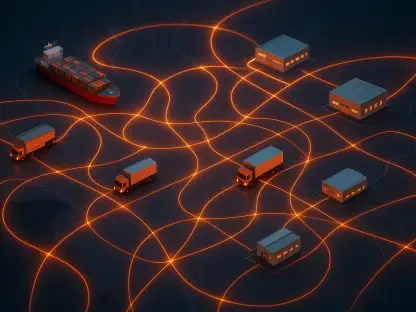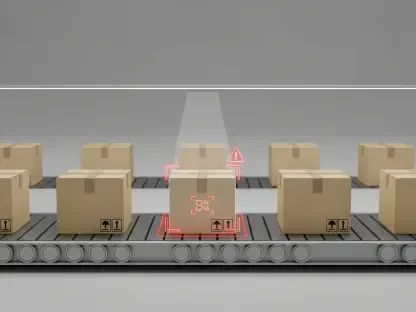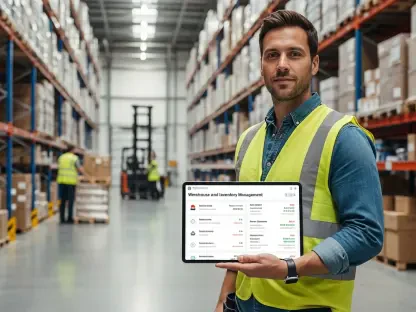

Logistics is projected to reach $18 trillion by 2030 , yet margins and service levels remain exposed to supply chain shocks, policy shifts, and rising cost pressures. The just-in-time playbook that defined the last decade is no longer sufficient. Operations leaders now need risk-adjusted networks

Supply chain managers frequently face the expensive dilemma of shipping cargo that is too large for traditional parcel or less-than-truckload carriers but not substantial enough to justify the cost of a dedicated full truckload. This middle-ground inventory often results in businesses paying for
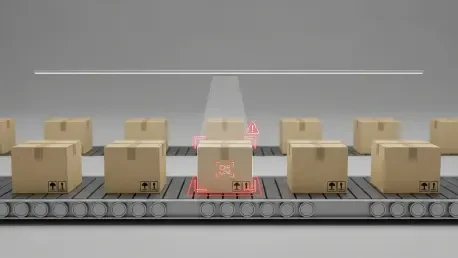
The promise of AI in logistics often overshadows its most critical dependency: data. Companies invest millions in AI platforms to optimize routes, predict demand, and automate warehouses, only to see projects stall. The problem is rarely the algorithm. It is the fuel it runs on. Raw operational

The logistics industry is projected to grow at an annual rate of 9.1% by 2030. One major driver of this growth is the rise of e-commerce, which has reshaped consumer expectations, creating an urgent demand for faster, more flexible delivery networks that many companies struggle to handle on their

For many years now, "supply chain resilience" has led as the ultimate buzzword in logistics circles: universally praised, rarely implemented with any significant sense of conviction. The lack of balance came to the surface recently, with the chaos and disruption overtaking the business world and

Americans have sent 46 billion envelopes in the last year, but that is far from enough to save USPS from going under. The movement to privatize the U.S. Postal Service carries implications that extend well beyond Capitol Hill. Transforming a public utility into a profit-driven enterprise would