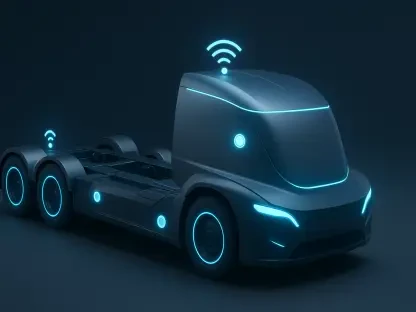

Orchestrating pharmaceutical delivery through crowdsourced carriers requires a robust framework that can verify identity while strictly adhering to international health regulations. The final stage of the pharmaceutical supply chain, commonly referred to as the last-mile delivery, remains one of

The New Era of Flexible Automation in American Warehousing The rapid convergence of artificial intelligence and physical automation is currently dismantling the traditional barriers that once limited the efficiency of American distribution centers. At the forefront of this industrial shift is Vecna

To support the massive computational demands of training large-scale AI models, JD Cloud is building a dedicated infrastructure focused on high-performance embodied-AI workloads. This initiative marks a pivotal shift in how global supply chains operate, moving beyond simple automation toward a

U.S. Customs and Border Protection launched the C-TPAT initiative shortly after the attacks to grant expedited processing to companies with certified secure supply chains. This move marked the beginning of a transformation in how global commerce operates, shifting the focus from pure logistics
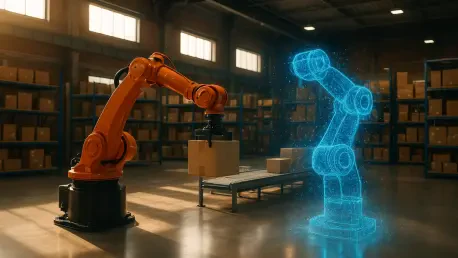
The massive friction between the hyper-speed evolution of digital algorithms and the agonizingly slow pace of physical hardware development remains the most significant barrier to the next industrial revolution. While generative models iterate in seconds, the machines they control remain stuck in
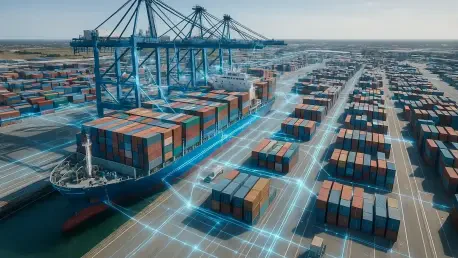
A massive container ship glides into a berth controlled by autonomous machinery, yet the trucks waiting to receive its cargo are idling in a line that stretches several miles into the city. The global shipping industry currently faces a baffling contradiction where autonomous cranes and advanced
1 2 3 4 5 6 7 8 9 10 11 12 13 14 15 16 17 18 19 20 21 22 23 24 25 26 27 28 29 30 31 32 33 34 35 36 37 38 39 40 41 42 43 44 45 46 47 48 49 50 51 52 53 54