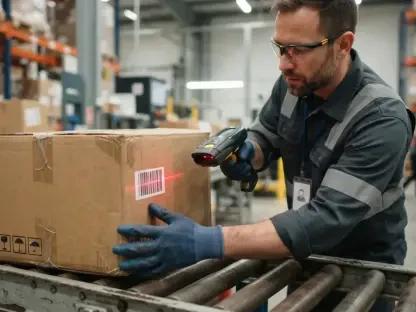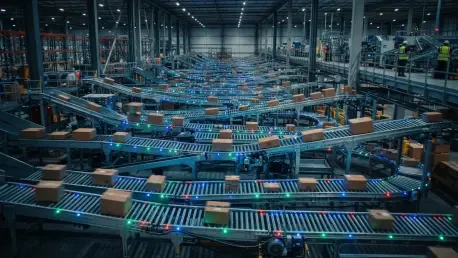

In the high-stakes environment of a modern fulfillment center, a single seizing roller worth fifty dollars can trigger a cascading failure that halts millions of dollars in throughput within minutes. This vulnerability has forced a paradigm shift in how industrial reliability is managed in 2026. Waites Conveyance represents a significant advancement in the logistics and distribution sectors by moving beyond simple monitoring into the realm of proactive asset management. This review explores the evolution of the technology, its key features, and the strategic impact it has on high-volume supply chains.
Overview of Waites Conveyance Technology
Waites Conveyance is a specialized condition monitoring solution designed to eliminate unplanned downtime in environments that rely heavily on complex conveyor systems. At its core, the technology operates on the principle of predictive maintenance, shifting the focus from reactive “break-fix” cycles to early fault detection. By monitoring the health of mechanical components such as rollers and bearings, the system prevents minor hardware failures from escalating into costly operational shutdowns. In the broader technological landscape, this represents a move toward high-density sensor networks that integrate machine learning with human expertise to manage vast industrial infrastructures.
Core Components and Technical Features
The SV5 and SM7 Sensor Hardware
The hardware foundation consists of specialized sensors tailored for different mechanical environments. The SV5 is a tethered, ultra-compact sensor measuring only 0.53 inches, allowing it to be installed in the extremely confined spaces often found in enclosed machinery. Complementing this is the SM7 wireless sensor, which provides triaxial vibration and temperature monitoring. These sensors are built to withstand the rigors of high-volume material handling facilities while maintaining high data precision, ensuring that the subtle signs of mechanical fatigue are captured before they manifest as audible noise or total failure.
ImpactVUE: Ultrasonic Detection and Data Analysis
A standout feature of the system is the ImpactVUE® ultrasonic detection capability integrated into the SM7 sensors. This technology is specifically designed to identify early-stage lubrication issues and bearing wear that standard vibration analysis might miss. While the data is processed through proprietary machine learning models, the system distinguishes itself through a human-centric analysis model. Certified vibration analysts review the data to provide maintenance teams with prioritized, actionable recommendations rather than overwhelming them with raw data or false alarms. This hybrid approach ensures that artificial intelligence is tempered by the contextual judgment of human specialists.
Industry Trends and Strategic Shifts
The emergence of Waites Conveyance reflects a broader industry trend toward “Maintenance 4.0,” where data-driven insights become the standard for supply chain reliability. There is a growing shift in the logistics sector toward outsourcing technical diagnostics to expert remote teams to compensate for the shortage of on-site mechanical specialists. Furthermore, the trend of massive-scale deployment—where a single site may utilize tens of thousands of sensors—is becoming the new benchmark for comprehensive facility protection in the distribution and fulfillment space.
Real-World Applications in Logistics and Distribution
Waites Conveyance is primarily deployed in high-capacity material handling facilities and third-party logistics centers. Notable implementations include a major fulfillment operator that utilized nearly 10,000 sensors across seven different sites. This application demonstrated the technology’s ability to protect hundreds of operational hours and save millions of dollars in potential downtime costs. The system’s scalability allows it to be used across diverse equipment types, from standard belt conveyors to high-speed sorters, ensuring that the flow of goods remains uninterrupted across the national supply chain.
Challenges and Implementation Obstacles
Despite its efficacy, the technology faces challenges related to the sheer scale of installation and the initial integration into legacy mechanical systems. Deploying thousands of sensors across a vast facility requires meticulous planning to ensure optimal placement for every critical failure point. Additionally, organizations must bridge the gap between receiving digital insights and executing physical repairs, which requires a disciplined maintenance culture. Ongoing development efforts continue to focus on making these sensors even smaller and more energy-efficient to further simplify the deployment process in hard-to-reach areas.
Future Outlook for Predictive Conveyance Monitoring
The future of Waites Conveyance points toward even deeper integration with facility-wide warehouse management systems. As machine learning models consume more data from over 400 existing installations, the accuracy of automated fault categorization will likely reach new heights. We can expect future breakthroughs in energy harvesting for wireless sensors, potentially eliminating the need for battery replacements. Long-term, this technology will likely become a standard requirement for any high-value distribution center aiming for “zero-downtime” operational goals.
Summary and Final Assessment
Waites Conveyance proved to be a transformative tool for the logistics and fulfillment industry, successfully bridging the gap between sophisticated data collection and practical maintenance. By combining specialized hardware like the SM7 sensor with expert human analysis, it provided a reliable safeguard against the mechanical failures that threatened supply chain efficiency. With a documented return on investment and a clear path for future technological evolution, it stood as a leading solution for organizations looking to modernize their maintenance strategies. Looking ahead, facilities should prioritize the integration of these diagnostic insights directly into automated work-order systems to further minimize the response time between detection and repair. Moving toward a model of total system transparency, the next logical step involved leveraging this granular data to optimize conveyor speeds and load distributions dynamically. This approach not only prevented failure but also extended the total lifecycle of the mechanical assets involved.