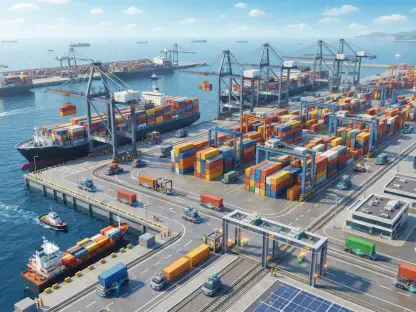

Strategic delays in fee enforcement highlight the ongoing tension between protective domestic industrial policies and the necessity of maintaining stable global trade routes. As of late 2026, the Office of the United States Trade Representative has officially proposed a strategic extension of the current suspension regarding port fees for Chinese-affiliated vessels. This adjustment effectively moves the expiration date from November 9, 2026, to January 9, 2027, creating a vital administrative cushion for all parties involved. The primary objective of this two-month extension is to provide a necessary diplomatic window for Washington and Beijing to negotiate long-standing disputes regarding global maritime logistics and shipbuilding dominance. These discussions are set against a backdrop of China’s state-supported maritime policies, which have led to significant technological breakthroughs and a rapid expansion of their global merchant fleet, challenging traditional Western naval commerce models.
Navigating the Complexities of Maritime Industrial Policy
Strategic Recalibration: The 2025 Trade Framework
The proposed extension is a direct byproduct of the broader trade framework established between the American and Chinese administrations back in 2025. While the trade representative has opened a brief period for public consultation to ensure the policy reflects the needs of the business community, the overarching trend suggests a cautious approach to international relations. By delaying the fee implementation, the government offers temporary relief to businesses currently navigating a complex economic landscape. Nevertheless, the long-term status of these fees remains quite uncertain, as any permanent resolution hinges on the success of bilateral negotiations following the January 2027 deadline. This move underscores the ongoing tension between protective domestic industrial policies and the practical necessity of maintaining stable trade routes across the Pacific, especially as manufacturing demands continue to fluctuate in the current fiscal quarter.
Economic Repercussions: Evaluating the Cost of Compliance
Historically, these port fees—ranging from $18 per ton to $120 per container—were designed to level the playing field by penalizing foreign-built ships and incentivizing the revitalization of domestic shipyards. The original regulation even allowed for fee exemptions if carriers commissioned new vessels from American shipyards, a move intended to stimulate local industrial growth and technological innovation. However, this policy has faced significant pushback from various trade associations and industry stakeholders across the country. These groups have warned that imposing such substantial financial penalties could destabilize transpacific supply chains, leading to increased operating costs and volatile shipping capacity for companies dependent on ocean transport. In an era where efficiency is paramount, the threat of these added costs has forced many logistics firms to reconsider their long-term routing strategies.
Businesses and stakeholders analyzed these developments to prepare for the potential reintegration of fees by early 2027. Decision-makers scrutinized the possible impact on consumer pricing and warehouse management, concluding that early diversification of shipping partners was essential for survival. Many organizations successfully optimized their logistics frameworks by shifting a portion of their cargo to alternative ports or investing in regional distribution hubs to mitigate risk. This period of transition allowed for a comprehensive reassessment of maritime dependencies and fostered a more resilient approach to global trade management. Industry experts recommended that companies maintain flexible procurement strategies to adapt to any sudden shifts in the regulatory environment. By prioritizing transparency and long-term planning, the commercial sector effectively navigated the uncertainties of the trade dispute and secured more stable operational paths.