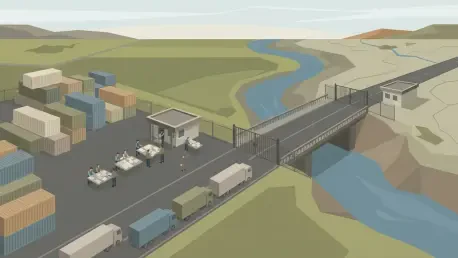

The 33-year blockade intended as a show of solidarity during the First Nagorno-Karabakh War continues to impose a massive financial tax on every transaction in the region. Since April 1993, the physical frontier between Türkiye and Armenia, specifically the crossing points of Margara and Alican, has remained a static monument to regional geopolitical friction. While the Armenian town of Margara is located a mere 30 kilometers from the Turkish border, the two nations have lacked formal diplomatic relations for decades, rendering this physical divide one of the most enduring political barriers in the modern era. In the years following the closure, the border has only flickered to life during moments of extreme humanitarian crisis. Notable exceptions include the passage of relief supplies following the catastrophic 2023 earthquakes and subsequent aid shipments destined for Syria in 2025 and Lebanon in June 2026. Outside of these rare gestures of goodwill, the gates remain locked to standard civilian commerce, forcing all regional trade into a circuitous and expensive journey.
The Financial Burdens of Indirect Trade
The Georgia Transit Hub: Logistical Hurdles
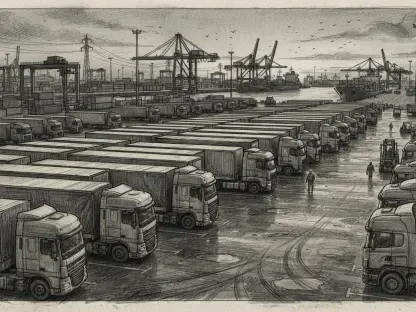
Because direct transit is strictly prohibited, the “detour economy” relies heavily on Georgia as the primary transit corridor for all bilateral trade. Turkish exporters typically ship goods from western industrial hubs like Izmir to Georgia’s Port of Poti, where cargo is transferred to trucks for the final leg of the journey into Armenia. Conversely, Armenian producers targeting the European market must send their fleets north into Georgia before doubling back south through Istanbul. This reliance on third-party infrastructure adds thousands of unnecessary miles to every shipment, inflating fuel costs and depleting vehicle resources. Industry experts estimate that this circuitous route increases the carbon footprint of regional trade while simultaneously reducing the shelf life of perishable agricultural products. For the average small business, the sheer logistical complexity of navigating multiple customs borders within the Caucasus represents a significant barrier to entry that prevents regional market integration.
The Hidden Tax: Administrative and Financial Friction
Beyond the physical distance, the detour economy is defined by significant administrative and financial friction that complicates even basic transactions. For years, Turkish exporters were unable to list Armenia as a final destination on customs declarations, requiring complex re-exporting schemes and the use of intermediaries in third countries. These bureaucratic hurdles not only increased the risk of legal errors but also inflated the final price for consumers on both sides of the border. Financial logistics have been equally sluggish and expensive; while direct international transfers to other continents typically settle in two days, payments routed through the current indirect channels can take up to a week. The involvement of multiple correspondent banks in different jurisdictions adds a layer of fees that further erodes profit margins. Industrial leaders suggest that a direct land route could slash these logistics and transit costs by 40%, potentially unlocking millions of dollars in capital for local development.
Regulatory Breakthroughs and Technological Updates
BILGE Integration: The Digital Recognition of Trade
A landmark shift in regional policy occurred in May 2026 when the Turkish Foreign Ministry integrated Armenia’s country code, “077,” into its national BILGE customs system. This technical update allows Turkish companies to file declarations with Armenia listed as the official destination or origin for the first time in over three decades. While the physical gates at the Margara crossing remain closed to heavy vehicles, this “digital opening” provides a level of transparency and data tracking that was previously impossible to achieve. By formalizing the paperwork of the detour economy, the Turkish government has effectively acknowledged the reality of the existing trade flow, even if the physical infrastructure remains restricted. This administrative recognition is seen by many as a foundational step toward normalization, as it allows for the collection of accurate economic data that will be essential for future diplomatic negotiations and the planning of shared regional infrastructure.
Corporate Responses: Navigating the New Customs Landscape
Turkish businesses display a blend of enthusiasm and skepticism regarding these new administrative pathways and their practical applications. Companies like Seramiksan, a ceramics manufacturer based in Manisa, have already begun utilizing the direct customs declarations to ship products via Georgia, establishing a legal pipeline for their Armenian distributors. Meanwhile, manufacturers of heavy machinery, such as the Izmir-based firm HasGaranti, highlight the absurdity of the current system, where shipping costs through Georgia often rival the total value of the machinery itself. Despite the potential for significant logistical savings, many large-scale firms remain hesitant to commit to long-term contracts until they see more stable diplomatic signals from both governments. This cautious pragmatism is common among small-to-medium enterprises that fear sudden regulatory reversals could leave their shipments stranded in transit, emphasizing the need for more permanent political guarantees.
Strategic Opportunities for Regional Markets
The Mediterranean Link: Armenia as an Industrial Partner
Armenian manufacturers view the Turkish market as a critical source of high-quality raw materials and a vital alternative to traditional northern trade routes. For textile firms like Lentex, Türkiye offers essential supplies of dyes and machinery that have become increasingly difficult to source from other regions due to shifting global alliances. Furthermore, food processors like Art Food see the potential opening of the land border as a gateway to the Turkish Port of Mersin, which would offer a significantly faster and cheaper route to global markets than the current path through the Black Sea. Reciprocally, Türkiye could utilize Armenia as a duty-free entry point into the vast Russian and Central Asian markets via the Eurasian Economic Union. This symbiotic relationship suggests that both nations stand to gain from a specialized trade agreement that leverages Armenia’s unique membership in eastern economic blocs alongside Türkiye’s extensive Mediterranean logistics network.
Economic Projections: The Ten Billion Dollar Vision
Regional chambers of commerce have been vocal advocates for a fully open border, projecting that bilateral trade could quickly reach $10 billion. Leaders in border provinces like Diyarbakir, Kars, and Van argue that revitalized trade would go beyond mere imports and exports, turning the region into a vibrant logistics and tourism hub for the entire Caucasus. The prevailing sentiment among these business advocates is that economic integration serves as a powerful stabilizer for regional peace, suggesting that commercial ties often outpace political reconciliation. By transforming these border regions from “dead ends” into active corridors, both nations could stimulate local job growth and reduce the brain drain that currently plagues their respective rural areas. The potential for joint ventures in energy, tourism, and agriculture is substantial, provided that the physical barriers are replaced with modern infrastructure capable of handling the anticipated surge in commercial vehicle traffic.
Policy Realities and Future Considerations
Bridging the Gap: Moving Beyond the Blockade
Despite recent administrative breakthroughs, a stark divide remains between digital policy and the physical reality on the ground at the frontier. The implementation of the “077” customs code acknowledges the existing flow of goods but does little to remove the physical barricades that have existed since the spring of 1993. The “detour economy” continues to function as a testament to the resilience of commerce in the face of political adversity, even as it serves as a reminder of the immense financial toll extracted by long-term stalemates. For manufacturers and logistics experts on both sides of the border, the current situation is one of frustrated potential, where the tools for trade are available but the path is blocked. The persistence of the blockade continues to force small businesses to pay a “geographic premium” that makes their products less competitive on the global stage, highlighting the urgent need for a transition from technical recognition to the physical opening of the gates.
Strategic Solutions: Building Sustainable Trade Corridors
The regional landscape shifted into a period of strategic transition as the technical groundwork for trade was finally established in 2026. It became clear that for the $10 billion trade corridor to move from a theoretical model to a functional reality, several actionable steps were required. Stakeholders prioritized the physical modernization of the Margara-Alican bridge and the construction of high-capacity customs terminals to facilitate rapid cargo inspections. Moreover, the creation of a binational business council was proposed to mediate trade disputes and foster cross-border investment in the manufacturing sector. Looking ahead, the focus remained on diversifying supply chains and reducing the regional dependence on a single transit country. This proactive strategy suggested that while history initially closed the gates, the necessity of economic survival eventually dictated their reopening. By focusing on shared prosperity, the two nations prepared for a future where commerce served as the primary bridge for lasting stability.