
Strategic partnerships with the Belgian Civil Aviation Authority and food safety regulators ensure that cargo operations meet the highest standards of international compliance. This foundational commitment to excellence has propelled Brussels Airport into the ranks of the world’s most sophisticated logistics environments. Over the past decade, Air Cargo Belgium has successfully transformed from a localized group of stakeholders into a formidable non-profit umbrella organization that represents the diverse interests of over 170 members. By bringing together airlines, freight forwarders, ground handlers, and various logistics providers under a single banner, the organization has fostered a unique spirit of cooperation that is rarely seen in such a competitive industry. Last year, this unified community managed nearly 800,000 tonnes of cargo, a milestone that underscores the strategic importance of the Belgian hub within the broader European supply chain network and highlights the effectiveness of its integrated management approach.
The Collaborative Philosophy: From Competition to Community
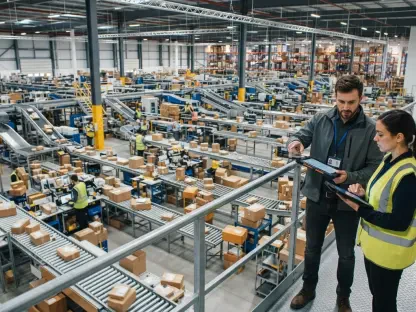
The central philosophy driving this evolution is a belief that collective progress inevitably outweighs individual competition in the long run. Air Cargo Belgium has established a framework where representatives from different sectors of the supply chain sit at the same table to address shared obstacles. This mindset encourages a holistic view of the industry, where projects that primarily benefit one stakeholder, such as ground handlers, are recognized for the trickle-down advantages they provide to truckers and forwarders. By dissolving traditional silos, the organization has created an environment where consensus-based decision-making leads to faster implementation of efficiency measures. This cultural shift has been instrumental in positioning Brussels Airport as a highly adaptable gateway. Instead of separate entities working in isolation, the logistics community now functions as a single ecosystem where information sharing and mutual support are the standard operating procedures for daily business.
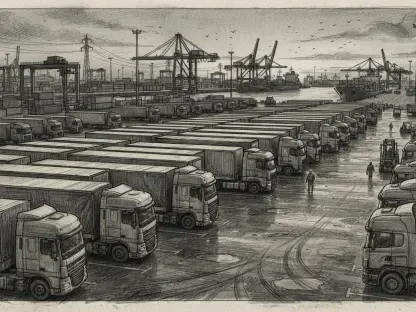
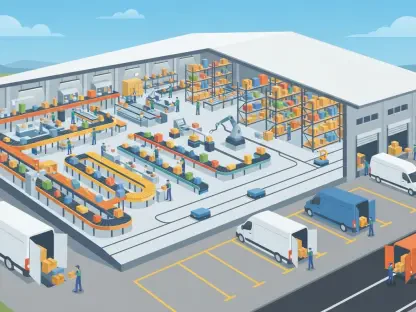
A prime example of this collaborative success is the implementation of the Digital Green Lane on the Brucloud platform. This cloud-based initiative serves as a centralized digital backbone for the airport’s cargo operations, allowing for real-time data exchange and streamlined logistics planning. By utilizing an sophisticated online booking system, the project has drastically reduced truck wait times and modernized landside operations that were previously bogged down by manual paperwork and unpredictable arrival schedules. The success of this digital transformation was not just a matter of technology, but also a feat of change management across dozens of different companies. Stakeholders had to align their internal processes with the community platform, a move that required significant trust and a shared vision of a more efficient future. Today, the Digital Green Lane stands as a global benchmark for how digital tools can be used to synchronize the complex movements of ground transportation and air freight.
Global Logistics Excellence: Specialized Cargo and Future Growth
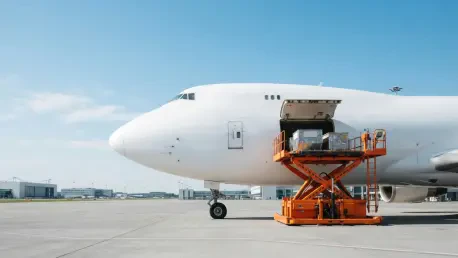
Brussels Airport has established itself as a global leader in specialized logistics by developing world-class infrastructure for both pharmaceutical products and live animals. The expertise gained during the global vaccine rollout solidified its reputation, leading to the creation of the Precision Therapy Logistics Gateway to handle the highly sensitive demands of personalized medicine. Simultaneously, the Animal Care and Inspection Center has centralized the handling of live species, ensuring that welfare standards are strictly maintained during transport. This dual focus on healthcare and ethical animal handling requires a sophisticated blend of temperature-controlled environments and expert regulatory oversight. By integrating these specialized services into a single operational framework, the airport has managed to attract high-value cargo that necessitates the utmost precision. These specialized facilities represent a significant investment in quality that distinguishes the Belgian hub from its regional competitors and serves as a model for modern cargo handling.
The decade of growth for the air cargo community demonstrated that a unified diplomatic front was essential for overcoming regulatory hurdles and expanding international reach. Leaders within the industry prioritized establishing strong ties with customs authorities and global hubs like Shanghai and Hyderabad, which facilitated smoother trade flows and opened new market opportunities. This collaborative approach ensured that the airport remained adaptable to shifting geopolitical dynamics and technological advancements. The industry moved toward implementing standardized data protocols and sustainable operational practices, recognizing that long-term resilience required a commitment to both efficiency and environmental responsibility. By analyzing these achievements, it was clear that the most effective strategy for success was the continued dissolution of logistical silos. Stakeholders were encouraged to invest in shared digital infrastructure to maintain their competitive edge. These actions secured the hub’s position as a premier gateway for global commerce.