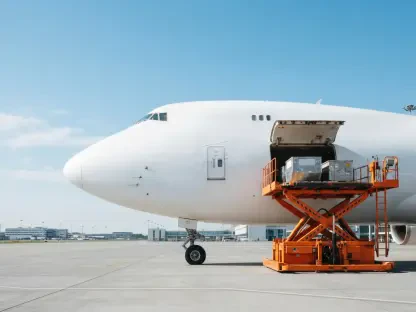

A single delayed pallet of biologics often carries more financial and clinical value than the specialized aircraft transporting it across international borders, making the shift toward predictive intelligence an urgent necessity. In the current logistical landscape, the ability to merely track a shipment is no longer a competitive advantage but a baseline requirement. Pharmaceutical companies are now demanding a transition from retrospective analysis to real-time risk mitigation to ensure that life-saving medications reach patients without a single moment of compromise.
This evolution signifies a broader movement within the healthcare sector to prioritize product integrity over simple transport speed. As cold-chain requirements become more stringent, the cost of failure has escalated beyond the price of the cargo to include the potential for patient harm and regulatory sanctions. Consequently, logistics is being redefined as a proactive science where data acts as the primary shield against environmental volatility.
The Evolution of Pharmaceutical Logistics From Visibility to Intelligence
The global logistics industry is currently witnessing a fundamental pivot from traditional shipment monitoring to advanced intelligence frameworks. In the past, visibility meant knowing where a package was located; today, it entails understanding the condition of the contents and the probability of future disruptions. This shift is particularly critical in the pharmaceutical sector, where temperature-sensitive products like vaccines and gene therapies require uncompromising thermal stability throughout their entire journey.
High stakes in the transportation of medications have forced manufacturers and freight forwarders to rethink their operational models. Technology providers are no longer just offering hardware; they are delivering integrated ecosystems that allow for intervention before a temperature excursion occurs. This transformation is influenced heavily by global healthcare regulations that now place greater emphasis on the total transparency of the supply chain, from the factory floor to the final point of care.
Market players, including global airlines and third-party logistics providers, are investing heavily in infrastructure that supports this intelligent transition. The objective is to create a seamless flow of information that matches the physical movement of goods. By doing so, the industry aims to move away from the “find and fix” mentality toward a “predict and prevent” strategy that safeguards the efficacy of the pharmaceutical products being moved across diverse trade lanes.
Transforming Data Into Foresight Through Predictive Logistics
Emerging Trends in Risk Anticipation and Data Synthesis
The industry is rapidly moving beyond simple status alerts that only notify an operator once a problem has already manifested. Modern predictive modeling now integrates historical route performance data with real-time environmental factors to create a comprehensive risk profile for every active shipment. This approach allows logistics managers to see potential failures hours or even days in advance, providing a window of opportunity for corrective action that was previously unavailable.
Emerging technologies are now capable of analyzing connection reliability at major global cargo hubs by synthesizing past performance with current weather patterns and airport congestion levels. This level of foresight is necessary because consumer and regulatory expectations have shifted toward a guarantee of product efficacy upon delivery. The goal is no longer just to deliver a box, but to deliver a functional medical treatment that has remained within its validated parameters every second of the journey.
Market Projections and the Growth of Decision-Support Systems
Investment in AI-driven supply chain analytics within the life sciences sector has reached unprecedented levels in 2026. This trend is expected to accelerate from 2026 to 2028 as manufacturers shift their spending away from basic tracking hardware and toward sophisticated decision-support software. Data suggests that companies utilizing these platforms are seeing a significant reduction in total product loss, as they can now prioritize shipments based on their actual thermal risk rather than just their arrival time.
The adoption rate of predictive platforms is currently outpacing traditional methods by a considerable margin, reflecting the industry’s need for actionable insights. Forecasts indicate that the integration of data-driven intervention capabilities will become the standard for high-value trade lanes within the next two years. This transition is not just about technology; it is about the economic reality that preventing one lost shipment can pay for the entire analytical infrastructure for a year.
Overcoming the Hurdles of Fragmented Data and Operational Silos
One of the most persistent challenges in achieving predictive maturity is the fragmented nature of the global supply chain. Manufacturers, airlines, and ground handlers often operate on different data standards, which creates silos that hinder the flow of information. To truly anticipate risk, these disparate data streams must be unified into a single source of truth that allows all stakeholders to see the same risk assessment in real time.
Furthermore, the phenomenon of alert fatigue has become a significant obstacle for operational teams who are often overwhelmed by a constant stream of status messages. When a system generates hundreds of notifications, the most critical warnings can easily be lost in the noise. Strategy focus is now shifting toward filtering these signals so that only the most relevant, actionable insights are presented to the decision-makers, thereby improving the speed and quality of the response.
Improving data quality across diverse platforms requires the implementation of standardized communication protocols. The industry is currently working toward a model where every participant in the chain contributes to a shared data pool, ensuring that a delay at a ground handler is immediately reflected in the manufacturer’s risk model. This level of transparency is difficult to achieve but essential for the success of any predictive logistics initiative.
Navigating the Regulatory Landscape and Compliance Standards
Compliance with Good Distribution Practices (GDP) remains the cornerstone of pharmaceutical logistics, and predictive tools are now being designed with these standards as a primary focus. Regulators are increasingly looking for evidence that companies are not just monitoring their shipments but are actively managing the risks associated with them. This means that predictive systems must maintain rigorous audit trails to document why a specific intervention was chosen or initiated.
Documentation becomes even more critical when automated systems suggest or carry out operational changes, such as rerouting a shipment to a temperature-controlled facility. The security measures necessary to protect this sensitive data are also becoming more complex, as the integrity of the information is just as important as the integrity of the physical product. Ensuring that data remains uncorrupted and accessible only to authorized parties is a top priority for IT and compliance departments alike.
As the regulatory landscape evolves, the role of automated systems in maintaining compliance will continue to grow. These systems provide a level of consistency that manual monitoring cannot match, reducing the likelihood of human error during high-pressure situations. However, the final responsibility for product quality remains with the humans who oversee these processes, necessitating a balance between technical automation and expert judgment.
The Future of Autonomous Exception Management and Human Oversight
The trajectory of the industry is moving toward a human-in-the-loop automation model, where technology performs the heavy lifting of data analysis while humans validate and execute the final decisions. This approach allows for the speed of machine learning to be combined with the nuanced understanding of experienced logistics professionals. It ensures that recommendations made by the system are practical, cost-effective, and fully compliant with pharmaceutical handling rules.
Market disruptors are already introducing capabilities such as real-time thermal protection margin calculations, which estimate exactly how much longer a package can stay within its required range. Automated rerouting protocols are also being tested, allowing shipments to be redirected the moment a flight delay is confirmed. These innovations provide a level of agility that was previously impossible, turning the supply chain into a living, responsive entity.
Innovation in machine learning will continue to refine the transparency behind predictive recommendations, helping users understand the “why” behind every suggestion. When an operator understands the reasoning of the AI, they are more likely to trust and act on the information provided. This clarity is essential for building a resilient logistics network that can adapt to the unpredictable nature of global trade and climate variability.
Building a Resilient Supply Chain Through Actionable Insights
The transition from passive observation to a dynamic operational capability established a new benchmark for global logistics performance. Shippers who successfully navigated this shift focused their efforts on mitigating specific high-risk variables, such as excessive dwell times and fragile connection points within their networks. These organizations recognized that the ultimate success of logistical technology was measured by the efficacy of interventions rather than the sheer volume of data collected.
Logistics planners moved away from the goal of total visibility and instead prioritized the quality of their response mechanisms. They identified that having a predictive insight was only valuable if there was a clear, pre-validated pathway to act upon it. This strategic focus allowed pharmaceutical companies to maintain the integrity of their most sensitive products even during periods of significant global disruption.
By 2026, the standard for excellence in the pharmaceutical supply chain was defined by the ability to prevent crises before they occurred. The industry learned that the most resilient chains were those that integrated shared data, human accountability, and proactive planning. As a result, the focus of logistics innovation shifted toward creating a more reliable and transparent environment that ensured the safety of patients worldwide.