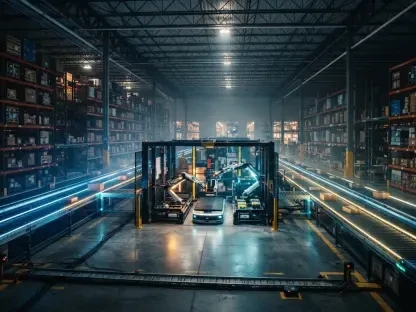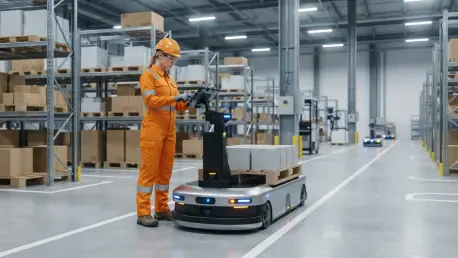

The rapid integration of autonomous mobile robots into the modern supply chain has fundamentally transformed the physical dynamics of the industrial floor, necessitating a radical shift in how we perceive personal protection. As high-tech ecosystems featuring Automated Guided Vehicles (AGVs) and Autonomous Mobile Robots (AMRs) become the baseline for efficiency from 2026 to 2028, the traditional safety playbook is no longer sufficient. These machines operate on high-frequency sensors rather than human intuition, making the relationship between workers and technology more delicate than ever before. Ensuring safety in these environments requires a proactive stance on high-visibility equipment and specialized protocols that bridge the gap between human presence and robotic perception.
Adapting Safety Protocols for the Automated Logistics Frontier
The transition from manual labor to sensor-driven ecosystems has moved at an unprecedented pace, leaving many legacy safety protocols obsolete. While human operators once relied on eye contact and hand signals to navigate the warehouse floor, today’s landscape is dominated by LiDAR, ultrasonic sensors, and complex infrared arrays. This shift demands that safety best practices evolve from simple hazard avoidance to sophisticated risk management. By understanding the technological needs of the machine and the biological needs of the worker, organizations can protect their personnel while maintaining the speed and precision that modern logistics demand.
Safety best practices are now vital because the presence of sensor-driven machines creates a unique environment where human workers and robots share the same physical floor space. This high-density interaction necessitates a rethink of strategic PPE selection and regulatory compliance to ensure that every individual is recognized by the autonomous systems. The goal is to eliminate “blind spots” and ensure that the automation paradox—where more technology can sometimes lead to less awareness—does not compromise the health of the workforce.
The Importance of Evolving Safety Standards in Modern Warehousing
The “automation paradox” represents a significant challenge in the modern warehouse because as machines become more advanced, human workers often become more complacent. Machines lack the visual intuition that a human driver possesses, meaning they cannot predict sudden, erratic movements or recognize a person if their silhouette is obscured by poor lighting or non-compliant clothing. High-quality PPE serves as a critical fail-safe in these scenarios, reducing the high rate of vehicle-related fatalities and ensuring that 24/7 operational continuity is not disrupted by preventable accidents.
Moreover, the cost-efficiency of investing in high-quality, certified gear far outweighs the legal and financial risks associated with workplace accidents. In the current regulatory environment, employers are held to strict standards regarding the protection of all personnel, including limb (b) workers and contractors. A single incident involving a robotic unit and a pedestrian can lead to massive fines, legal battles, and prolonged operational shutdowns. Consequently, following modern safety best practices is not just an ethical obligation but a strategic business decision that protects the bottom line.
Implementing Strategic Safety and PPE Best Practices
Transitioning from traditional safety to high-tech risk management involves a framework that prioritizes the interaction between human biology and machine logic. This process begins with a comprehensive audit of the facility’s specific robotic systems to understand the wavelengths and detection methods they use. By integrating human visibility with machine sensor requirements, operations managers can build a more resilient and predictable workflow where humans and machines coexist without the need for constant manual intervention or restrictive physical barriers.
Actionable steps include the selection of gear that meets the latest international standards and ensures consistent visibility across all lighting conditions. This transition requires moving away from the “one size fits all” approach to PPE and instead adopting a tiered system based on specific zones of risk within the warehouse. By treating safety gear as a technical component of the warehouse’s sensor network, a facility can drastically reduce the margin for error and create a safer, more efficient environment for everyone involved.
Prioritizing High-Visibility Compliance for Robotic Sensors
Adhering to EN ISO 20471 standards is a functional necessity for maintaining human-robot harmony on the warehouse floor. These standards ensure that workers are detectable by infrared and LiDAR sensors that scan the environment at various heights and speeds. Selecting the correct visibility class (1, 2, or 3) is a strategic decision that must be based on the specific traffic density and vehicle speed within a given work zone. For instance, workers in high-traffic zones where AMRs travel at peak speeds require Class 3 garments to provide the maximum surface area of fluorescent fabric and retroreflective tape.
A focus on garment integrity is also essential to prevent “blind spots” where a sensor might fail to trigger an autonomous braking system. When reflective tape becomes dirty, worn, or cracked, its ability to return a light signal to the robot’s sensor is severely diminished. Regular pre-shift checks on hi-vis gear ensure that no worker enters a hazardous area with compromised protection. This proactive maintenance routine prevents sensor failure and ensures that the technological safeguards built into the robotic fleet remain effective at all times.
Applying Role-Coding and Organizational Identification
Role-coding through color-coded workwear serves as an immediate visual language that assists both machines and people in navigating complex logistics hubs. Distinguishing between supervisors, contractors, and visitors through specific hues like navy, orange, or high-visibility yellow prevents unauthorized access to dangerous robotic zones. This organizational identification allows for better traffic management and significantly improves emergency response times, as responders can identify key personnel and first aiders at a glance during a crisis.
When adding corporate logos or branding to these garments, it is vital to maintain the certification of the safety gear. Placing a large, non-reflective logo over a certified reflective strip can render the entire piece of PPE non-compliant, effectively making the worker invisible to certain robotic sensors. In high-density hubs, using color-coded vests has been shown to reduce human-robot congestion by clearly defining the roles and expected paths of different workers. This streamlined approach ensures that even as the floor becomes more crowded, the risk of collision remains low.
Addressing Environmental Challenges and Layering Protocols
Specialized environments like cold storage and low-light hubs require a specific approach to layering to ensure that safety standards are never compromised by the weather. The “outermost layer” protocol is a non-negotiable best practice ensuring that high-visibility material is never hidden by heavy climate-control clothing. In chilled sections, workers often wear heavy, non-reflective parkas that shield them from the cold but also hide them from the sensors of the machines. To solve this, employers must provide specialized thermal hi-vis gear that combines insulation with certified reflective properties.
Maintaining visibility in 24/7 cold chain operations has a direct impact on reducing accidents during late-night shifts when human fatigue is at its highest. When workers are properly equipped with gear designed for both the temperature and the lighting conditions, they remain visible to the autonomous fleet regardless of the environment. This holistic approach to environmental challenges ensures that the safety net remains intact across the entire facility, regardless of the specific conditions in individual zones.
Future-Proofing the Workforce through Advanced Protection
The evaluation of advanced protection strategies demonstrated that high-quality PPE brands like Portwest were essential for maintaining safety in the evolving warehouse. Operations managers who implemented dynamic risk assessments were able to adapt quickly as new robotic systems were introduced to the floor. These measures protected the health of limb (b) workers and full-time staff alike, creating a standardized environment of safety that supported technological growth. By focusing on superior materials and strict compliance, the logistics sector successfully mitigated the dangers of human-robot interaction and established a sustainable model for the coming years.
The transition toward a more integrated, sensor-driven future was successful because it prioritized the safety of the human element alongside the efficiency of the machine. Strategic investments in high-visibility gear and role-coding protocols allowed facilities to maintain peak productivity without increasing the risk profile for individual workers. As warehouse layouts continued to evolve, the adherence to these best practices ensured that every technical advancement was matched by a corresponding improvement in worker protection. The result was a workforce that felt secure and a robotic fleet that operated with maximum reliability and safety.