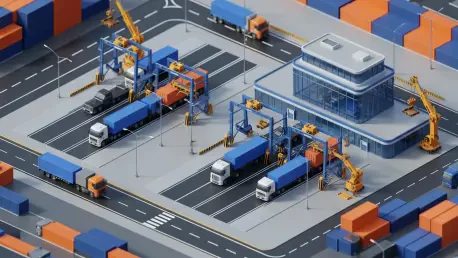
The global maritime industry is currently undergoing a radical transformation as port operators increasingly turn to sophisticated artificial intelligence to resolve chronic bottlenecks that have historically plagued international shipping lanes. This shift is exemplified by the recent strategic
The traditional reliability of global trade routes has dissolved into a state of perpetual uncertainty as extreme weather patterns transform vital waterways into either impassable torrents or parched, shallow basins. This shift represents more than a temporary inconvenience; it is a fundamental

The fundamental shift from pre-programmed robotic arms to machines capable of perceiving and reacting to chaotic environments represents the most significant leap in industrial automation during the current decade. This evolution is driven by Physical AI, a paradigm that merges high-level cognitive
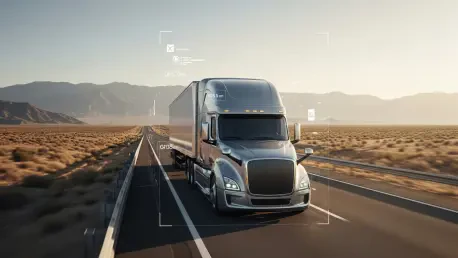
The sheer volume of freight crossing the Mexican border and navigating internal corridors has reached a point where traditional logistics management can no longer keep pace with reality. While the industry spent years investing in basic digitization, the current landscape demands something more

The rapid transition from legacy diesel-dependent fleets to intelligent, zero-emission networks has fundamentally altered how global logistics providers approach every mile of their operations today. In this landscape, fleet managers have transcended their traditional roles as asset coordinators to

A massive fulfillment center might deploy five hundred autonomous mobile robots (AMRs) only to find that the expected twenty-percent efficiency gain never actually materializes because the team lacks a cohesive leadership strategy on the warehouse floor. While corporate boardrooms are eager to