
Stellantis is targeting the high costs of human labor in last-mile delivery by deploying autonomous systems on predictable and repetitive routes. At the IAA Transportation 2026 exhibition in Hanover, the automotive giant unveiled a transformative vision for the commercial sector: the “Box-on-Wheels.” This fully electric, autonomous concept vehicle represents a massive departure from traditional automotive design, prioritizing utility and digital intelligence over human-centric architecture. Developed under the Stellantis Pro One umbrella in collaboration with UQI Robotics, this project is more than just a prototype; it is a functional research platform designed to navigate urban environments and industrial zones without any human intervention. By removing the cabin, the vehicle serves as a direct response to the increasing pressure on logistics companies to improve efficiency and reduce overhead. This initiative signals a future where commercial transport is defined by automated precision and the total optimization of cargo space for diverse urban tasks.
Engineering a Driverless Architecture
Design Evolution: Maximizing Utility Through Space
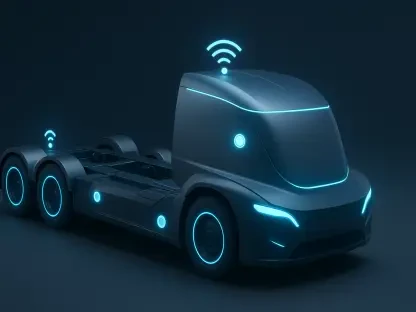
The design philosophy behind this new concept centers on the complete removal of the human element, which allows for a radical reimagining of the vehicle’s internal structure. Unlike conventional autonomous conversions that retrofit existing vans with cameras and sensors, this platform was engineered from the ground up as a purely driverless entity. By eliminating the driver’s cabin, steering wheel, pedals, and seats, Stellantis has effectively freed up nearly 100% of the vehicle’s footprint for cargo. This ground-up approach ensures the vehicle remains compact while maximizing volume, a critical factor for maneuvering through narrow warehouse aisles or congested metropolitan streets. The absence of human-centric controls also simplifies the mechanical layout, allowing engineers to place batteries and electric motors in more efficient configurations that lower the center of gravity and improve overall stability during transport operations.
Furthermore, the removal of the driver’s interface allows the front of the vehicle to be entirely repurposed for advanced sensor suites and thermal management systems for the onboard AI. Without the need for a windshield or a dashboard, the vehicle can utilize its front-facing area for high-performance cooling and 360-degree LIDAR and radar arrays, providing a level of spatial awareness that surpasses human capabilities. This digital intelligence replaces the traditional cabin, allowing the vehicle to function as a mobile, self-aware unit that reacts to environmental changes in milliseconds. The weight reduction achieved by removing human-centric systems also enhances the range of the electric powertrain, making the vehicle more cost-effective for long-term fleet operations. This pure utility approach reflects a broader industry trend toward purpose-built autonomous vehicles that are no longer compromised by the ergonomic and safety requirements of human passengers, focusing solely on efficient cargo movement.
Versatile Logistics: Adapting to Modern Delivery Needs
Modularity serves as a core pillar of this concept, allowing the electric platform to be adapted for a wide variety of commercial and industrial body styles. During the recent showcase, Stellantis demonstrated this versatility by presenting two distinct configurations: an enclosed box and a flatbed version. The enclosed configuration is specifically optimized for the secure transport of parcels and temperature-sensitive items, making it an ideal solution for the burgeoning grocery and pharmaceutical delivery markets. In contrast, the flatbed variant is designed for industrial tasks, such as moving oversized machinery within factories or shipping ports. This flexibility ensures that a single platform can meet the diverse needs of different business sectors, reducing the complexity of fleet management for companies that operate across multiple logistics tiers. This adaptability is key to solving the persistent challenges of the last-mile delivery cycle.
Beyond standard deliveries, the platform’s modular nature allows it to serve specialized roles in sectors such as healthcare and aviation logistics. For example, the vehicle could be programmed to operate on constant shuttle loops between hospital wings, delivering medical supplies and sterile equipment without the need for manual transport. In the context of large-scale aviation operations, the autonomous box could handle the movement of tools or luggage across airport tarmacs, operating on predictable paths where humans are often restricted by safety protocols. By targeting these environments, Stellantis provides a solution for industries where labor costs are high and repetitive routes are common. This approach allows businesses to maintain a constant flow of goods 24 hours a day, effectively removing the scheduling constraints imposed by human work shifts and ensuring that critical supplies are always where they need to be at any given moment.
Technological Synergy and Market Strategy
Artificial Intelligence: The Role of UQI Robotics
The intelligence powering the “Box-on-Wheels” is the result of a strategic partnership with UQI Robotics, a leader in artificial intelligence and autonomous navigation systems. This collaboration bridges the gap between advanced Chinese logistics technology and the stringent regulatory requirements of Western markets, creating a platform that is both globally competitive and locally compliant. UQI Robotics provides the algorithmic brain that allows the vehicle to interpret complex urban data and manage real-time obstacle avoidance. By combining this technical expertise with the manufacturing infrastructure of Stellantis Pro One, the project creates a robust ecosystem for the deployment of autonomous fleets in Western markets. This synergy is vital for navigating the complex legal and infrastructure landscapes that currently exist, providing a reliable pathway for the commercialization of driverless technology.
Moreover, the integration of advanced AI allows for a higher level of fleet-wide coordination than traditional logistics systems can offer. Each vehicle in the fleet communicates with a centralized management hub, sharing real-time data on traffic conditions, road maintenance, and delivery priorities. This allows for the dynamic rerouting of vehicles to avoid delays and the synchronization of multiple units to handle high-volume tasks. The software is also designed to learn from every completed route, continuously refining its parameters to improve efficiency. This data-driven approach transforms the vehicle into an intelligent node within a digital supply chain. As companies look to modernize their operations, the ability to integrate such high-level intelligence into their daily workflows becomes a significant competitive advantage, reducing errors and increasing the overall throughput of their logistics networks.
Strategic Operations: Maintenance and Global Expansion
To ensure maximum operational efficiency, the vehicle is engineered for high uptime and minimal maintenance requirements through a “set and forget” strategy. The electric platform is designed to handle overnight recharging during off-peak hours, allowing fleet managers to take advantage of lower energy rates while ensuring the vehicles are ready for a full day of service. Because the autonomous box operates primarily in predictable environments, the wear on mechanical components is significantly reduced compared to traditional vans. The onboard diagnostics monitor the battery and motors in real-time, providing early warnings of potential issues. By focusing on high reliability, Stellantis aims to provide a platform that functions with consistent output. This proactive maintenance approach is essential for businesses that rely on a constant flow of goods and cannot afford disruptions in their supply chains.
The final analysis of the Hanover exhibition indicated that the shift toward purpose-built autonomous platforms was the most effective strategy for the future of global logistics. Stellantis succeeded in proving that by removing the human cabin and prioritizing a modular architecture, the industry could achieve unprecedented levels of efficiency. Fleet operators recognized that the intersection of digital intelligence and modular design represented the next logical step in commercial mobility. Stakeholders were encouraged to invest in the charging infrastructure and digital hubs required to support autonomous fleets. This proactive approach established a clear roadmap for integrating driverless systems into existing urban supply chains, ensuring that transport remained resilient in the face of rising labor costs. The project ultimately provided the definitive blueprint for a decade defined by the seamless, automated movement of cargo.