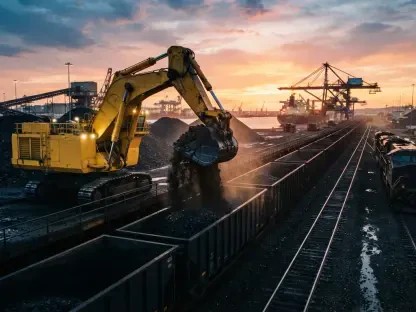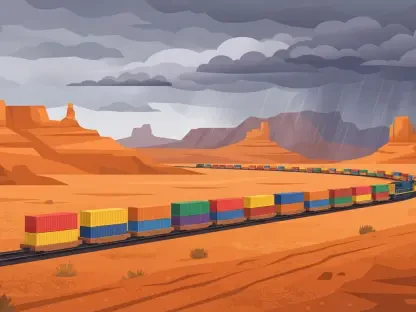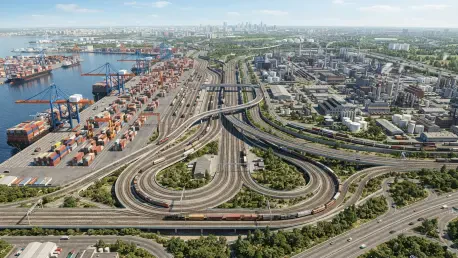

The proposed Development Road project aims to link Iraq’s Grand Faw Port to European markets through an ambitious $25 billion network of rail and energy infrastructure. Turkey is currently undertaking a massive $10 billion overhaul of its existing railway systems to redefine its role in global logistics during this period of significant geopolitical instability. As regional conflicts continue to disrupt traditional trade routes, the Turkish government is aggressively positioning the country as a vital land bridge between the East and the West. By aiming to establish a high-capacity freight corridor by 2031, Turkey seeks to capitalize on its unique geography, transforming itself from a simple transit point into a central international hub that connects China to the heart of Europe. This drive is largely fueled by the decline of established corridors, as the invasion of Ukraine neutralized northern paths, while maritime security threats in the Red Sea made sea-based transit volatile and costly.
Overcoming the Bosporus Bottleneck
The most significant physical hurdle in the Turkish strategic plan involves the efficient transit of goods across the Bosporus Strait, which has long served as a geographical divider. Currently, freight movement is restricted to the Marmaray tunnel, which prioritizes passenger traffic and allows only a handful of cargo trains to pass through each day. To solve this critical issue, the $8 billion Istanbul North Rail Crossing Project was designed to construct a 127-kilometer railway across the Yavuz Sultan Selim Bridge. This initiative is expected to boost annual transcontinental freight capacity from a modest 3 million tons to a staggering 50 million tons, effectively removing one of the primary logistical chokepoints between Asia and Europe. By integrating industrial zones and airports on both sides of the strait, the project creates a high-speed bypass that allows commercial shipments to avoid the congestion of the metropolitan center while maintaining transit speed.
Securing the necessary capital for these massive undertakings involves a sophisticated mix of international partnerships and significant development grants. Major financial institutions, including the World Bank and the Asian Infrastructure Investment Bank, are expected to provide the bulk of the funding for the Bosporus expansion. Meanwhile, the European Union has already contributed hundreds of millions of euros in grants to upgrade rail links specifically toward the Bulgarian border. These investments underscore a global interest in establishing a reliable trade alternative that bypasses sanctioned territories and high-risk maritime zones. Furthermore, the collaboration with the Asian Development Bank indicates a broader recognition of Turkey’s role in stabilizing the global supply chain. This multi-layered financing strategy ensures that the project is not dependent on a single source of revenue, thereby mitigating the economic risks associated with such large-scale construction.
Strategic Integration: The Path Toward Logistics Dominance
Turkey’s strategy extends far beyond a single corridor, as demonstrated by the scale of the Middle Corridor which integrates the Caspian Sea and the South Caucasus into the Turkish rail network. This route offers a land-based path for global commerce, with the government envisioning a 2,000-kilometer network moving 30 million metric tons of cargo annually. Parallel to this, the “Development Road” initiative seeks to create a direct line for goods from the Persian Gulf to Europe via Iraq. Financed through a unique model involving Iraqi oil revenues and Turkish contractors, this project alone could contribute tens of billions of dollars to the national economy while providing a viable alternative to the Suez Canal. The integration of these various routes suggests a multifaceted approach where Turkey becomes the common denominator for several independent but overlapping global trade paths, ensuring resilience against regional disruptions and establishing long-term logistics dominance.
The transition toward a rail-centric logistics model required a comprehensive overhaul of both the physical landscape and the regulatory environment to maintain a competitive edge. Experts identified administrative red tape and inconsistent customs procedures across different borders as the greatest threats to the 14-day delivery goal between China and London. Consequently, the state implemented digital customs synchronization and sought standardized transit agreements with neighboring states to streamline operations. These steps proved essential in ensuring that the physical rail lines were matched by efficient soft infrastructure. Decision-makers also focused on domestic freight shifts, as transitioning the local economy to utilize rail was necessary for the project’s long-term viability. By addressing these bureaucratic bottlenecks, the regional trade network established a foundation for sustainable growth that moved beyond mere infrastructure, providing a blueprint for transcontinental cooperation.