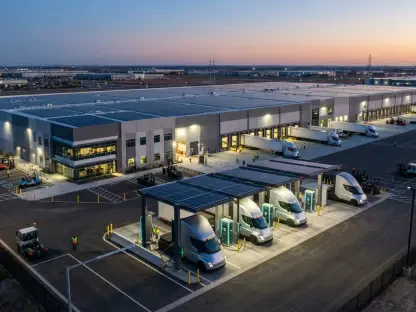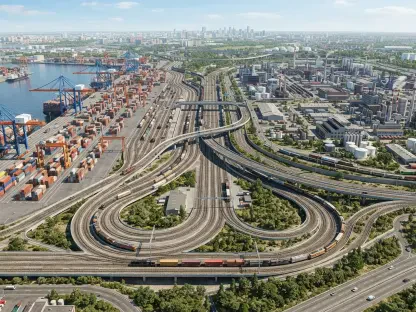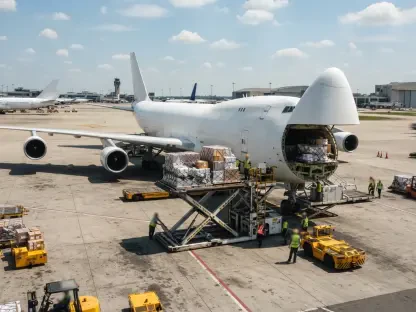

The rapid transformation of India’s industrial corridors has necessitated a massive overhaul of traditional transport systems to ensure that multimodal logistics can keep pace with the nation’s ambitious trade targets. As the domestic economy expands, the integration of road, rail, and sea transport has become the backbone of structural growth, allowing for the seamless movement of goods across vast geographical expanses. This shift is particularly visible in the rising demand for sophisticated supply chain solutions that go beyond simple haulage to include integrated warehousing and specialized cargo handling.
Current macroeconomic trends indicate that the success of large-scale infrastructure projects is heavily dependent on the efficiency of multimodal frameworks. The government’s “Gati Shakti” initiative has provided a regulatory tailwind, encouraging private players to invest in high-capacity assets. Within this environment, mining logistics and dredging services have emerged as critical sub-sectors. These operations require not only specialized heavy equipment but also a robust financial foundation to manage the long lead times and high operational costs associated with port-related infrastructure.
The Indian Multimodal Logistics Landscape and Macroeconomic Significance
India’s logistics sector is currently undergoing a period of intense formalization, moving away from fragmented service providers toward integrated entities capable of managing end-to-end movements. This evolution is driven by the need to reduce logistics costs, which historically remained higher as a percentage of GDP compared to global benchmarks. By leveraging multimodal transportation, companies are now able to optimize route efficiency and reduce the carbon footprint of their operations, aligning with global sustainability standards while maintaining domestic competitiveness.
The importance of dredging and port services cannot be overstated in this context, as they serve as the gateways for international trade. Efficient port operations ensure that the influx of raw materials and the export of finished goods remain fluid. Regulatory frameworks have increasingly focused on enhancing the ease of doing business, providing the necessary clarity for long-term investments in specialized machinery. As a result, the logistics landscape is seeing a surge in public-private collaborations aimed at modernizing aging infrastructure and expanding the capacity of container freight stations.
Strategic Financial Maneuvers and Market Dynamics
Heavy logistics players are increasingly turning to sophisticated financial instruments to fuel their expansion without straining their balance sheets. The recent agreement between Sical Logistics and Tata Capital, involving a ₹91 crore ceiling, exemplifies this trend of strategic capital allocation. By separating the financing into a ₹81 crore equipment lease and a ₹10 crore working capital loan, the company has effectively addressed two distinct financial needs: the acquisition of long-term productive assets and the maintenance of daily liquidity.
This bifurcated approach allows firms to scale their fleet of excavators, tankers, and dredging units while keeping debt-to-equity ratios manageable. The structure of the lease, which spans a 60-month tenure, provides a predictable repayment schedule that aligns with the lifecycle of the machinery. Such maneuvers are becoming standard practice in an industry where the cost of entry is high and the competition for large-scale mining and coal transportation contracts is fierce.
Emerging Trends in Capital-Intensive Logistics Operations
The transition toward lease-to-own models represents a significant shift in how logistics providers view asset ownership. Instead of committing massive amounts of capital upfront, firms are opting for arrangements that allow them to use the equipment while paying for it through the revenue it generates. This model is particularly attractive for heavy machinery used in mining, where technology evolves rapidly and the need for modern, fuel-efficient engines is constant.
Moreover, the integration of telematics and real-time tracking has transformed fleet management into a data-driven discipline. Modern leases often include provisions for maintenance and uptime guarantees, ensuring that the machinery remains operational throughout its lease term. This focus on reliability is essential for maintaining supply chain speed, as even minor delays in asset availability can lead to significant bottlenecks in multimodal transport networks.
Market Projections and Performance Indicators for the Logistics Sector
Growth forecasts for the logistics market from 2026 to 2028 suggest a steady upward trajectory, driven by the expansion of the e-commerce and manufacturing sectors. Key performance indicators, such as revenue per ton-km and fleet utilization rates, have become the primary metrics for evaluating the health of logistics firms. Private sector participation in coal and mineral logistics is expected to rise as the energy sector seeks more efficient ways to transport resources from mines to power plants.
Investment trends are also shifting toward specialized infrastructure, such as temperature-controlled warehouses and modernized container freight stations. As the market matures, the ability to offer integrated logistics solutions will be the primary differentiator between successful firms and those that struggle to compete. Stakeholders are closely watching these developments, as the scalability of operations is now directly linked to the flexibility of a company’s financial arrangements.
Overcoming Structural and Operational Hurdles in Heavy Logistics
Managing high capital expenditure requirements in an environment characterized by volatile interest rates remains one of the most significant challenges for the industry. Logistics providers must balance the need for modern equipment with the cost of financing that equipment, a task that requires careful planning and foresight. Strategies to bridge the “cash gap” between paying for operational inputs and receiving payments from clients are essential for maintaining a healthy cash flow.
Operational complexities, such as equipment depreciation and the rising costs of maintenance, further complicate the financial picture. Addressing labor shortages and fluctuating fuel prices requires a proactive approach to liquidity management, ensuring that the firm can absorb short-term shocks without compromising service quality. By securing flexible financing, companies can navigate these hurdles more effectively, maintaining the agility needed to respond to sudden changes in market demand.
The Regulatory Framework and Compliance Standards in Corporate Financing
Transparency in corporate financing has become a non-negotiable requirement, particularly for public entities governed by SEBI regulations. Adherence to Regulation 30 of the Listing Obligations and Disclosure Requirements ensures that all material events, such as the ₹91 crore deal with Tata Capital, are promptly reported to the exchanges. This level of disclosure builds trust with investors and ensures that the market is fully informed about the company’s financial commitments and strategic direction.
Compliance also extends to ensuring that all financial agreements are conducted at arm’s length, particularly when no related-party interests are involved. This objectivity is crucial for maintaining the integrity of the transaction and ensuring that the terms are competitive. Furthermore, evolving environmental regulations are forcing companies to modernize their fleets to meet stricter emission standards, making the availability of green financing and equipment leases even more critical for long-term viability.
Future Directions: Innovation and Disruption in Global Supply Chains
The industry is standing on the brink of a major technological shift, with the transition toward green logistics and electric heavy-duty vehicles gaining momentum. AI-driven route optimization and autonomous mining equipment are no longer distant concepts but are being integrated into the operations of forward-thinking logistics providers. These innovations have the potential to significantly disrupt traditional supply chains, offering higher efficiency and lower operating costs for those who can afford the initial investment.
Adapting to global economic shifts also requires a high degree of financial flexibility, especially for firms involved in export-import logistics. The ability to scale operations quickly in response to new trade agreements or infrastructure projects is a competitive advantage. As global supply chains become more interconnected, the role of specialized financial partners in providing the capital necessary for innovation will only increase, making strategic alliances a core component of future growth.
Synthesis of Financial Synergy and Long-Term Industry Prospects
The completion of the ₹91 crore arrangement between Sical and Tata Capital demonstrated a sophisticated understanding of how to balance immediate operational needs with long-term asset growth. By utilizing a lease-to-own structure, the company effectively minimized the impact of depreciation while ensuring that its fleet remained modern and capable. This approach proved that bifurcated financing was the most viable path for capital-heavy firms looking to maintain agility in a competitive landscape.
Stakeholders and investors recognized that such strategic partnerships were essential for sustaining growth in the logistics sector. The focus shifted toward actionable steps, such as the further integration of AI for predictive maintenance and the exploration of alternative fuel sources for heavy transport. These insights suggested that future financial health would be determined not just by the size of the deals, but by the efficiency with which capital was converted into operational excellence. Industry leaders concluded that the path forward required a relentless focus on technological adoption and financial transparency.