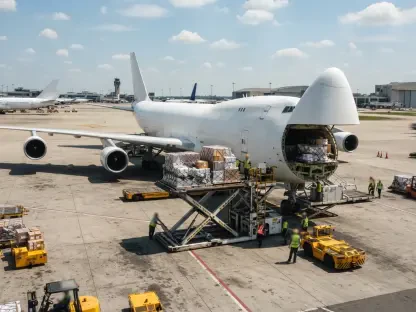

The sleek striped aircraft of Condor are increasingly recognized not just for carrying vacationers to sun-drenched beaches, but for transporting the essential goods that keep the global economy moving through complex international supply chains. This shift toward a professional logistics identity marks a significant departure from the airline’s traditional image as a purely leisure carrier. By streamlining its offerings, the company is responding to a growing demand for transparency and precision in the air freight industry.
A Unified Identity for the Skies: Condor’s Strategic Shift
The transition from fragmented cargo options to a recognizable brand identity represents more than a cosmetic change. By moving beyond the leisure label, the company is establishing a serious foothold in global logistics. This strategic pivot ensures that international freight forwarders no longer face ambiguity when booking space, as the new naming convention provides immediate clarity for every transaction.
Modernizing the brand aligns the cargo division with the high standards of the current logistics landscape. Instead of being perceived as a secondary service, air freight operations are now a core business component. The streamlined identity serves as a promise of reliability, signaling that the carrier is ready to handle international trade with the same dedication as its passenger services.
Maximizing the Belly-Hold: The Evolution of Passenger-Cargo Synergy
Leveraging passenger aircraft for specialized freight revenue is a defining trend in the current aviation industry. While passenger tickets cover many operational costs, belly-hold capacity offers a high-margin opportunity that enhances overall flight profitability. In a market where general cargo alone is often insufficient, offering niche logistics solutions has become the standard for maximizing revenue potential.
Condor’s extensive route network, connecting Europe to the Americas, Africa, and Asia, provides a unique advantage for global supply chains. By utilizing empty space beneath travelers, the airline creates a bridge between markets requiring reliable transport. This synergy allows for the maximization of every flight, turning departures into missions that support both international tourism and global commerce.
The Four Pillars of the New Logistics Framework
The new framework is built upon four service tiers designed to meet the distinct needs of modern shippers. The first pillar, JUSTmove, standardizes the approach to general freight, providing a straightforward solution for non-specialized goods. This tier focuses on simplicity, ensuring that standard shipments move through the network without unnecessary hurdles or complex documentation.
For sensitive commodities, the airline introduced moveCOOL and moveFRESH to address cold chain demands. While moveCOOL provides precise temperature control for pharmaceuticals, moveFRESH optimizes the environment for perishables like fresh food. Additionally, moveFAST continues to support the express shipping segment, catering to time-critical deliveries that require immediate priority.
Leadership Vision and the Road to Systematic Growth
Thilo Schäfer, the Director of Cargo, noted that the structure was designed to tailor services to the evolving requirements of customers. He emphasized that market readability is a critical factor in gaining a competitive edge over traditional carriers. When shippers can easily understand the services available, they are more likely to integrate the airline into their long-term strategies.
These product tiers serve as the foundation for a planned expansion of the cargo portfolio. By establishing a systematic growth model, the company is preparing to introduce more specialized services in the coming years. This proactive approach to market positioning suggests a focus on long-term sustainability and becoming an indispensable partner for freight forwarders worldwide.
Navigating the New Network: Practical Implications for Shippers
Shippers benefit from an integrated ecosystem extending far beyond the airport tarmac. Through a robust road feeder network and interline partnerships, the airline provides comprehensive coverage reaching into regional markets. This connectivity allowed freight forwarders to select the most appropriate service tier based on the specific value and sensitivity of their commodities.
The implementation of these changes on November 1 brought immediate improvements in transparency and operational efficiency. Shippers gained the ability to track high-priority goods with greater precision, reducing the risk of supply chain delays. This move toward a specialized service model established a new benchmark for how passenger-focused airlines could successfully pivot to meet the demanding needs of global logistics.