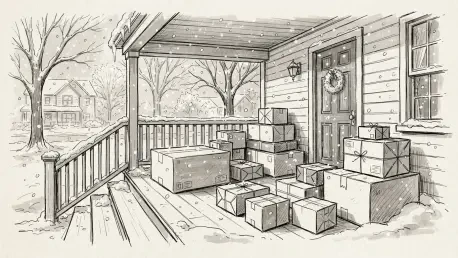

Between October and December, the average American adult expects to receive approximately 28 packages, creating a target-rich environment for opportunistic criminals. This massive seasonal surge in e-commerce activity has effectively transformed front porches across the United States into vulnerable staging grounds for theft. Recent data highlights a staggering national crisis, with approximately 47.7 million citizens reporting at least one instance of property loss to “porch piracy” over the last twelve months. By the beginning of 2026, the financial impact of these crimes reached an estimated $7.7 billion, illustrating an economic drain that has outpaced many traditional law enforcement efforts. The transition into the winter months brings shorter daylight hours and a higher volume of unattended deliveries, providing thieves with the perfect cover to strike repeatedly. Consequently, nearly half of the American population has expressed heightened anxiety regarding the security of their holiday purchases, acknowledging that the convenience of digital shopping carries an inherent risk of front-door vulnerability.
Factors Driving the High Risk in the Commonwealth
Regional Vulnerabilities: Analyzing Per Capita Statistics
While many people might assume that high-population centers like New York or California would lead the nation in package theft, recent 2026 data identifies Kentucky as the state with the highest risk of porch piracy. This ranking is not necessarily determined by the raw number of individual thefts, but rather by a specific risk metric that incorporates reported incidents per capita alongside online search trends related to missing items. A detailed analysis revealed that 12% of surveyed Kentucky residents had experienced a package theft within a single three-month window, which represents the highest percentage recorded in the country. This statistical reality places the Commonwealth ahead of both traditionally high-crime urban areas and isolated remote locations. The prevalence of this issue in Kentucky suggests a systemic vulnerability that local residents must navigate with increased caution. This trend has raised significant questions about why the Bluegrass State has become such a prominent focal point for these opportunistic crimes.
The distinction between raw volume and per capita risk is critical for understanding the landscape of theft in the region. In Kentucky, the combination of residential crime data and consumer behavior creates a unique profile that attracts criminal activity. Many neighborhoods in the state feature homes with direct street visibility and easily accessible porches, which minimizes the physical barriers a thief must overcome to seize a delivery. Furthermore, as online shopping has become the primary method for obtaining household goods, the sheer density of deliveries in suburban and rural Kentucky areas has created a reliable hunting ground for criminals. This high-frequency environment ensures that thieves can find multiple targets within a relatively small geographic area, maximizing their gain while minimizing their time on site. The state’s status as a top target serves as a wake-up call for communities that may have previously felt insulated from urban crime trends, highlighting the need for a shift in how deliveries are managed at the local level.
Local Shopping Patterns: Consumer Anxiety and Behavior
The rapid rise in package theft across Kentucky has significantly influenced how residents approach the holiday season and their general shopping habits. With nearly half of the consumer base expressing concern over the safety of their orders, many have begun to alter their daily routines to accommodate delivery windows. This anxiety is not unfounded, as the cultural reliance on e-commerce for everything from luxury gifts to basic household supplies has made every doorstep a potential point of failure. In Kentucky, where many residents support local non-profits and small businesses through online registries, the theft of a single package can have a ripple effect that impacts more than just the immediate recipient. The psychological weight of this trend is palpable, as homeowners find themselves constantly checking doorbell camera feeds or rushing home from work to retrieve items before they disappear. This constant state of vigilance reflects a broader shift in the social contract of suburban life.
Beyond the emotional toll, the economic implications for Kentucky households are substantial during this period of high e-commerce volume. When a package is stolen, the loss extends beyond the physical item to include the time spent resolving claims and the frustration of missed deadlines for gifts or essential supplies. For many families, the risk of theft has led to a more cautious approach to spending, with some opting for in-person shopping despite the convenience of digital platforms. However, the geographic spread of the state means that online shopping remains a necessity for those living far from major retail hubs. This forced reliance on delivery services creates a persistent vulnerability that porch pirates are eager to exploit. The interaction between consumer necessity and criminal opportunity has made the Commonwealth a primary case study in the challenges of the modern delivery economy. As the 2025–2026 seasons progressed, the need for robust defensive strategies became the central theme for residents looking to protect their hard-earned purchases.
Implementing Effective Security and Prevention Strategies
Technological Deterrents: Real-Time Tracking and Monitoring
In response to the growing epidemic of theft, security experts have emphasized a multi-layered approach that prioritizes technology as the first line of defense. Utilizing sophisticated tracking tools provided by major retailers and shipping carriers is essential for minimizing the “dwell time” of a package—the period it remains unattended on a porch. By opting into real-time delivery notifications, homeowners can receive immediate alerts the moment a courier completes a drop-off. This allows for rapid retrieval, which is the most effective way to eliminate the opportunity for a thief to strike. However, while video doorbells and security cameras have become ubiquitous, data suggests they are often more useful for providing evidence after a crime than for preventing it in the moment. To truly harden a home against porch pirates, consumers are increasingly turning to advanced options such as requiring a signature for all high-value deliveries, ensuring that items are never left in the open without a direct hand-off.
While cameras provide a sense of security, the most effective technological strategies involve proactive measures that remove the package from the line of sight entirely. Smart lock technology and secure delivery boxes are gaining popularity as homeowners look for ways to secure their goods without being physically present. These devices allow delivery drivers to place items in a locked, weather-proof container that can only be accessed by the homeowner. This technology effectively neutralizes the threat of a quick “grab and run” theft, which is the hallmark of most porch piracy incidents. Furthermore, some high-end security systems now integrate with delivery apps to provide temporary access codes to garages or gated areas. By leveraging these digital innovations, Kentucky residents have begun to create a more resilient barrier between their property and opportunistic criminals. The shift toward these integrated systems reflects a broader trend in residential security, where automation and real-time communication are used to close the window of vulnerability.
Alternative Delivery Locations: Community Vigilance and Secure Pickups
Beyond individual technology, community-based solutions have proven to be among the most successful methods for deterring theft in Kentucky neighborhoods. The traditional “neighbor watch” approach remains a powerful tool, as coordinating with trusted individuals to retrieve packages can eliminate the risk for those who are away from home during standard delivery hours. This communal effort fosters a sense of shared responsibility and increases the likelihood that suspicious activity will be noticed and reported. In many Kentucky suburbs, neighborhood social media groups have become vital hubs for sharing information about active thieves or suspicious vehicles in the area. This real-time communication creates a “hardened” environment where criminals feel they are being watched, which is often enough to drive them to look for easier targets. The strength of these informal networks lies in their ability to provide a level of oversight that technology alone cannot replicate, especially in tightly-knit communities.
For those who cannot rely on neighbors, utilizing secure pickup locations has become a standard recommendation for ensuring delivery security. Retailer-provided lockers, which are increasingly found in convenient locations such as grocery stores and gas stations, offer a theft-proof alternative to home delivery. These systems allow consumers to pick up their orders at their convenience, knowing the items are stored behind a secure, code-protected door. Additionally, shipping packages to a workplace or choosing in-store pickup options can completely remove the front porch from the equation. While these methods may require a small sacrifice in convenience, they provide the highest level of assurance that an item will reach its intended owner. For residents in high-risk areas of Kentucky, these alternative delivery strategies have become a necessary component of the online shopping experience. By diversifying how they receive their goods, consumers can significantly reduce their individual risk profile and contribute to a broader decline in regional theft statistics.
Response Protocols and Community Responsibility
Verification Procedures: Taking Immediate Action After a Loss
Despite the best prevention efforts, some residents will still find themselves facing the reality of a missing delivery. The first step in a professional response involves a thorough and systematic verification of the property. Delivery drivers often attempt to shield packages from public view by placing them in obscured locations, such as behind large planters, near side doors, or inside screened-in porches. Before assuming a theft has occurred, homeowners should verify the exact delivery location through the carrier’s digital portal, which often includes a photograph of the package in its final resting place. If the item is confirmed to be missing from its documented location, the next immediate action is to contact both the retailer and the shipping company to initiate a formal claim. Most large corporations have established protocols for handling porch pirate incidents and may offer replacements or refunds if the theft is verified through their internal investigation processes.
Effective communication with the carrier is crucial for identifying potential patterns in delivery failures or recurring theft hotspots. When a resident reports a missing item, the shipping company can investigate whether the driver followed the correct security protocols or if the package was left in an unnecessarily vulnerable spot. This feedback loop is essential for improving delivery standards across the region. Moreover, documenting the incident with clear timelines and any available video evidence will strengthen the consumer’s case when seeking financial restitution. While the process of filing claims can be time-consuming, it is a necessary step in holding the digital economy accountable for the security of the “last mile” of delivery. By being diligent in their follow-up, victims of porch piracy can ensure they receive the support they are entitled to while providing valuable data to the companies responsible for their goods. This systematic approach ensures that the impact of a theft is managed professionally and efficiently.
Strengthening Public Safety: The Importance of Official Reporting
One of the most significant hurdles in addressing the porch piracy crisis is the low rate of formal reporting to local law enforcement. Data indicates that less than 25% of victims currently file a police report after a package is stolen, often because they believe the item’s value is too low to warrant an investigation. However, this lack of reporting severely hinders the ability of the police to identify crime patterns and allocate resources to the neighborhoods that need them most. Filing a formal report, especially when high-quality video footage from doorbell cameras is available, allowed authorities to track the movement of repeat offenders and build stronger cases for prosecution. In Kentucky, where risk levels are high, community-wide reporting was essential for shifting the momentum back toward public safety. When victims took the time to involve the police, they contributed to a larger database of evidence that could eventually lead to the dismantling of organized theft rings.
By the end of the recent holiday season, a clearer picture of the necessity for consumer action had emerged through the collective experiences of Kentucky residents. Those who documented their losses and shared information with their local precincts helped create a more transparent environment where criminal activity was not allowed to go unnoticed. Law enforcement agencies were able to use this data to increase patrols in high-risk zones and issue public safety warnings that were grounded in real-time trends. This transition from passive victimhood to active reporting marked a turning point for many communities. The path forward for the Bluegrass State involved a combination of individual vigilance, technological integration, and a commitment to communal security. Ultimately, the responsibility for curbing porch piracy was shared between the consumer, the retailer, and the authorities. Through a unified approach to reporting and prevention, residents took the necessary steps to protect their property and restore a sense of security to their doorsteps.