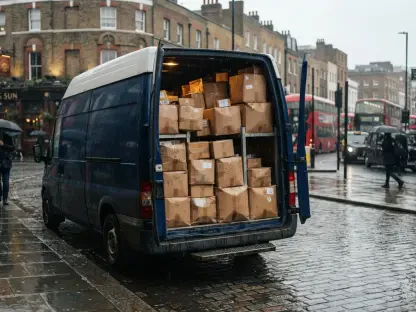

The relentless roar of heavy delivery vans echoing through Budapest’s historic alleyways has finally met its match in a sophisticated network of micro-logistics hubs designed to reclaim the city’s air and silence. As metropolitan areas worldwide grapple with the sheer volume of freight movement, the transition toward decentralized logistics systems has become a necessity rather than a choice. Global freight expansion, fueled by digital marketplaces, has historically placed an immense burden on urban infrastructure, contributing significantly to traffic congestion and the degradation of atmospheric quality. In Budapest, the traditional reliance on large diesel-powered vehicles for inner-city distribution has reached a breaking point, prompting a structural overhaul of how goods are received and distributed within the dense urban core.
The catalyst for this transformation is the LIFE IP HungAIRy project, a comprehensive environmental initiative aimed at elevating Hungarian air quality standards to meet stringent European benchmarks. By focusing on eight key regions, this project addresses the specific pollutants generated by outdated transportation methods. The program recognizes that air quality is not a localized issue but a systemic one that requires integrated planning across multiple municipalities. This year, the focus intensifies on mitigating the impact of nitrogen dioxide and fine particulate matter, which are primarily emitted by idling delivery trucks stuck in the capital’s persistent traffic bottlenecks.
Central to the success of this shift is the deep-seated collaboration between the BKK Centre for Budapest Transport, the Municipality of Budapest, and specialized academic researchers from the Budapest University of Technology and Economics. This partnership bridges the gap between theoretical logistics modeling and the practical realities of urban management. By combining administrative authority with data-driven research, the city has successfully identified the most critical pressure points where freight volume intersects with pedestrian density. This interdisciplinary approach ensures that new logistics nodes are not merely placed where space is available, but where they can provide the maximum reduction in environmental impact.
The scope of city logistics encompasses the entire flow of goods, including the management of vehicles, infrastructure, and information systems within the metropolitan environment. For Budapest, this means a shift in focus toward the terminal stages of the supply chain, which often account for the highest costs and the most significant carbon footprints. Modern logistics must balance the commercial needs of retailers and residents with the social requirement for a liveable city. This involves redefining how public space is used, moving away from a vehicle-centric model toward a system that prioritizes efficiency and low-emission mobility.
Technological advancements and evolving regulatory frameworks are the primary drivers of this transition toward low-emission transport zones. The implementation of smart cameras and automated tolling systems has made it easier to enforce restricted access for high-polluting vehicles. Furthermore, the introduction of municipal loading area reservation platforms allows for the real-time management of curbside space, reducing the time drivers spend circling blocks to find parking. These digital tools, combined with the physical deployment of micro-consolidation centers, create a comprehensive ecosystem that supports the long-term goals of a greener urban landscape.
The Evolution of City Logistics and the Shift Toward Sustainability
The rapid expansion of urban freight is a global phenomenon driven by the decentralization of warehousing and the rise of just-in-time delivery models. As metropolitan populations grow, the demand for essential goods, from food to electronics, places a continuous strain on existing road networks. Historically, cities have attempted to manage this by imposing time-windows for deliveries or restricting heavy vehicle access, but these measures often lead to a higher frequency of smaller, less efficient trips. The current shift toward sustainability requires a more fundamental redesign of the logistics network, focusing on consolidation and the decarbonization of the last-mile segment.
In Budapest, the shift is significantly influenced by the participation in the European Commission’s LIFE Programme, which provides both the funding and the regulatory framework necessary for large-scale environmental projects. The LIFE IP HungAIRy initiative serves as the primary vehicle for implementing air quality plans that are tailored to the unique topographical and meteorological conditions of the Hungarian capital. By treating urban logistics as a pillar of environmental health, the city can justify the conversion of traditional public spaces into specialized green infrastructure. This strategic alignment ensures that logistics improvements are seen as public benefits rather than just private commercial enhancements.
Regulatory influences are also shaping the transition, as the city moves toward the creation of dedicated low-emission zones. These zones serve as testing grounds for new policies that incentivize the use of electric vehicles and human-powered transport. As the municipality strengthens its environmental mandates, logistics providers are forced to innovate, seeking out solutions that allow them to maintain service levels while adhering to stricter emission caps. This pressure has created a fertile ground for the adoption of micro-hubs, which act as the essential link between heavy-duty regional transport and zero-emission local distribution.
Emerging Trends and Market Dynamics in Last-Mile Delivery
Innovation in Micro-Consolidation: Eco-Friendly Transport
The logistics industry is currently witnessing a profound transition from traditional middle-mile operations to green first- and last-mile solutions. This shift is characterized by the use of micro-consolidation centers, which are small-scale facilities located within the city center that allow for the transshipment of goods from large vans to eco-friendly vehicles. By decoupling the heavy transport of goods from the final delivery, cities can drastically reduce the number of large trucks entering narrow residential and commercial streets. This model not only lowers emissions but also increases delivery speed by utilizing vehicles that are better equipped to navigate through traffic and pedestrian areas.
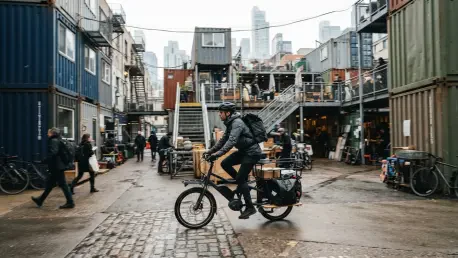
Different infrastructure typologies are being adopted to suit the varying needs of the urban landscape. Fixed MicroHUBs are permanent structures designed for high-volume transshipment and short-term storage, often utilizing repurposed garages or underutilized commercial spaces. In contrast, dynamic MobileHUBs utilize flexible units, such as converted shipping containers, that can be moved to different locations based on seasonal demand or specific events. Automated ParcelHUBs, featuring smart locker systems, cater specifically to the growing volume of e-commerce parcels, providing a contactless and 24/7 delivery option that reduces the need for repeated delivery attempts.
The integration of electric vans, cargo bikes, and autonomous delivery systems is becoming the new standard for urban logistics. Electric cargo bikes, in particular, have proven to be highly efficient in the dense historic core of Budapest, where they can bypass traffic jams and park closer to delivery points than any motorized vehicle. Furthermore, the emergence of autonomous delivery robots and drone corridors is beginning to reshape the possibilities of the urban fabric. These technologies, once considered futuristic, are now being integrated into pilot programs to test their viability in the complex social and physical environment of the city center.
Market Projections and Performance Indicators for Budapest
Current market analysis indicates a high demand for logistics services in Budapest’s central districts, particularly in high-traffic zones like Váci Street and Ferenciek Square. These areas are home to a dense concentration of retail outlets and restaurants that require frequent deliveries, often involving small-volume shipments. Projections for the period from 2026 to 2028 suggest that parcel volumes in these zones will continue to grow as consumer behavior trends further toward online shopping. To meet this demand, the city must ensure that its new micro-hubs have the capacity to handle hundreds of thousands of parcels annually without causing local congestion.
The environmental performance of these hubs is monitored through sophisticated modeling that tracks reductions in nitrogen dioxide and particulate matter. Preliminary data suggests that the implementation of a comprehensive micro-hub network could lead to a significant decrease in pollutant concentrations in the immediate vicinity of the hubs. By replacing dozens of diesel van trips with a few consolidated electric vehicle routes, the city can achieve a noticeable improvement in air quality. These metrics are vital for justifying the continued expansion of the project and for securing additional funding from both public and private sources.
Looking forward, micro-hubs are expected to play a critical role in stabilizing logistics costs amidst fluctuating energy and fuel prices. While the initial investment in green infrastructure and electric fleets is substantial, the operational efficiencies gained through consolidation and shorter delivery routes provide long-term financial benefits. For logistics providers, the ability to avoid congestion charges and access restricted zones through the use of micro-hubs offers a competitive advantage. This economic stability is essential for maintaining the health of the urban economy and ensuring that the cost of sustainable logistics is not passed entirely onto the consumer.
Overcoming Obstacles in Post-Socialist Urban Environments
Navigating the administrative complexity of Budapest requires a nuanced understanding of its two-tier municipal structure. The central municipality and the twenty-three individual districts often have overlapping jurisdictions and differing priorities regarding land use and transportation. For a citywide logistics project to succeed, it must secure the cooperation of district leaders who control local parking regulations and permitting processes. This decentralized governance can lead to delays, but it also allows for logistics solutions to be tailored to the specific needs and character of each district, whether it be a historic residential area or a bustling commercial hub.
The physical constraints of Budapest’s historic city center present significant technical limitations for the deployment of logistics infrastructure. Narrow streets, subterranean utilities, and the presence of heritage buildings restrict the types of vehicles that can be used and the locations where hubs can be established. To address this, planners are increasingly looking toward subterranean spaces, such as pedestrian underpasses and basement level garages, to house micro-hubs. Utilizing these underused spaces allows the city to expand its logistics capacity without encroaching on valuable street-level space or altering the aesthetic of historic facades.
A major point of contention in the development of urban logistics zones is the loss of public parking. Residents and local businesses often view the removal of parking spaces as a negative impact on their quality of life and commercial viability. To balance these interests, the city must demonstrate the clear benefits of dedicated logistics zones, such as reduced traffic noise and improved air quality. By engaging private logistics providers in a collaborative process, the municipality can ensure that the infrastructure is utilized effectively, proving that the trade-off is worthwhile for the community as a whole.
The Regulatory Framework and Institutional Support
Compliance with the European Commission LIFE Programme standards and national air quality plans provides the legal and ethical foundation for Budapest’s logistics transformation. These frameworks set specific targets for emission reductions and require regular reporting on the progress of environmental initiatives. National air quality plans further reinforce these goals by integrating them into broader urban development strategies. This high-level institutional support ensures that the project remains a priority across different political administrations and provides a stable environment for long-term investment in green technology.
The autonomy of local districts significantly impacts the permitting and development phases of logistics infrastructure. Each district has its own set of regulations regarding construction, noise levels, and vehicle access, which can create a complex patchwork of rules for logistics providers to follow. To streamline this, the city is working toward a standardized certification system for urban transport operations. This system would ensure that any provider using the micro-hub network meets certain environmental and safety standards, regardless of the district in which they are operating.
Security and data privacy are paramount in the implementation of automated parcel locker systems. As these lockers become more prevalent in public spaces, the city must ensure that they are equipped with robust security measures to prevent theft and vandalism. Furthermore, the collection and storage of customer data by private logistics firms must comply with stringent European data protection regulations. The role of municipal loading area reservation apps is also critical, as they provide the data necessary to enforce street-side regulations and ensure that only authorized, low-emission vehicles are using the designated logistics zones.
Future Growth Areas and the Path to Scalability
Expansion plans for the Göncz Árpád City Center and other strategic metropolitan nodes represent the next phase of Budapest’s logistics evolution. These areas serve as major transport interchanges where metro, tram, and bus lines converge, making them ideal locations for larger-scale consolidation centers. By integrating logistics hubs into these multi-modal nodes, the city can create a seamless transition between regional freight transport and local delivery. This scalability is essential for creating a truly citywide network that can handle the total volume of urban freight efficiently and sustainably.
The potential for integrating real-time data analytics into the logistics network offers significant opportunities for optimization. By analyzing traffic patterns, energy consumption, and delivery volumes in real-time, operators can adjust their routing and scheduling to maximize efficiency. This data-driven approach allows for the dynamic management of hub capacity, ensuring that facilities do not become congested during peak periods. Furthermore, the use of predictive analytics can help the city anticipate future demand and plan for the expansion of the network before capacity limits are reached.
Looking further ahead, the role of delivery robots and drone corridors is set to become a disruptive force in Central European logistics. While these technologies are currently in the testing phase, their potential to provide zero-emission, automated delivery for small parcels is significant. Adapting the Budapest Analytic Hierarchy Process framework for other regional capitals in the Visegrád Group will facilitate the spread of these innovations across the region. A long-term vision for a zero-emission logistics network by the end of the decade remains the ultimate goal, providing a blueprint for sustainable urban growth in the 21st century.
Strategic Outlook for Budapest’s Logistics Transformation
The comprehensive site selection process and subsequent environmental modeling established a clear pathway for the modernization of Budapest’s freight systems. The research team identified Március 15 Square and Ferenciek Square as the most viable anchors for the pilot phase, providing the necessary data to justify large-scale infrastructure changes. These locations demonstrated a high degree of technical feasibility and significant demand, ensuring that the initial investments yielded measurable results in terms of both operational efficiency and pollutant reduction. The systematic approach to evaluation allowed the city to navigate the competing interests of urban space usage with objective, data-driven evidence.
The researchers provided a strategic framework that balanced the technical requirements of logistics providers with the socio-political realities of a post-socialist metropolitan structure. By utilizing the Analytic Hierarchy Process, the project successfully prioritized sites that offered maximum environmental gain while minimizing the disruption to local parking and pedestrian flow. The collaborative efforts between the BKK, the municipality, and academic experts ensured that the resulting logistics nodes were integrated into the broader transport network of the city. This groundwork was essential for the successful procurement of the physical infrastructure and the development of the supporting digital management systems.
The city implemented a series of recommendations for future investments, focusing on smart infrastructure and the strengthening of public-private partnerships. The pilot project proved that private logistics companies were willing to adapt to new delivery models when provided with the necessary infrastructure and a supportive regulatory environment. These findings suggested that the continued expansion of the micro-hub network would depend on the city’s ability to maintain high standards of security and operational reliability. Furthermore, the integration of real-time data analytics became a cornerstone of the project’s strategy for managing peak-period congestion and optimizing delivery routes.
The initiative served as a vital blueprint for other cities within the Visegrád Group, demonstrating how to achieve sustainable urban growth in complex administrative environments. The results of the Budapest pilot project indicated that micro-consolidation is not only a technical solution for last-mile delivery but also a transformative tool for urban air quality management. By establishing a zero-emission logistics network, the city provided a tangible example of how metropolitan areas could meet their environmental commitments while supporting a thriving e-commerce economy. The lessons learned from the site selection and implementation phases provided the necessary insights for the next generation of urban logistics planning.