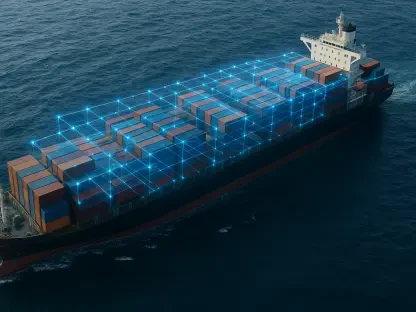

The sheer magnitude of global trade realignment has reached a tipping point where physical scale and digital agility are no longer competing priorities but twin pillars of survival. As markets grapple with the lingering effects of historical supply chain disruptions, the current state of fragmentation has forced a fundamental rethink of corporate strategy. The logistics industry is moving away from a collection of siloed service providers toward integrated ecosystems capable of weathering multi-regional shocks. This transformation is not merely theoretical; it is being written into the balance sheets of the most aggressive players in the sector.
Evidence of this shift is nowhere more apparent than in the 62 major global transactions recorded in August 2026 alone. This volume serves as a high-water mark for industry health, signaling that capital is flowing toward assets that offer long-term stability and operational resilience. A diverse cast of characters is driving this activity, ranging from traditional freight forwarding dynasties to tech-enabled logistics giants and sovereign investors looking for inflation-protected yields. These players are navigating a complex web of international trade regulations and regional policies that increasingly favor cross-border consolidation as a means of securing national economic interests.
The 2026 Logistics Landscape: A New Era of Global Consolidation
The current market environment is defined by a race for geographic dominance and the elimination of middle-tier vulnerabilities. Large-scale operators are realizing that being a regional specialist is no longer enough to satisfy the demands of global clients who require end-to-end visibility. Consequently, the industry is witnessing a “survival of the largest” trend where market fragmentation is rapidly diminishing in favor of a few super-regional hubs. These hubs act as the connective tissue for global trade, bridging the gap between manufacturing centers and consumer markets.
International trade regulations have also evolved into a strategic lever for acquisition strategies. Recent policy shifts have made it advantageous for companies to own the infrastructure in the regions where they operate, rather than relying on third-party partnerships. This has led to a surge in cross-border acquisitions where the primary goal is to bypass regulatory friction and ensure seamless transit through critical trade corridors. Sovereign investors have been particularly active here, viewing logistics as a way to project economic influence beyond their domestic borders.
Strategic Catalysts and Market Performance Metrics
Emerging Trends in Scale, Specialization, and Last-Mile Delivery
The shift from organic growth to aggressive acquisition has become the standard operating procedure for firms looking to secure immediate capacity. Waiting to build out a fleet or a warehouse network is now seen as a liability in a market that moves at the speed of digital commerce. By purchasing established entities, logistics giants are acquiring not just trucks and sheds, but also deep-rooted local expertise and customer relationships that would take decades to develop from scratch. This urgency is particularly visible in high-margin sectors like cold-chain infrastructure and pharmaceutical supply chains.
Evolving consumer behaviors are simultaneously fueling an insatiable demand for sophisticated last-mile delivery solutions. The expectation for rapid fulfillment has moved beyond simple parcel delivery to include complex installations and white-glove services. To keep pace, logistics providers are integrating data-driven brokerage platforms with automated container-handling systems. These technical advantages allow firms to optimize load matching and reduce empty miles, creating a competitive edge that is difficult for smaller, less-equipped rivals to match.
Data-Driven Forecasts and Regional Growth Projections
Europe has emerged as the clear leader in this consolidation wave, claiming a 40.3% share of global deal activity during the recent August surge. This concentration of activity highlights the region’s strategic importance as a gateway for global trade and its relatively mature, yet still consolidating, logistics market. Analysts suggest that the transportation and freight forwarding sectors will continue to see elevated transaction volumes as firms seek to mitigate the risks associated with volatile shipping rates and fluctuating demand.
A forward-looking perspective on valuations reveals a growing premium on hinterland connectivity and intermodal infrastructure. Investors are increasingly looking beyond major ports to the rail lines, dry ports, and inland terminals that connect coastal hubs to the industrial interior. This focus on “hinterland” assets is expected to drive the next wave of investment, as the ability to move goods efficiently from a ship to a final inland destination becomes the ultimate differentiator in supply chain performance.
Navigating Structural Obstacles and Integration Complexities
Merging disparate fleet operations remains one of the most significant hurdles for companies pursuing an acquisition-heavy growth strategy. Harmonizing cross-border labor forces, each with its own set of regulations and cultural expectations, requires a level of management finesse that many firms struggle to achieve. Moreover, the physical integration of different vehicle types and maintenance schedules can lead to short-term operational inefficiencies that eat into the projected synergies of a deal.
Technological hurdles are equally daunting, especially when integrating legacy systems with modern, automated logistics platforms. Many established logistics firms still rely on fragmented software architectures that do not communicate well with AI-driven optimization tools. Bridging this gap is essential for achieving the real-time visibility that modern clients demand. However, the high capital costs associated with these digital overhauls, combined with the expense of managing specialized temperature-controlled assets, can strain even the most robust balance sheets.
The Regulatory Environment and Global Compliance Standards
Competition laws are playing a pivotal role in shaping the current wave of mega-mergers, particularly in the European market. Regulators are increasingly scrutinizing large-scale consolidations to ensure that they do not lead to a monopolization of critical trade routes. This has led to a more nuanced approach to M&A, where companies may be required to divest certain assets as a condition of approval. At the same time, environmental regulations and sustainability mandates are forcing firms to modernize their fleets, making acquisitions of “green” logistics providers a highly attractive prospect.
Security measures and compliance protocols have also tightened, especially for pharmaceutical and healthcare logistics at international transit hubs. The need for end-to-end chain of custody and rigorous temperature monitoring has turned compliance from a back-office function into a strategic necessity. Furthermore, the shift toward private ownership of major ports has introduced new layers of regulatory oversight, as governments seek to maintain control over sovereign-backed infrastructure deals that could have long-term national security implications.
Future Horizons: Innovation and Sovereign Capital Influence
Sovereign wealth funds have transitioned from being passive financial backers to active platform owners who dictate the strategic direction of their assets. This shift has injected a massive amount of patient capital into the industry, allowing for long-term investments in infrastructure that might be too risky for traditional private equity. These funds are particularly interested in disruptive technologies, such as autonomous trucking and AI-driven load matching, which they see as the keys to unlocking future value in their portfolios.
The long-term outlook suggests that logistics assets are being repositioned as a stable, diversified asset class for global investors, comparable to real estate or energy infrastructure. This perception is driving a strategic shift toward building logistics corridors in Central and Eastern Europe, where new economic hubs are emerging. These corridors are expected to serve as the backbone for future trade, providing a reliable and efficient alternative to traditional routes and further diversifying the global supply chain landscape.
Summary of Findings and Strategic Investment Outlook
The data from the 2026 surge demonstrated that the primary drivers of growth were regional scale, technical specialization, and infrastructure resilience. Stakeholders who prioritized the acquisition of automated infrastructure and high-margin specialized services positioned themselves far ahead of those who relied on traditional freight models. The market clearly signaled that the era of the generalist logistics provider ended, replaced by a demand for integrated, tech-heavy solutions capable of managing complex global flows.
Strategic investment outlooks confirmed that the logistics sector moved beyond its role as a mere service industry to become a critical asset for global economic stability. Future growth required a commitment to sustainable fleet modernization and the integration of AI to manage increasingly complex labor and regulatory environments. By focusing on these core areas, market leaders successfully navigated the complexities of the era, turning the challenges of consolidation into a platform for long-term profitability and market dominance.