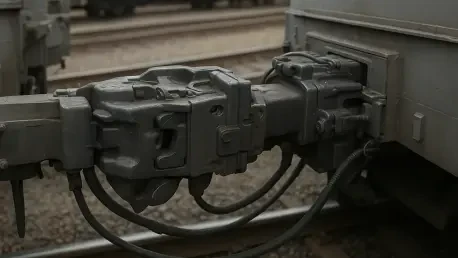

The systematic study of technical and operational bottlenecks by the DAC-FIT consortium will create a roadmap for a continent-wide mechanical conversion. This fundamental shift marks the end of an era where rail freight relied on manual screw coupling, a system that has remained largely unchanged for over a century. By moving toward Digital Automatic Coupling (DAC), the European rail industry is not merely updating its hardware; it is installing the central nervous system for a modern, automated logistics network. Recent demonstrations at locations like the Floridsdorf freight station in Vienna have illustrated the stark contrast between the labor-intensive legacy methods and the swift, automated efficiency of DAC. As the transition gains momentum from 2026 through the end of the decade, the integration of power and data lines across every wagon will allow rail to finally shed its reputation for being a slow, rigid mode of transport. This technological evolution is essential for meeting climate targets and ensuring that rail remains a competitive backbone of the economy.
Transforming Infrastructure: The Impact of Digital Connectivity
DAC is the definitive foundation for the next generation of rail logistics, providing the infrastructure for a continuous flow of electricity and communication signals throughout the entire train set. One of the most transformative elements of this digital link is the introduction of automated brake testing. In the past, workers had to manually inspect every wagon, but the new system allows for a digital verification that takes a fraction of the time, dramatically reducing the dwell period in freight yards. This efficiency is not just about saving minutes; it is about creating a more responsive and reliable service that can meet the just-in-time demands of modern global commerce. By automating these essential safety checks, operators can ensure that trains are ready for departure almost immediately after they are assembled. Furthermore, this connectivity enables advanced fleet management by providing real-time health monitoring for every individual component on the train.
The technical implications of DAC extend far beyond the freight yard, as the technology acts as a critical enabler for advanced signaling systems like the European Train Control System (ETCS) Level 3. By providing constant train integrity monitoring, DAC allows the network to know with absolute certainty that no wagons have become detached, which is a fundamental requirement for moving toward moving-block signaling. This transition allows for much higher track density, effectively increasing the capacity of existing rail corridors without the astronomical costs of laying down new steel. Additionally, the ability to operate longer and significantly heavier trains means that more goods can be transported with fewer locomotives, maximizing the return on investment for railway companies. This shift represents a leap forward in the physical and digital throughput of the continent’s rail network, positioning it as a high-capacity alternative to congested highways.
Building a Resilient Institutional Framework
Securing the future of European rail freight has required a massive injection of capital and a highly coordinated institutional effort. At the center of this financial strategy is the Europe’s Rail FP5-TRANS4M-R project, a massive research and innovation initiative valued at over EUR 95 million. This project unites dozens of industrial and academic partners to refine the digital standards and mechanical designs necessary for a seamless rollout. The European Union has recognized that the success of DAC is not just a technical challenge but an economic necessity, providing nearly half of the required funding to de-risk the transition for private operators. This level of public-private partnership is unprecedented in the rail sector and highlights the strategic importance of digitalizing the freight corridors. By pooling resources and expertise, the consortium has been able to accelerate the development of components that are robust enough to withstand the rigors of heavy industrial use.
As the technology moves closer to wide-scale commercialization, the focus has shifted toward the Pioneer DAC Trains (PioDAC) program, which is designed to test the system under rigorous real-world market conditions. Funded through the Connecting Europe Facility, this program provides the empirical data necessary to convince skeptical stakeholders of the system’s reliability and economic viability. These trials are instrumental in securing the official authorizations required for the technology to operate across international borders without restriction. The transition phase allows engineers to observe how the digital couplers perform over thousands of miles of varied terrain and in the presence of existing legacy equipment. This practical feedback loop is essential for identifying any remaining technical hurdles before the full-scale fleet conversion begins. These programs serve as a bridge between the laboratory and the commercial marketplace, ensuring that the technology is mature enough for universal adoption.
Coordinating an International Implementation Strategy
The inherent nature of rail freight in Europe is international, which makes the synchronization of national policies a prerequisite for any meaningful modernization. With a fleet of approximately 500,000 freight wagons currently operating across the continent, the logistics of retrofitting these vehicles starting from 2026 through 2030 are truly immense. This massive undertaking requires a harmonized schedule to ensure that interoperability is not compromised during the transition. If one nation moves too quickly or another too slowly, it could create technical barriers at the frontiers, effectively stalling international trade. To mitigate this risk, policymakers have been working to establish a clear roadmap that aligns the retrofitting efforts of all member states. This strategic coordination ensures that the technical benefits of DAC are realized uniformly across the European network, preventing the emergence of a two-tier system where only some regions enjoy the advantages of digital operations.
A significant step toward this unified vision was achieved through a joint declaration signed by the transport ministers of Austria, Germany, and Switzerland. This agreement reflects a strong political consensus among the nations at the heart of Europe’s busiest freight corridors, signaling a commitment to a coordinated implementation plan. The declaration calls for the establishment of robust funding mechanisms at the European Union level to support the high costs of the retrofitting process. By aligning their national strategies, these countries have provided the stability and predictability that rail operators need to make long-term investment decisions. This collaborative approach also extends to the development of shared safety standards and operational protocols, which are essential for the smooth movement of digitally-coupled trains across borders. The focus remains on creating a seamless digital environment where the transition from one national network to another is invisible to the logistics customer.
Overcoming Logistical Hurdles and Workforce Shifts
Managing the physical transformation of half a million wagons is the primary responsibility of the DAC-FIT consortium, which has been tasked with analyzing the existing European fleet and the capacity of maintenance workshops. This group performs detailed audits of facilities across multiple countries to ensure that the infrastructure is ready to handle a high volume of complex retrofits. By identifying potential technical and operational bottlenecks early in the process, the consortium can recommend targeted investments in workshop capacity and specialized tools. Their work involves more than just scheduling; it is about ensuring that the engineering capability exists to integrate sensitive electronic components into heavy industrial machinery. This proactive planning is designed to prevent a situation where the rollout is delayed by a lack of qualified facilities or equipment. The consortium’s roadmap provides the logistical framework necessary to execute the conversion without disrupting current rail services.
The successful integration of Digital Automatic Coupling transformed the fundamental nature of European logistics by replacing outdated manual processes with a high-tech digital backbone. This transition not only increased the speed and reliability of rail freight but also significantly improved workplace safety by removing the need for hazardous manual operations between wagons. The rail industry effectively addressed the challenges of a retiring workforce by creating a modern, technology-driven environment that appealed to a new generation of digital natives. Strategic next steps involved the full integration of these digital trains into the broader multi-modal supply chain to maximize efficiency. Future considerations focused on leveraging the real-time data generated by DAC to offer customers granular tracking and advanced logistics planning. By completing this technological leap, the European rail network secured its place as a sustainable and efficient leader in the global transportation market.