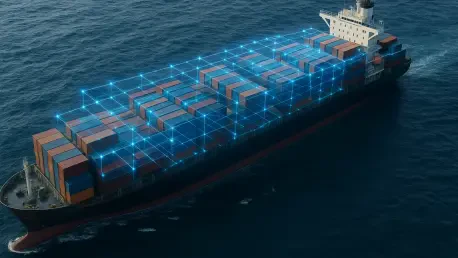

The global trade landscape is undergoing a radical shift as customs agencies demand granular transparency that exposes every link in the logistical chain from raw material to final entry. Supply chain traceability has evolved from rudimentary, paper-based logs to sophisticated, data-driven ecosystems that prioritize real-time visibility. This evolution aligns with recent mandates from U.S. Customs and Border Protection (CBP) following executive enforcement orders issued in June 2026. The objective centers on verifying the legal integrity of trade flows through technological intervention.
Traceability operates on the principle that every transaction and movement must be documented and verifiable. By shifting from reactive audits to proactive monitoring, the technology aims to eliminate blind spots where illicit activities typically occur. This framework provides the necessary infrastructure for customs agencies to ensure that imports comply with national security and labor standards, effectively turning the supply chain into a transparent record of commercial conduct.
Advanced Data Integration: Export Documentation Verification
The mechanics of modern traceability rely heavily on the digitization and reconciliation of foreign export declarations with domestic entry filings. This process involves automated verification systems that scan commercial invoices and packing lists to identify discrepancies in real time. Unlike manual checks, these systems use data triangulation to compare information provided to foreign authorities with what is declared at the U.S. border.
Performance metrics for these systems focus on the accuracy of identifying high-risk shipments before they reach a port of entry. By flagging inconsistencies in weight, value, or product description across different documents, technology reduces the reliance on physical inspections. This capability is essential for managing the sheer volume of global trade while maintaining a high standard of enforcement against fraudulent actors.
Digital Identity: Alternatives to Manufacturer Identification Codes
The traditional Manufacturer Identification Code (MID) has long been criticized for its technical limitations in an era of complex global sourcing. It often provides insufficient data and fails to identify the actual parties of interest early in the entry process. Consequently, the industry is transitioning toward unique entity identifiers that offer a more granular view of the supply chain, including the identification of the end recipients of goods.
Implementing unique identifiers allows for a more robust early-stage risk assessment. Instead of relying on a static code that may represent a shell company, customs officials can track the verified identity of every entity involved in a transaction. This shift enhances the precision of entry processing and ensures that only legitimate businesses participate in the international trade ecosystem.
Geospatial Tracking: Origin Verification Systems
Geospatial tracking employs Internet of Things (IoT) sensors and GPS technology to provide real-time monitoring of shipments as they move across borders. These tools are specifically designed to detect transshipment and country-of-origin masking, where goods are diverted through third countries to hide their true source. By validating physical movements against declared logistical routes, agencies can verify the authenticity of a product’s origin.
The use of such technology is becoming a standard requirement for high-stakes trade corridors. When a shipment’s GPS data shows an unexplained deviation or an unexpected stop in a high-risk region, the system automatically alerts enforcement officers. This level of physical verification acts as a powerful deterrent against those attempting to bypass trade restrictions or tariffs through deceptive routing.
Emerging Trends: Innovations in Trade Visibility
A significant trend in trade enforcement is the shift toward data-heavy models driven by machine learning and predictive analytics. These systems analyze vast datasets to uncover hidden patterns that suggest noncompliance or smuggling. Moreover, there is a growing integration of private-sector visibility solutions into government regulatory frameworks, creating a shared environment for trade transparency.
Industry leaders are increasingly focusing on transparency-by-design to meet aggressive federal enforcement strategies. This approach incorporates traceability features into the initial stages of product development and logistics planning. Furthermore, the depth of required documentation is increasingly influenced by national security designations, requiring importers to provide exhaustive proof of compliance for sensitive categories.
Real-World Applications: Sector Implementations
The deployment of traceability technology is most prominent in import categories subject to stringent national security oversight. These systems help prevent the entry of illicit goods, such as products made with forced labor or counterfeit electronics, thereby ensuring fair competition for domestic businesses. Collaboration between customs agencies and third-party technology providers has become vital for certifying product origins in complex sectors.
Global logistics hubs are also utilizing these tools to streamline legal trade corridors. By pre-clearing shipments that provide complete digital traceability, ports can reduce congestion and improve throughput. This creates a dual-benefit system where high-compliance importers enjoy faster processing times, while enforcement resources are concentrated on shipments that lack transparent documentation.
Challenges: Implementation Obstacles
Despite its benefits, the transition to full traceability faces technical hurdles, particularly in achieving interoperability between disparate international data systems. Different countries often use incompatible standards for digital documentation, making seamless data sharing difficult. Furthermore, the administrative burden on importers can be significant, as they must manage exhaustive documentation requirements for every shipment.
Concerns over data privacy and the protection of proprietary business information also persist. Importers are often hesitant to share granular supply chain data that could expose sensitive trade secrets. Additionally, the high cost of adopting advanced traceability infrastructure presents a market obstacle for small-to-medium enterprises, potentially creating a divide between large corporations and smaller players.
Future Outlook: Long-Term Impact
Technological breakthroughs in distributed ledger systems are anticipated to provide tamper-proof records for global supply chains. These decentralized platforms offer a way to verify every step of a product’s journey without a central point of failure. As enforcement tightens and penalty floors rise, global trade patterns will likely shift toward more transparent and reliable corridors.
The long-term role of artificial intelligence will involve the full automation of customs compliance and risk mitigation. In the coming years, from 2026 to 2030, these systems will likely become the standard for all international trade. The result will be a more resilient global trade environment where transparency is not just a regulatory requirement but a fundamental component of commercial success.
Summary: Final Assessment
The review demonstrated how traceability technology effectively addressed historical loopholes in the global supply chain. It was clear that the shift from manual oversight to automated, data-driven systems provided customs agencies with the tools necessary to enforce trade laws with unprecedented precision. The balance between rigorous enforcement and trade facilitation was maintained through the use of sophisticated data triangulation and real-time geospatial monitoring.
The adoption of unique entity identifiers and the integration of machine learning were seen as essential steps for modernizing border security. Moving forward, businesses were encouraged to view these technological requirements as a means of future-proofing their operations against increasing regulatory scrutiny. The transition to a fully transparent trade environment was deemed inevitable for those wishing to remain competitive in the global market.