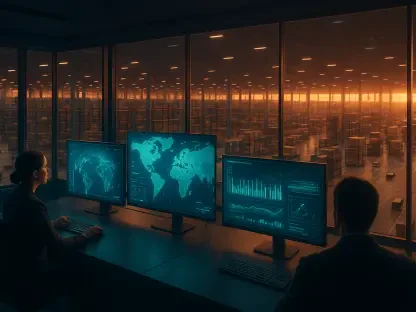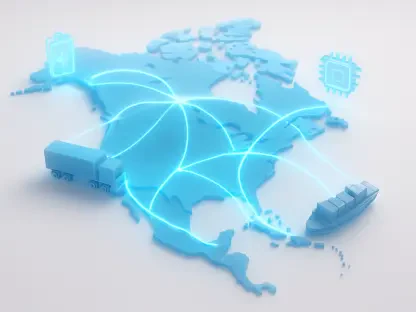

The global maritime industry is currently undergoing a radical transformation as port operators increasingly turn to sophisticated artificial intelligence to resolve chronic bottlenecks that have historically plagued international shipping lanes. This shift is exemplified by the recent strategic alliance between EAIGLE and PortCity, a partnership designed to redefine how logistics hubs manage the movement of goods through automated vision technology. As trade volumes continue to rise in 2026, the traditional methods of manual check-ins and paper-based tracking are becoming obsolete, replaced by a seamless digital ecosystem. EAIGLE, a leader in AI-driven vision solutions, has integrated its specialized software into PortCity’s vast operational network to facilitate a more responsive and intelligent terminal environment. This collaboration represents a significant milestone in port modernization, as it addresses the core challenges of visibility and speed that often disrupt the global supply chain. By merging computer vision with logistics expertise, both entities are setting a new standard for operational excellence in maritime commerce.
Implementing Computer Vision for Enhanced Gate Throughput
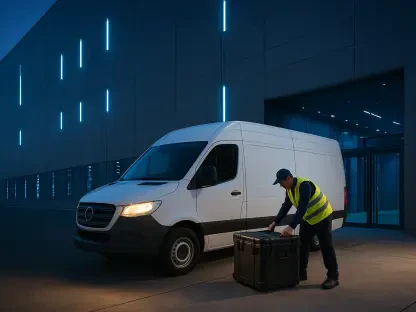
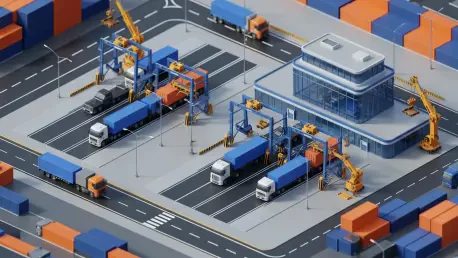
The primary focus of this technological deployment revolves around the automation of terminal gate operations, where specialized AI algorithms process high-resolution video feeds to identify assets instantaneously. By utilizing advanced Optical Character Recognition and object detection, the system can capture container numbers, chassis IDs, and license plates without requiring trucks to come to a full stop for manual verification. This transition toward a free-flow gate model significantly reduces the congestion typically found at the entrance of major logistical hubs. Furthermore, the software is capable of distinguishing between various cargo types and hazardous material placards, ensuring that safety protocols are strictly adhered to while maintaining a high velocity of movement. The integration of this technology allows PortCity to handle a higher volume of traffic without expanding its physical footprint, making it a sustainable solution for high-density urban ports.
Building on the efficiency gained at the gate, the automated data collection feeds directly into the Terminal Operating System, creating a digital twin of the facility’s current state in real-time. This connectivity ensures that the logistics team has an accurate inventory of every asset on-site, allowing for strategic placement and retrieval. When a truck enters, the AI communicates the exact destination to the driver’s device or on-site signage, streamlining navigation within complex yard layouts. This reduces time spent by drivers searching for containers, which lowers fuel consumption and limits wear on port equipment. Additionally, the system provides automated damage inspection through high-speed imaging, documenting container conditions as they pass. This creates a transparent record that protects the terminal and shipping lines from liability disputes regarding structural integrity or cargo damage. The result is a cohesive operational flow that prioritizes speed without compromising on security.
Strategic Integration of Analytics and Future Recommendations
The data harvested by EAIGLE’s vision platform provides more than just immediate operational benefits; it serves as the foundation for sophisticated predictive analytics that help forecast peak traffic periods. By analyzing arrival patterns and vessel schedules, PortCity can now allocate manpower and machinery more effectively, ensuring that resources are available when needed. This proactive approach to labor management helps stabilize operational costs and prevents spikes in terminal dwell time that can ripple through the logistics network. Moreover, the platform offers stakeholders higher transparency, as shipping lines and trucking companies access real-time status updates regarding their cargo. This visibility is crucial for high-value or time-sensitive shipments, such as electronics, where even minor delays have significant financial consequences. The ability to monitor goods with such granularity allows for better synchronization between different modes of transport, facilitating a smoother transition from sea to rail.
The successful integration of AI vision technology at PortCity established a clear roadmap for other logistics hubs seeking to modernize their infrastructure in the coming years. Port operators who observed this transition noted that the most critical phase involved the calibration of the AI models to handle diverse weather conditions and lighting scenarios unique to maritime environments. To achieve similar results, organizations moved toward a phased implementation strategy, starting with automated gate systems before expanding to yard management. They recognized that the value of the technology was not just in the hardware, but in the seamless data exchange between software platforms. Leaders in the field focused on upskilling their workforce to manage these digital tools, shifting human roles from manual data entry to higher-level analytical oversight. This transition ensured that the workforce remained an integral part of the automated ecosystem while benefiting from safer and more efficient working conditions.