U.S. Customs and Border Protection launched the C-TPAT initiative shortly after the attacks to grant expedited processing to companies with certified secure supply chains. This move marked the beginning of a transformation in how global commerce operates, shifting the focus from pure logistics efficiency to risk management. Before these events, international trade focused heavily on minimizing transit times and reducing costs through lean manufacturing. However, the realization that shipping containers could be weaponized forced governments and private enterprises to reconsider the vulnerability of their networks. The resulting framework required businesses to undergo extensive audits and implement physical security measures previously considered unnecessary. This new era of trusted trader programs created a tiered system where security compliance became a prerequisite for entry into the market. As a result, the global supply chain was no longer just a series of transport links.
Policy Shifts
Border Limits
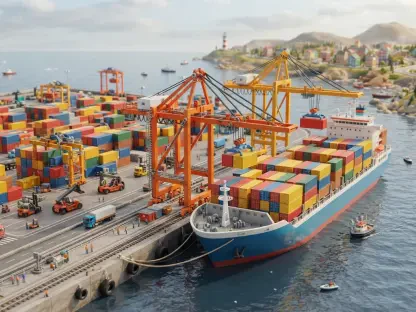
The Container Security Initiative revolutionized maritime safety by pushing the domestic border outward, allowing for the inspection of high-risk cargo at foreign ports before it ever reaches domestic shores. By placing screening equipment and personnel in international hubs, authorities managed to create a multilayered defense strategy that identifies threats at the point of origin. This proactive stance significantly reduced the burden on domestic ports of entry while fostering unprecedented levels of cooperation between international customs agencies. Over time, these bilateral agreements evolved into a web of security protocols that define how goods move between continents. These regulations mandated advanced manifest requirements, forcing shippers to provide detailed data on cargo twenty-four hours before loading. Consequently, the industry saw a move toward transparency, where the identity of every entity in the supply chain—from the manufacturer to the forwarder—must be verified.
Global Rules
Building on these initial regulatory shifts, the implementation of the Authorized Economic Operator programs further standardized security expectations across diverse jurisdictions. These frameworks established a common language for risk assessment, ensuring that a certified company in Europe meets the same stringent criteria as one in Asia. This harmonization has been essential for maintaining the flow of trade in an environment where security threats are constantly evolving. Rather than dealing with a patchwork of localized rules, multinational corporations now navigate a streamlined landscape of mutual recognition agreements. These agreements facilitate smoother border crossings by acknowledging the security credentials of foreign partners, thereby reducing redundant inspections. This systemic alignment has transformed logistics from a series of handoffs into a synchronized operation governed by international law. Such cooperation underscores the necessity of a unified front.
Tech Systems
Data Insights
Modern supply chain security relies heavily on the integration of artificial intelligence to analyze vast amounts of data for potential anomalies. Sophisticated algorithms now scan shipping manifests and historical patterns to flag shipments that deviate from established norms. This transition from manual inspections to data-driven oversight allows security agencies to focus their resources on the most credible threats without disrupting the broader flow of commerce. High-tech non-intrusive inspection equipment, such as advanced X-ray and gamma-ray scanners, provides a clear view of container contents without the need for physical unsealing. This technology has become the backbone of modern port operations, ensuring that high-volume gateways can maintain security without creating massive logistical bottlenecks. The ability to peer through steel in seconds has made it nearly impossible to conceal illicit materials in standard shipping units. Electronic seals ensure integrity.
System Resilience
To remain effective through 2026 and beyond, security strategies emphasized the adoption of decentralized ledger technologies to ensure the immutability of shipping documents. By utilizing blockchain, stakeholders created an unalterable record of a product’s journey, preventing the tampering of manifests or the insertion of fraudulent data. This level of cryptographic security provided a “single version of truth” for all parties involved, from the factory floor to the final delivery point. For organizations looking to future-proof their operations, the focus shifted toward integrating these digital tools with physical security infrastructure. Investing in automated risk management platforms and real-time sensor networks provided the agility to respond to emerging threats. Leaders in the logistics sector were encouraged to move beyond mere compliance and instead view security as a core component of operational resilience. By fostering a culture of transparency, companies succeeded.