
Rohit Laila is a seasoned veteran in the logistics and supply chain sector, known for his deep dive into the intersection of technology and delivery networks. With decades of hands-on experience navigating global disruptions, he provides a unique perspective on the shifting dynamics of the U.S. economy. Today, he joins us to dissect the recent surge in the Logistics Managers’ Index and what it means for the future of global trade.
The Logistics Managers’ Index recently reached 71.1, marking the fastest expansion since early 2022. What specific consumer behaviors are driving this growth despite high inflation, and how are retailers balancing the need to replenish inventory for upcoming holiday seasons against slower job growth?
Consumers are showing a surprising grit right now that defies standard economic cooling. Even with the weight of inflation, the “buy now” mentality hasn’t vanished, and we are seeing a steady flow of goods through the system. The LMI hitting 71.1—up from 69.5 in May—tells us that retailers are feeling a rush of adrenaline and are aggressively filling shelves for the back-to-school season. There’s a palpable sense of urgency in the air as firms navigate the friction between cooling job growth and the heat of consumer demand. Retailers are essentially betting on the consumer’s resilience, choosing to stock up heavily now rather than risk empty shelves during the peak holiday period.
Larger retailers and downstream firms are shifting from defensive inventory management to proactive investment. How does this strategy mitigate risks associated with future tariff increases, and what step-by-step adjustments must supply chain directors make to their procurement timelines to lock in current pricing?
We have moved away from the defensive, “just-in-case” paralysis of previous years into a very calculated, proactive stance. By ramping up inventory levels now, supply chain directors are effectively building a moat against looming tariff hikes and trade policy shifts. It is a race to lock in current pricing before the floor drops out from under them due to new regulations. Step one is pulling procurement timelines forward by several months, ensuring that goods are on the water and through the gates before any hikes take effect. This proactive investment is a strategic chess move designed to safeguard profit margins against the inevitable volatility of global trade.
Warehousing capacity is tightening as utilization and prices continue to climb. What metrics should logistics managers prioritize when evaluating storage efficiency, and can you share an anecdote regarding the trade-offs companies face when warehousing costs begin to outpace their transportation utilization?
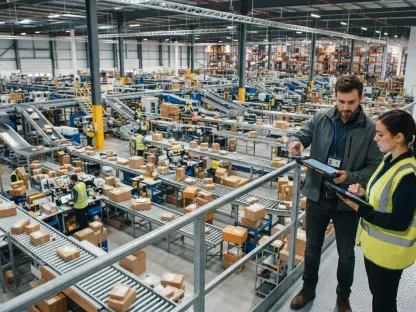
When you walk through a distribution center today, the density is overwhelming—racks are packed to the rafters, and every square inch is accounted for. Managers must prioritize warehousing utilization and pricing metrics because the cost of space is ballooning at an unsustainable rate. I recall a firm that focused solely on filling trucks to save on fuel, only to realize they were drowning in astronomical holding costs for overstock that wasn’t moving. It’s a delicate balance; if your warehousing prices rise faster than your transportation efficiency improves, you’re essentially paying a premium just to let products collect dust. It forces a tough conversation about whether to bleed cash in storage or take a hit on shipping half-empty containers just to keep the flow moving.
Inbound container rates are rising due to persistent demand, putting upward pressure on transportation prices. How do these elevated freight costs eventually trickle down to the average consumer, and what practical steps can firms take to insulate their profit margins from these volatile shipping spikes?
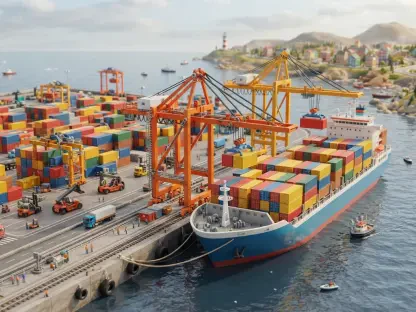
The rising tide of container rates is starting to lap at the feet of the average shopper, as these costs never stay hidden for long. When inbound shipment costs spike, that extra expense eventually shows up on the price tag at the checkout counter, directly impacting household budgets. To insulate themselves, savvy firms are diversifying their carrier base and utilizing real-time data to find windows of lower demand. It feels like a high-stakes game of keep-away with rising costs, where optimizing transportation utilization is the only way to avoid passing the full burden onto the consumer. By acting now, companies can absorb some of those freight shocks and maintain a level of price stability that keeps customers loyal.
While expansion is expected to continue over the next 12 months, limited capacity and trade policy shifts create significant uncertainty. What specific contingency plans should executives implement to handle potential capacity shortages, and how do these strategies differ from those used during previous periods of economic contraction?
Today’s contingency planning is far more tech-driven and granular than the broad cost-cutting measures we saw during previous contractions. Executives are now building “elastic” supply chains that can pivot based on real-time trade policy shifts rather than relying on static annual forecasts. We are seeing a move toward regionalized sourcing and the creation of “buffer stocks” to bypass the bottlenecks that occur when capacity gets tight in traditional hubs. Unlike the past, the focus now is on agility—having the digital infrastructure to reroute cargo in hours, not weeks. It’s about creating a layer of optionality that lets a company breathe and adapt even when the market suddenly constricts.
What is your forecast for the U.S. supply chain over the next year?
My forecast for the U.S. supply chain through 2027 is one of cautious expansion characterized by a “survival of the digital.” We will likely see the LMI stay above the 50-point threshold, but the path will be rocky as trade policies fluctuate and warehousing space remains a premium. Firms that have invested in proactive inventory and advanced tracking will lead the pack, while those lagging in efficiency will feel the burn of rising prices. It’s going to be a year where the ability to see around corners—using predictive analytics and flexible logistics networks—becomes the ultimate competitive advantage in a crowded market.