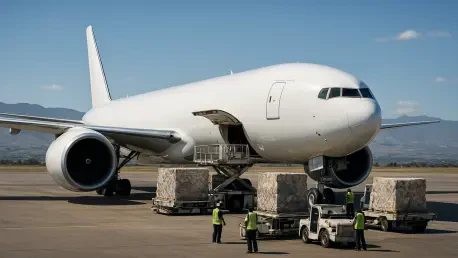

The silent roar of twin-engine giants now echoing across the Rift Valley signals a profound shift in how the African continent maneuvers through the complexities of global trade and industrial distribution. Historically, African logistics suffered from a fragmented network that often necessitated circuitous routes through external hubs in Europe or the Middle East. However, the current landscape is undergoing a radical transformation as regional carriers adopt ultra-modern wide-body freighters. This change is catalyzed by the African Continental Free Trade Area (AfCFTA), which seeks to remove trade barriers and harmonize customs procedures across fifty-four nations. As intra-African trade volumes rise, the demand for a centralized, high-efficiency cargo powerhouse has never been more pressing, placing Ethiopian aviation at the forefront of this economic revolution.
The Current State of African Aviation and the Rise of Addis Ababa
Addis Ababa has successfully established itself as a formidable logistics epicenter, leveraging its unique geographic position to serve as a natural bridge between the Global South and Western markets. As of 2026, the reliance on non-African airlines for the transit of local goods is diminishing, replaced by a sophisticated network of scheduled freighter services that prioritize continental connectivity. This shift is not merely about increasing flight frequencies but about creating a specialized ecosystem where high-value exports, such as horticultural products and textiles, can reach global consumers without the delays of traditional transit points.
The emergence of this centralized hub model is deeply intertwined with the maturation of the Ethiopian aerospace sector, which has invested heavily in infrastructure that supports large-scale cargo operations. By providing a dedicated platform for Sub-Saharan economies to interact directly with international buyers, the regional industry is finally addressing the high cost of logistics that once hampered local business growth. Modern freighters like the Boeing 777-8F are the mechanical heart of this new system, offering the range and reliability required to sustain a modern, high-velocity trade environment.
Navigating the Shift Toward Next-Generation Cargo Operations
Emerging Trends in Ultra-Long-Haul Freight and E-Commerce
The explosion of cross-border e-commerce between Asia and Africa has created a critical need for direct, high-capacity cargo links that bypass traditional bottlenecks. In the current market, digital trade platforms require a level of speed and predictability that older aircraft models simply cannot provide. The adoption of the Boeing 777-8F allows carriers to establish direct Silk Road connections, linking manufacturing centers in China and Vietnam with African retail markets in a single hop. This capability significantly reduces the time-to-market for consumer electronics and apparel, which are the primary drivers of the digital economy on the continent.
Moreover, the shift toward direct long-haul routes is reshaping the competitive landscape of the air freight industry. By eliminating the need for off-loading and re-loading in Middle Eastern transit hubs, African carriers are able to offer more competitive pricing and better protection for sensitive cargo. This directness is particularly valuable for the rising demand in specialized goods, where the integrity of the supply chain is as important as the speed of delivery. As e-commerce continues to penetrate deeper into the African interior, the 777-8F serves as the primary tool for maintaining the momentum of this digital trade corridor.
Market Projections for High-Capacity, Fuel-Efficient Fleets
Current industry forecasts indicate a decisive transition away from older, less efficient tri-engine or quad-engine cargo planes in favor of advanced twin-engine models. From 2026 to 2030, the integration of GE9X engine technology is expected to be a major factor in reducing operational costs for flagship carriers. These engines provide a double-digit improvement in fuel efficiency, which is vital in a region where fuel expenses often constitute a larger percentage of operating costs than in other parts of the world. The 777-8F’s ability to carry more weight over longer distances directly translates into higher ton-kilometer profitability for the airlines that operate them.
The delivery schedules for these next-generation freighters suggest that the total cargo capacity of the African wide-body fleet will grow significantly over the next few years. This expansion is timed to coincide with the full implementation of regional trade agreements, ensuring that the supply of airlift matches the projected demand for export capacity. By modernizing their fleets now, African carriers are insulating themselves against future fuel price volatility and positioning themselves to capture a larger share of the global logistics market.
Overcoming Infrastructure Gaps and Technical Barriers
Operating a high-performance fleet in the African context presents unique challenges, particularly regarding high-altitude airport performance and technical support. Addis Ababa Bole International Airport sits at an elevation that can restrict the takeoff weight of standard aircraft, but the advanced aerodynamics and power of the 777-8F are specifically designed to mitigate these limitations. Strategic investments in runway extensions and improved ground handling systems are being paired with the technical capabilities of the aircraft to ensure that full-payload operations remain feasible year-round, even in thin mountain air.
Furthermore, the expansion of logistics capacity requires a corresponding growth in specialized facilities, such as GDP-certified cold chain terminals for pharmaceuticals and perishables. To bridge the existing infrastructure gap, major hubs are integrating advanced climate-controlled storage that works in tandem with the freighter’s temperature-sensitive cargo holds. This ensures that delicate exports like fresh roses or life-saving vaccines maintain their quality from the warehouse to the final destination. The synergy between high-tech aircraft and modernized ground infrastructure is the only way to realize the full potential of African trade.
Governance, Safety Standards, and Environmental Compliance
The regulatory framework governing African aviation is becoming increasingly aligned with international standards set by the ICAO and the African Airlines Association (AFRAA). For carriers to remain competitive on the global stage, they must adhere to rigorous safety protocols and environmental mandates. The Boeing 777-8F plays a critical role in this compliance strategy, as its 20% reduction in fuel consumption and lower noise profile help airlines meet tightening carbon reduction targets. This environmental efficiency is no longer just a corporate goal but a necessity for maintaining landing rights in European and North American airports.
Compliance also extends to the modernization of customs brokering and aviation security. The integration of advanced cargo tracking systems within the new aircraft fleets allows for more transparent and secure transport of goods. By adopting these high standards, African logistics providers are gaining the trust of international stakeholders, which is essential for attracting foreign direct investment. The combination of sustainable technology and strict regulatory adherence is creating a safer and more predictable environment for global commerce to thrive on the continent.
The Future Landscape: Addis Ababa as a Global Connectivity Hub
The long-term trajectory of the industry points toward a future where Africa serves as a central transit point for global goods rather than a peripheral destination. A key element of this transition is the concept of crew commonality between the 787 and 777X fleets, which revolutionizes the way pilots and technicians are trained. By operating aircraft with similar cockpit designs and maintenance requirements, airlines can drastically reduce training costs and increase the flexibility of their flight operations. This operational efficiency is the foundation upon which a truly global connectivity hub is built.
As cargo operations grow, they are creating a powerful synergy with the passenger transit sector, further solidifying the continent’s standing in the aerospace economy. High-end passenger transit through Addis Ababa benefits from the increased frequency of flights and the improved infrastructure that the cargo boom has financed. This holistic approach ensures that the hub remains viable and profitable, regardless of fluctuations in specific market segments. The continent is no longer just catching up; it is actively setting the pace for how emerging markets can integrate into the global aerospace supply chain.
Redefining Continental Trade Through Technological Excellence
The arrival of the Boeing 777-8F functioned as a catalyst for a broader structural overhaul within the African logistics network. Carriers that prioritized these high-efficiency platforms managed to insulate themselves from the volatility of global energy markets while expanding their reach into untapped secondary cities. The successful integration of these assets was contingent upon the parallel development of digital customs platforms and harmonized regional transit corridors. Industry leaders moved beyond mere transportation to provide integrated supply chain solutions that reduced transit times for essential goods by nearly a third. These advancements established a new benchmark for operational excellence, proving that technological adoption was the most effective remedy for historical connectivity barriers. Consequently, the continent solidified its role as an indispensable pillar of international commerce, ensuring that future growth remained anchored in sustainable and resilient infrastructure.