
The Strategic Pivot: Temu’s Response to a Hardening Global Trade Climate
The meteoric rise of the e-commerce giant Temu has hit a formidable regulatory wall that is forcing a complete reinvention of its once-unstoppable cross-border shipping strategy. As a prominent arm of PDD Holdings, the platform disrupted global retail by providing direct access to Chinese manufacturing at unprecedented price points. However, the operational landscape is shifting as major economies move toward stricter import controls and higher tariffs. To preserve its market share, Temu is undergoing a massive supply chain overhaul, transitioning from a lean model that relied on individual international shipments to a robust, localized logistics powerhouse. This strategic pivot aims to future-proof the business against a rising tide of protectionism that threatens the very foundation of the ultra-low-cost e-commerce sector.
The Era of Duty-Free Dominance: Understanding the De Minimis Foundation
For years, the competitive edge of this digital marketplace was built on the “de minimis” loophole, a regulatory provision allowing low-value packages to enter countries without duties or taxes. By shipping directly from factories to individual consumers, the platform successfully bypassed the costs associated with bulk importing and domestic warehousing. This background is essential to understanding the current crisis; the reliance on a regulatory blind spot created a price advantage that traditional retailers could never replicate. As lawmakers now view these untaxed volumes as a threat to domestic industry, the systematic closing of these loopholes is forcing a fundamental change in how global goods are moved across borders.
Adapting to the End of Borderless Bargains
The Regulatory Hammer: Losing the De Minimis Advantage
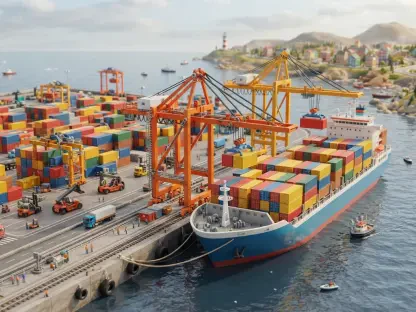
The primary catalyst for this shift is the rapid implementation of aggressive trade barriers in key markets. In May 2025, the United States eliminated duty-free treatment for China-origin imports, and by July 2026, the European Union followed suit by imposing a mandatory 3-euro customs duty on all items valued at 150 euros or less. These changes have immediately inflated fulfillment costs and introduced significant fiscal complexity for merchants who previously operated with minimal overhead. Beyond the direct financial impact, more stringent customs inspections have created shipping bottlenecks that threaten the speed of delivery, effectively forcing PDD Holdings to abandon its total reliance on point-to-point international logistics.
Localization and the Rise of the Regional Merchant
In response to these barriers, the leadership at PDD Holdings is steering the company toward a localized fulfillment strategy. The company is now aggressively onboarding high-quality local merchants within the U.S. and the EU to ensure that goods are already within domestic borders before a customer makes a purchase. This transition represents a total change in identity; the platform is moving away from being a mere window into Chinese factories and is becoming a localized marketplace. By shifting inventory closer to the end-user, the company aims to mitigate the risks of customs delays and provide a delivery experience that is as reliable as traditional domestic e-commerce giants.
Infrastructure Investment and the Burden of Physical Assets
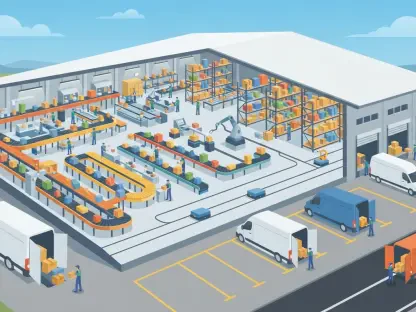
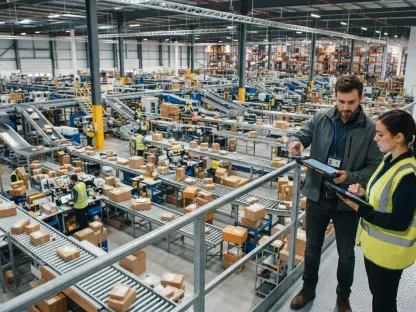
To support this new merchant ecosystem, the parent company is pouring capital into local warehousing and domestic fulfillment centers. While this adds a layer of overhead to what was previously an asset-light model, it provides the necessary infrastructure to handle bulk imports that have already cleared customs in large batches. This move addresses the reality that logistical friction at the border is often more damaging than the taxes themselves. Investing in a domestic logistics network is a survival tactic intended to streamline the supply chain, even if it requires sacrificing the extreme cost-efficiency that defined the early years of the platform.
The Future of Global E-Commerce: Stability Over Spontaneity
The evolution of this supply chain signals a broader trend where low-cost e-commerce must trade agility for long-term stability. A permanent shift is occurring away from the cross-border mentality as other nations consider similar regulatory crackdowns. Industry analysis suggests that while prices may rise slightly to account for localized storage and labor, the resulting improvements in delivery speed could help retain a loyal customer base. However, the economic landscape remains volatile, and the ability to migrate a vast network of suppliers into a localized framework will be the ultimate test of viability in the years from 2026 to 2030.
Strategic Realignment: How Businesses and Consumers Should Respond
The takeaway for the broader industry is that the era of frictionless, duty-free global trade for small parcels is effectively ending. Businesses must prioritize supply chain transparency and consider regionalizing their inventory to avoid the border tax trap. For merchants, this means evaluating the trade-off between low manufacturing costs abroad and the rising logistical costs of reaching Western consumers. Consumers should prepare for a shift in value propositions where the lowest price may no longer be the only factor, as speed and consistency finally begin to align with the expectations set by domestic competitors.
Conclusion: Navigating a Protectionist Reality
The overhaul of the Temu supply chain represented a high-stakes gamble necessitated by a shifting geopolitical landscape. PDD Holdings attempted to transition from a disruptive newcomer into a permanent fixture of the global retail market by investing heavily in domestic infrastructure. While the challenges of higher costs and regulatory scrutiny remained formidable, the pivot highlighted the absolute necessity of adaptability in an increasingly protectionist world. The success of this transition determined whether the low-cost model survived its own maturity or if the end of de minimis marked the conclusion of a unique era in digital trade.