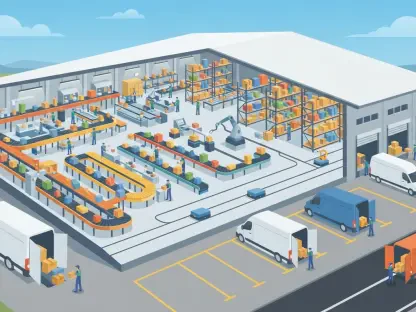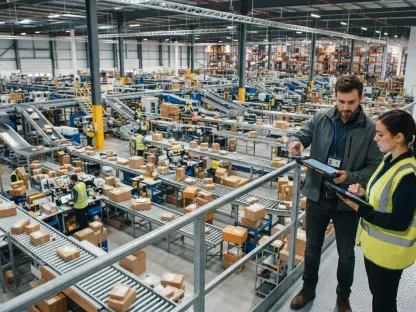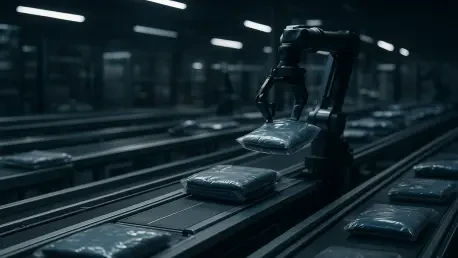

Nuuly is implementing an automated order sortation system in the fourth quarter of 2026 to streamline the movement of apparel through its primary fulfillment centers. This strategic investment represents a pivotal moment for the clothing rental market, which has seen an unprecedented surge in consumer adoption as shoppers seek sustainable alternatives to traditional fast fashion. By utilizing advanced robotics and integrated conveyor networks, the brand is effectively removing the manual bottlenecks that previously slowed the transition of garments from one customer to the next. The secondary fulfillment center in Raymore, Missouri, provides the necessary physical infrastructure to house these complex systems, ensuring the company can keep pace with a subscriber base that is expanding across diverse demographics. As the logistics of circularity become increasingly sophisticated, the ability to process thousands of unique items daily with high accuracy becomes the defining characteristic of a market leader in the fashion industry.
Strategic Infrastructure for the Circular Economy
Optimizing High-Volume Reverse Logistics
Optimizing the reverse logistics cycle is essential for maintaining the profitability of a subscription-based model where inventory must be constantly refreshed. The new sortation system facilitates a rapid intake process, where returned items are immediately identified and routed to specialized stations for cleaning, repair, or restocking. This automated workflow reduces the time a garment spends in limbo, effectively increasing the number of times a single item can be rented within a calendar year. By integrating this technology, the facility handles the intense cognitive load of managing a massive, ever-changing inventory that traditional retail warehouses are not designed to support. Human workers are also empowered by this transition, as they can step away from the repetitive labor of manual sorting and instead focus on high-touch quality control and garment restoration.
The implementation of this technology also addresses the unique challenges of the resale market, which often operates alongside rental services. Every piece of clothing must be meticulously checked for stains, tears, or hardware damage before undergoing a specialized cleaning process that meets stringent hygiene standards. By automating the initial sortation of these returns, the facility can categorize items based on their immediate needs—whether they require dry cleaning, wet washing, or minor repairs—without manual intervention at every step. This systematic approach ensures that high-demand inventory does not sit idle in transit zones, effectively increasing the utilization rate of the entire garment library. Furthermore, the integration of radio-frequency identification tags allows the system to track the exact lifecycle of each item, providing valuable data on durability.
Engineering Labor Efficiency and Accuracy
The physical architecture of the automated sortation system is designed for modularity, allowing it to adapt to changing inventory profiles without requiring a complete overhaul of the warehouse floor. As fashion trends shift and the types of garments offered through the platform evolve, the system can be recalibrated to handle different weights, textures, and packaging requirements. This flexibility is essential in an industry defined by its volatility and seasonal nature. The hardware is complemented by a robust software layer that provides real-time visibility into every corner of the fulfillment center, allowing managers to identify and resolve potential clogs before they impact delivery schedules. This transparency extends to the customer-facing side of the business as well, as subscribers receive more accurate updates on the status of their orders.
Beyond mechanical speed, the sortation system acts as a force multiplier for the existing workforce by streamlining the outbound shipping process. When a subscriber selects their monthly set, the automation quickly pulls the specific items from high-density storage and aggregates them for final packaging. This precision reduces the likelihood of shipping errors, which are costly and damaging to customer loyalty in a competitive market. By automating the most labor-intensive aspects of the operation, the organization can scale its output without a linear increase in overhead costs. This shift toward a more capital-intensive, automated model provides a hedge against labor shortages and fluctuating operational expenses. Ultimately, the transition to an automated environment signifies a commitment to operational excellence that stabilizes the business model.
Technological Integration and Network Expansion
Centralizing Distribution in the Midwest
The decision to locate the expansion in the Midwest was a calculated move to optimize shipping lanes and reduce the carbon footprint associated with long-distance logistics. By operating from a central hub in Missouri, the brand can reach a significant portion of the domestic population within two days, providing the immediate gratification that modern consumers have come to expect. This geographic advantage is amplified by the automated sortation system, which allows for later cutoff times for outbound shipments because processing happens so much faster. The reduced transit time also means that garments return to the fulfillment center more quickly, further tightening the circular loop and maximizing the potential revenue of each piece in the collection. As shipping costs continue to rise, the efficiency of this centralized model provides a necessary buffer.
This geographic expansion into the Midwest provides a template for how the organization can eventually decentralize its operations to stay ahead of the competition. As the automated systems prove their worth in Missouri, the potential for smaller, localized micro-fulfillment centers becomes a realistic next step for the brand’s long-term strategy. These satellite hubs would utilize the same sortation logic and data integration to handle returns and outbound orders for specific high-density urban areas, further shortening the loop. The current investment in the Raymore facility serves as the essential testing ground for these future innovations, ensuring that the software and hardware can communicate seamlessly across a distributed network. By perfecting high-volume processing, the company secures the operational knowledge required to manage a multi-site ecosystem.
Future-Proofing Through Actionable Innovation
The successful scaling of these logistics systems demonstrated that the future of fashion relied on a seamless integration of technology and circularity. Organizations that prioritized the development of robust reverse logistics frameworks were able to maintain higher margins while meeting the growing consumer demand for sustainable options. It became clear that the actionable next step for the industry was the widespread adoption of standardized RFID tracking and the decentralization of cleaning hubs to further reduce environmental impacts. To stay ahead, companies invested in advanced textile-restoration technologies that extended the wearable life of their inventory, effectively turning logistics centers into hubs of garment longevity. The industry also moved toward the use of fully recyclable, automated-friendly packaging that eliminated plastic waste.
Strategic choices made during this period ensured that the subscription model remained resilient against market shifts, providing a clear path for the global expansion of the rental economy and setting a new benchmark for operational excellence. Decision-makers recognized that the bottleneck for growth was never consumer interest, but rather the friction of the return loop, which was solved through mechanical precision and data-driven management. Moving forward, the focus turned toward the complete digitization of every garment’s lifecycle and the further refinement of localized processing to enhance sustainability. These developments allowed the brand to diversify its offerings, including more delicate fabrics and high-end designer pieces that previously would have been too expensive to process. By the end of this transformative period, the framework for a global fashion network had been established.