
Global labor shortages and the escalating demand for operational productivity are driving heavy industry toward the adoption of intelligent, connected workflows and physical AI. This shift is no longer a speculative venture but a concrete response to a workforce gap that threatens the global supply chain’s stability. In manufacturing hubs and logistics centers, the departure of experienced technicians has left a void that traditional automation alone cannot fill. Unlike the static robots of previous decades, physical AI integrates advanced sensory perception with generative reasoning, allowing machines to navigate unpredictable environments. This technology enables equipment to learn from human demonstration and real-time environmental feedback, effectively bridging the talent gap. By deploying these systems, companies are transforming their operations from manual reliance to autonomous efficiency, ensuring that production remains uninterrupted despite the shrinking pool of available skilled labor across the sector.
The Evolution of Autonomous Machinery: Construction and Mining
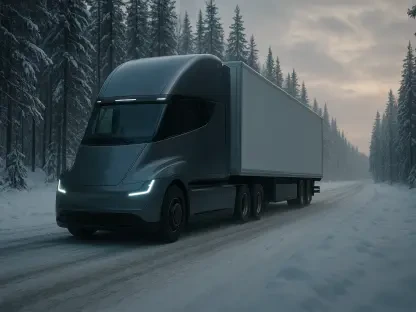
Heavy industry has reached a tipping point where the integration of physical AI into heavy machinery is fundamentally altering the landscape of construction and mining operations. For instance, the deployment of autonomous haulage systems by companies like Caterpillar and Komatsu has moved beyond controlled environments into more complex, dynamic terrain. These machines utilize sophisticated sensor suites, including LiDAR and high-resolution cameras, to interpret their surroundings with a level of precision that exceeds human capability. By processing vast amounts of data at the edge, these vehicles can make split-second decisions to avoid obstacles or optimize fuel consumption without constant remote supervision. This autonomy is crucial because the specialized skills required to operate these massive units are becoming increasingly rare among younger generations. The transition to AI-driven heavy equipment ensures that critical infrastructure projects and raw material extraction continue even as the traditional labor force continues to dwindle significantly.
Beyond simple movement, the new generation of physical AI incorporates cognitive capabilities that allow for proactive maintenance and operational problem-solving. In the current 2026 landscape, hydraulic excavators and drilling rigs are equipped with embedded neural networks that predict mechanical failure before it occurs. These systems analyze vibration patterns and thermal signatures in real-time, communicating directly with logistics hubs to order replacement parts automatically. This level of self-management reduces the need for constant on-site oversight by senior engineers, who are now more likely to manage entire fleets from centralized digital command centers. By delegating routine monitoring and technical adjustments to the machines themselves, heavy industry firms are effectively multiplying the impact of their remaining human experts. This strategic shift allows companies to maintain high safety standards and operational uptime, proving that the synergy between machine intelligence and physical labor is the most viable path forward for the modern industrial age.
Humanoid Robotics: Transformation of Warehouse Logistics
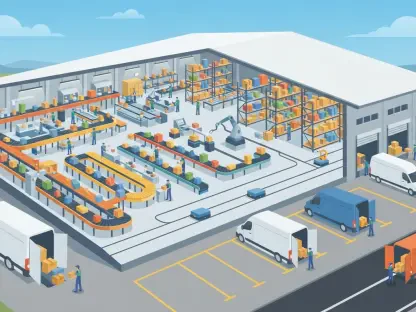
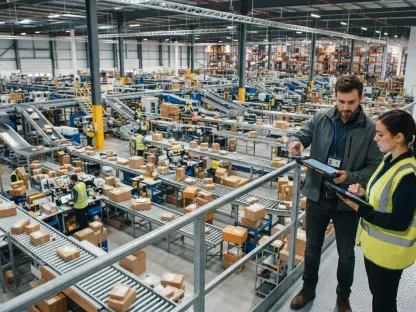
The logistics sector is witnessing a massive surge in the deployment of general-purpose humanoid robots designed to work alongside humans in unstructured environments. Specifically, platforms like the Tesla Optimus and Figure 02 have moved from testing phases to active roles on the factory floor, performing tasks that were previously deemed too complex for non-human workers. These machines excel in the middle-mile tasks of sorting, packing, and moving irregularly shaped objects that traditional conveyor systems cannot handle. Their ability to understand natural language instructions allows warehouse supervisors to retrain them on the fly for new seasonal demands without writing a single line of code. This flexibility is essential for addressing the chronic turnover rates in fulfillment centers, where the physical toll of the work often leads to labor instability. As these robots become more affordable and capable, they are transforming the warehouse from a labor-intensive bottleneck into a seamless, high-throughput node in the global commerce network.
The successful implementation of physical AI across heavy industry ultimately demonstrated that the technology was the primary solution for the labor crisis. Industry leaders realized that investing in localized AI infrastructure provided a more sustainable return than attempting to recruit from a non-existent workforce. By 2026, the focus shifted from simple automation to the creation of collaborative ecosystems where machines handled the hazardous and repetitive elements of industrial work. Companies that prioritized the integration of these intelligent systems saw a marked increase in safety and a reduction in operational overhead. Stakeholders focused on upgrading their technical infrastructure to support high-bandwidth connectivity and edge computing requirements. This proactive approach allowed the sector to move past the limitations of human availability, establishing a new standard for industrial productivity. The decision to embrace physical AI proved to be the turning point that secured the future of heavy industry in a rapidly changing world.