
The global maritime sector is currently experiencing a fundamental transformation as traditional navigational practices yield to a sophisticated digital framework designed to manage the rising complexities of international trade routes. This shift is characterized by a transition from reactive emergency response to a proactive safety model that leverages massive datasets to anticipate dangers before they manifest. By integrating high-frequency satellite communications with advanced data hubs, the industry has begun to bridge the information gaps that historically plagued the high seas, ensuring that vessels are no longer isolated entities but connected nodes in a global intelligence network.
Key stakeholders, including ship owners, insurers, and regulatory bodies, are increasingly relying on these digital insights to navigate a market recently destabilized by the emergence of the shadow fleet. These unofficial shipping sectors often operate without standard regulatory oversight, creating a significant challenge for market stability and safety compliance. Within this modern framework, the Global Maritime Distress and Safety System remains a vital cornerstone, yet its effectiveness is now being amplified by secondary data layers that provide earlier warnings and more granular situational awareness for crews navigating through increasingly crowded and hazardous waters.
Navigating the Modern Seascape: The Digital Shift in Maritime Security
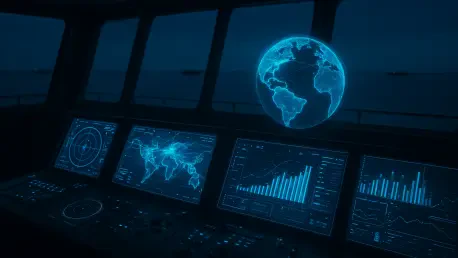
The modernization of maritime security depends heavily on the ability of operators to synthesize disparate information streams into a coherent operational picture. Advanced data hubs now allow for the real-time monitoring of vessel health and environmental conditions, which effectively reduces the reliance on traditional distress signals. As satellite connectivity becomes more ubiquitous, the industry is witnessing a decline in the information asymmetry that once made remote ocean crossings inherently dangerous, allowing for a more synchronized approach to fleet management and emergency prevention.
Furthermore, the influence of the shadow fleet has necessitated a more rigorous application of data analytics to maintain safety standards. These vessels often circumvent traditional tracking, posing a risk to legitimate operators through potential collisions or environmental hazards. To counter this, regulatory bodies are utilizing forensic data analysis to monitor movements and enforce international laws, ensuring that the global shipping ecosystem remains resilient. This collaborative approach between technology providers and regulators is essential for maintaining the integrity of the sea lanes in an era of heightened economic and physical risk.
Data-Driven Insights: Decoding Hazards Through Advanced Analytics
Meteorological Dominance and the Power of Predictive Forecasting
Weather patterns continue to be the most significant threat to maritime operations, accounting for over 80% of urgent safety broadcasts issued to the global fleet. Data from 2025 and 2026 indicates that storms remain the primary culprit, representing the vast majority of identified meteorological hazards that disrupt planned routes. By utilizing historical data trends and predictive modeling, ship masters can now anticipate these storm-related risks with greater accuracy, allowing for early adjustments that optimize vessel routing and prevent the escalation of minor incidents into full-scale emergencies.
The critical link between these early safety warnings and the prevention of distress calls cannot be overstated. Analyzing the temporal relationship between safety broadcasts and subsequent emergency signals reveals that many disasters are avoidable if the initial weather alerts are acted upon promptly. This correlation underscores the necessity of high-fidelity meteorological data in modern navigation. Rather than simply reacting to a developing storm, crews are now equipped with the foresight to steer toward calmer waters, thereby reducing the strain on the vessel and ensuring the safety of the cargo and personnel.
Geopolitical Volatility and the Rise of Electronic Warfare
Recent instability in regions such as the Red Sea, the Black Sea, and the Persian Gulf has introduced a layer of geopolitical volatility that profoundly affects global trade routes. Conflict zones have forced a significant portion of the global fleet to abandon traditional shortcuts in favor of long-range diversions, such as the route around the Cape of Good Hope. These diversions not only increase fuel consumption and operational costs but also extend the period during which a vessel is exposed to the unpredictable conditions of the open ocean, complicating the safety profile of every voyage.
In addition to physical threats, the rise of electronic warfare has emerged as a sophisticated technological challenge to modern navigation. GPS spoofing and signal jamming are increasingly common in strategically vital corridors, leading to navigational disruptions that can cause vessels to inadvertently enter dangerous or restricted waters. These technological hazards require crews to maintain a high level of vigilance and rely on a combination of digital and traditional navigational methods. The economic and safety implications of these disruptions are vast, as they require constant adjustments to risk assessment models to protect against both kinetic and electronic interference.
Confronting Operational Complexity and Vessel-Specific Vulnerabilities
Operational data reveals that different vessel types face unique levels of risk, with tankers reporting nearly double the distress calls of bulk carriers in the recent annual cycle. This disparity is often attributed to the high-stakes nature of tanker operations, which are frequently subject to stringent sanctions and the complexities of transporting volatile cargo. The logistical strain is further compounded for these vessels when they must navigate high-conflict corridors, where any mechanical failure or navigational error can lead to a significant international incident or environmental disaster.
Container ships also remain a high-risk category as they navigate crowded waterways and face the pressures of maintaining tight schedules amidst global supply chain disruptions. The aging of the global fleet presents another layer of vulnerability, as older vessels are more prone to machinery failures and structural issues that can be exacerbated by harsh weather or electronic interference. Mitigating these risks requires a targeted approach, focusing on enhanced regulatory oversight for high-risk segments and the implementation of vessel-specific safety protocols that account for the unique operational demands of each shipping sector.
Standards and Compliance: Steering Toward Unified Safety Protocols
In a data-rich environment, the evolution of international maritime laws is increasingly focused on the integration of digital standards into existing safety protocols. Data democratization through interactive hubs has provided operators with unprecedented access to safety intelligence, aiding compliance with evolving security measures. This transparency allows for a more unified approach to safety, where information regarding hazards and regulatory changes is shared rapidly across the industry, ensuring that even smaller operators can maintain high standards of protection for their fleets.
However, the industry must also balance the benefits of transparency with the need for security, especially in an era of heightened sanctions and cyber threats. Protecting sensitive navigational data from adversarial actors is a growing concern for both private companies and government agencies. Ensuring that safety hubs remain secure while providing actionable insights is a delicate task that requires constant investment in cybersecurity. By fostering a culture of collaborative intelligence, the maritime industry can ensure that unified safety protocols are not only established but also effectively enforced across the global seascape.
The Horizon of Maritime Safety: Innovation and Future Trajectories
The shift toward real-time risk assessment is being accelerated by the integration of artificial intelligence in maritime decision-making processes. AI-driven systems are now capable of processing vast amounts of environmental and operational data to provide crews with augmented navigation suggestions, effectively reducing the potential for human error. Furthermore, as the industry moves from 2026 to 2028, the push for decarbonization and the development of autonomous shipping are expected to introduce new safety implications that will require the continued evolution of digital monitoring and reporting tools.
Future growth areas in maritime safety are also focused on enhancing crew welfare through improved digital connectivity. Providing offshore crews with reliable access to the internet and real-time support systems not only improves mental health but also ensures that they have the tools necessary to handle complex technological threats. As the industry continues to innovate, the focus will likely remain on reducing the impact of human error through augmented navigation and automated safety checks, creating a more resilient and efficient global shipping network that can withstand the challenges of a changing world.
Charting a Safer Future: Synthesis and Strategic Recommendations
The synthesis of meteorological, geopolitical, and technological data provided the maritime industry with a robust defense against systemic fragility. Organizations that embraced the launch of comprehensive data hubs discovered that predictive tools were essential for maintaining operational continuity in a period of significant global tension. These platforms allowed stakeholders to transition from a defensive posture to a proactive strategy, successfully mitigating risks that would have previously led to catastrophic losses. The data clearly demonstrated that informed decision-making was the most effective tool for ensuring the resilience of global supply chains.
Industry leaders emphasized the necessity of continued investment in digital literacy for offshore crews to fully capitalize on these technological advancements. By prioritizing the integration of real-time risk assessment tools, companies successfully reduced the frequency of distress calls and improved the overall safety profile of their fleets. The experience of navigating the complexities of the past several years proved that collaborative intelligence was the only viable path forward. Ultimately, the move toward a more transparent and data-driven maritime environment fortified the industry against the unpredictable nature of the high seas, securing a safer future for global commerce.