
The intersection of the Indian Subcontinent, the Middle East, and Africa represents a global trade nexus where traditional maritime wisdom currently meets the high-speed demands of digital transformation. This geographical corridor is witnessing a profound transformation as it attempts to bridge the gap between rapid economic growth and logistical complexity. In 2026, the focus has shifted from merely moving cargo to creating a seamless, interconnected network that can withstand the pressures of a volatile global market. The integration of these diverse regions is no longer a luxury but a strategic necessity for businesses looking to capitalize on emerging consumer bases and expanding manufacturing hubs.
The Current State of the IMEA Logistics Ecosystem: A Strategic Overview
The transition from fragmented services toward integrated, “one-stop-shop” models marks a fundamental shift in how cargo moves across the IMEA region. Businesses are no longer content with isolated shipping or trucking contracts; instead, they seek comprehensive partners capable of managing the entire journey from the Indian Subcontinent to African hinterlands. This evolution is driven by a necessity to reduce friction at borders and improve overall visibility. By consolidating various links in the supply chain, companies are finding that they can better manage costs and respond more effectively to sudden market shifts.
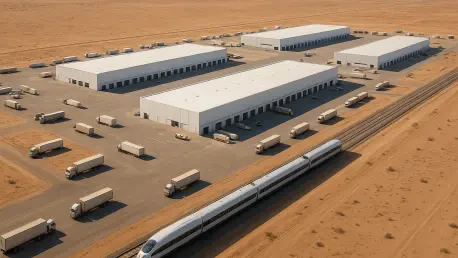
Regional infrastructure initiatives and the implementation of far-reaching free trade agreements are significantly altering the dynamics of maritime and inland trade. Massive investments in deep-water ports and railway corridors are designed to facilitate smoother transitions between different modes of transport. These developments are complemented by a move toward data-driven forecasting, where historical patterns and real-time inputs are utilized to predict demand. In this environment, the ability to anticipate needs before they manifest as crises has become a primary differentiator for major market players.
Connectivity between the Middle East and Africa is becoming more robust as logistics hubs expand their reach into emerging markets. This multi-layered connectivity is essential for maintaining the flow of essential goods, from energy products to consumer electronics. As regional players adopt more sophisticated logistics technologies, the gap between traditional practices and modern efficiency is narrowing. The current landscape is characterized by a high degree of adaptability, as stakeholders navigate a complex web of economic and physical infrastructure that is constantly being upgraded.
Pivotal Shifts and Economic Indicators Shaping 2026
Emerging Trends in Trade Flows and Technological Adaptation
Agricultural exports are experiencing a notable surge, particularly for products requiring specialized reefer solutions to reach global markets in optimal condition. This seasonal demand creates a ripple effect throughout the logistics network, requiring precise coordination of temperature-controlled containers and vessel schedules. Shippers are increasingly relying on “early awareness” logistics, which utilizes artificial intelligence to identify potential bottlenecks before they impact the transit of perishable goods. This proactive stance is essential for maintaining the integrity of food supply chains across the Indian Subcontinent and Africa.
The rise of predictive analytics is transforming risk management from a reactive exercise into a strategic tool. By integrating AI into daily operations, logistics providers can better navigate the unpredictability of transit routes and maritime rerouting. This technological adaptation is particularly relevant in the Middle East, where consumer behaviors are driving a significant increase in demand for cold chain and healthcare logistics. As populations grow and middle-class spending increases, the requirement for sophisticated distribution centers that can handle sensitive pharmaceuticals and fresh food is reaching new heights.
Market Projections and Performance Metrics for the IMEA Region
Forecasted growth in cargo volumes across East and Southern African corridors indicates a robust recovery and expansion phase. These routes are becoming increasingly vital as regional economies diversify and manufacturing activities pick up pace. However, the air freight sector faces specific challenges, particularly regarding the availability of widebody aircraft. The constraints on “belly capacity”—the cargo space available on passenger flights—mean that logistics planners must be highly selective about how they utilize air transport for time-sensitive deliveries.
Current trade data suggests a steady growth trajectory for the IMEA logistics market leading into 2027. Major hubs such as Jebel Ali in the UAE, Dammam in Saudi Arabia, and Mombasa in Kenya are reporting high performance metrics, reflecting their roles as critical gateways. These hubs are not just transit points; they are becoming value-added centers where goods are processed, sorted, and repackaged for local distribution. Monitoring these performance indicators allows businesses to make informed decisions about where to position inventory and how to optimize their regional footprint.
Navigating Structural and Geopolitical Obstacles
Geopolitical volatility continues to cast a long shadow over the Strait of Hormuz and Red Sea routes, necessitating sophisticated mitigation strategies. Shippers are forced to remain agile, often rerouting vessels or switching to multi-modal transport solutions to bypass high-risk zones. This constant state of flux requires a deep understanding of regional politics and the ability to pivot operations at a moment’s notice. Maintaining the flow of trade through these critical maritime arteries is a primary concern for everyone involved in IMEA commerce.
In East Africa, managing equipment imbalances has become a complex task due to the overlapping surges in pulse and avocado exports. The demand for specific container types often exceeds local availability, leading to delays and increased costs. To address this, logistics providers are focusing on better repositioning strategies and encouraging more balanced trade flows. By improving the circularity of container movements, the industry aims to ensure that export-heavy regions are not left without the necessary tools to reach international markets.
Infrastructure bottlenecks in Southern Africa remain a significant hurdle for global market connectivity. While investments are being made, the pace of construction often struggles to keep up with the increasing volume of mineral and agricultural exports. Overcoming these limitations requires a combination of public-private partnerships and the adoption of more efficient border-crossing protocols. In the air freight sector, navigating the fragility of airline schedules during winter transitions adds another layer of complexity that demands constant monitoring and contingency planning.
The Regulatory Framework and Compliance Standards
Saudi Arabia’s Vision 2030 is exerting a powerful influence on regional logistics regulations, setting new standards for efficiency and transparency. The Kingdom’s drive to become a global logistics hub is encouraging neighboring countries to modernize their own regulatory frameworks. This includes the harmonization of customs procedures and the adoption of digital documentation systems. As these standards become more widespread, the ease of doing business across the IMEA region is expected to improve, attracting more international investment.
Environmental standards and carbon footprint reporting are becoming central to maritime operations in 2026. Global pressure to reduce emissions is forcing shipping lines to invest in cleaner technologies and more efficient route planning. Compliance with these new environmental protocols is no longer optional; it is a requirement for maintaining access to major international markets. Logistics providers are now being asked to provide detailed data on the environmental impact of every shipment, making sustainability a key metric in vendor selection.
Security protocols and customs compliance in high-risk transit zones remain top priorities for ensuring the safe passage of goods. Navigating these requirements involves a complex balance between speed and security, particularly in areas where regional tensions are high. At the same time, efforts to harmonize trade policies across the African Continental Free Trade Area (AfCFTA) are progressing. This initiative aims to reduce tariffs and eliminate non-tariff barriers, creating a more integrated and prosperous market that can compete on a global scale.
The Road Ahead: Innovation and Future Market Disruptors
The future of warehousing is being shaped by automation and the expansion of smart distribution centers, particularly within Saudi Arabia. These facilities use robotics and advanced inventory management systems to increase throughput and reduce human error. As the e-commerce market continues to expand, the demand for high-speed fulfillment centers that can process thousands of orders daily is growing. This shift toward automation is not just about efficiency; it is about meeting the rising expectations of consumers who demand faster delivery times.
Potential disruptors like the expansion of the Gemini network and other new maritime alliances are set to redefine shipping routes and service reliability. These alliances aim to pool resources and optimize vessel utilization, providing shippers with more frequent and dependable connections. However, such changes can also lead to a concentration of power among a few large carriers, which may impact competition and pricing. Staying ahead of these shifts requires constant market intelligence and a willingness to explore alternative transport arrangements.
The long-term move toward sustainable fuels and green logistics corridors is gaining momentum, particularly on the Indian Subcontinent. Governments and private companies are collaborating to develop the infrastructure needed to support hydrogen-powered ships and electric trucking fleets. While the transition is still in its early stages, the commitment to green logistics is a clear indicator of where the industry is heading. Anticipating shifts in global economic conditions remains a challenge, but those who invest in sustainable and innovative solutions will be better positioned to navigate the complexities of future trade lanes.
Final Synthesis: Resilience and Recommendations for 2026 and Beyond
The IMEA region’s transition toward a more resilient and integrated supply chain proved that agility was the only viable currency in a volatile market. Shippers who integrated early forecasting into their workflows successfully bypassed the worst of the seasonal equipment shortages that plagued East Africa. The strategic emphasis moved from simple transportation to holistic risk management, as players recognized that infrastructure alone could not solve the complexities of 2026 trade lanes. The successful navigation of maritime rerouting demonstrated a collective maturity among regional stakeholders who prioritized stability over short-term gains.
Investment strategies clearly prioritized cold chain infrastructure and the development of multi-modal transport hubs as the most effective ways to secure future growth. These priorities reflected a broader understanding that the healthcare and high-value food sectors required more than just standard dry storage. By focusing on these specialized areas, the industry built a foundation that supported the rapid diversification of regional economies. The synchronization of customs protocols through initiatives like AfCFTA played a secondary but vital role in reducing the friction that previously hindered intra-regional trade.
The shift toward technological adoption became the primary differentiator for companies seeking to remain competitive as they looked toward 2027. Digital platforms that offered real-time visibility across air, ocean, and land transformed the way decisions were made under pressure. Those who embraced these tools found themselves better equipped to handle the fragility of air freight schedules and the unpredictability of maritime alliances. Ultimately, the lessons learned during this period emphasized that while regional expertise remained essential, it had to be augmented by a commitment to innovation and environmental responsibility to thrive in a globalized economy.