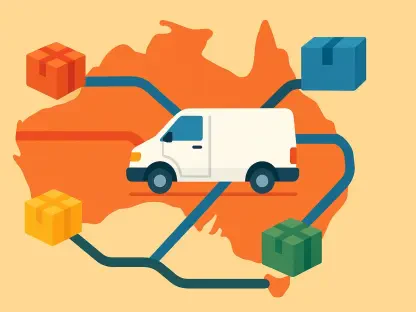

The rapid integration of physical transport networks with digital intelligence is currently redefining how small businesses participate in the global economy, moving away from antiquated shipping models. As the landscape of international commerce shifts, Dubai has solidified its position as a central logistics powerhouse, with Emirates SkyCargo serving as a critical architect of this evolution. The strategic deployment of specialized services like Emirates Courier Express indicates a broader movement toward streamlining the complex journey from local production to global consumption. This initiative effectively addresses the historical barriers that once prevented smaller entities from accessing high-tier logistical support.
The introduction of Emirates Courier Express provides a necessary bridge between local manufacturers and a hungry global market. By offering a refined door-to-door shipping solution, the service empowers small and medium-sized enterprises to bypass traditional intermediary delays. In the digital age, where the speed of delivery often dictates brand survival, this infrastructure allows businesses to scale their operations with confidence. The service is built upon four foundational pillars: exceptional speed, unwavering reliability, an expansive global reach, and a level of technological transparency that was previously the exclusive domain of major corporations.
Significance is found in the way this service simplifies the final mile of the supply chain for businesses that lack their own distribution networks. This allows SMEs to maintain a lean operational model while still providing a premium customer experience. As digital native brands continue to emerge, the demand for integrated shipping that handles everything from the warehouse floor to the customer’s doorstep has become non-negotiable. Through this logistics framework, a small boutique in Dubai can now serve a customer in Sydney or London with the same efficiency as a local neighborhood delivery.
Empowering the Modern Marketplace Through Specialized Logistics
The evolution of Dubai into a global logistics center has been characterized by a relentless focus on infrastructure and connectivity. Emirates SkyCargo has played a pivotal role in this transformation by converting the geographical advantage of the UAE into a functional tool for trade. This specialized logistics approach is not merely about moving boxes; it is about creating a sophisticated ecosystem where goods move at the speed of information. By aligning air cargo capacity with the specific needs of smaller shippers, the provider has turned a complex global network into an accessible utility for the modern entrepreneur.
Emirates Courier Express bridges the gap between local production and global consumption by providing a standardized, high-performance channel for trade. This specialized service allows brands to avoid the fragmentation of using multiple carriers for a single journey. When a local brand in the UAE produces a high-quality product, the logistical hurdle of international distribution often becomes a bottleneck. However, the implementation of a unified door-to-door system ensures that the quality of the product is matched by the quality of the delivery, preserving the brand’s integrity throughout the entire transit process.
Navigating the Shift Toward Rapid Cross-Border E-Commerce
Digital Transformation and the Democratization of High-Level Logistics
The current era of commerce has witnessed a dramatic shift in the paradigm of global shipping, moving from a focus on large multinationals to a more inclusive model for SMEs. This democratization of high-level logistics is fueled by the realization that digitally native brands require the same level of precision and speed as industry giants. Emerging technologies and integrations with platforms like Shopify have made market accessibility a reality for even the smallest businesses. These digital tools allow for seamless order processing, which, when paired with the Emirates Courier Express network, creates a powerful engine for international growth.
Consumer behaviors have also evolved significantly, with a clear shift in priority from product quality alone to post-purchase delivery excellence. Modern shoppers expect immediate gratification and total transparency regarding the location and status of their orders. In response, Dubai has positioned itself as a centralized fulfillment gateway that facilitates international expansion. By housing inventory in a central hub and utilizing rapid air transport, brands can fulfill orders across multiple continents in a fraction of the time required by traditional sea or land routes.
Growth Projections and the Rising Demand for Integrated Shipping
Market indicators from 2026 to 2028 suggest a significant upward trajectory in the performance of brands that utilize integrated logistics. Companies like Squatwolf and Magrabi Optical serve as prime examples of how localized brands can achieve rapid international recognition through superior shipping. Success metrics across the GCC, Europe, and Australia are increasingly fueled by high-frequency flight schedules that ensure daily movement of goods. This consistency allows brands to manage inventory more effectively and reduce the capital tied up in long-transit shipments.
Forward-looking data points toward an increasing reliance on same-day regional connectivity as a standard business requirement. As consumer expectations for rapid delivery intensify, the pressure on the supply chain to perform flawlessly increases. Projections for Dubai-based fulfillment hubs suggest they will continue to serve as the primary global distribution centers for the next several years. This reliance on a centralized, highly efficient hub allows businesses to maintain a smaller physical footprint while reaching a larger global audience than ever before.
Overcoming the Complexity of Global Supply Chain Friction
International expansion has traditionally been fraught with hurdles for smaller entities, ranging from customs delays to inconsistent last-mile delivery. Emirates Courier Express addresses these logistics bottlenecks by reducing transit times and minimizing shipping-related customer complaints. By managing the end-to-end process, the service eliminates the friction caused by transferring goods between different logistics providers. This consistency is vital for maintaining the customer journey across diverse geographies, ensuring that a buyer in a different time zone receives the same high standard of service as a local one.
Navigating the logistical demands of specialized sectors requires a nuanced approach that general cargo services often fail to provide. For luxury retail and performance activewear, the condition and speed of the delivery are critical components of the product value. Specialized shipping ensures that high-value items are handled with the necessary security and care. By reducing the number of touchpoints and utilizing dedicated express channels, the service provides a level of reliability that fosters trust between the brand and its international clientele, which is essential for long-term growth.
The Regulatory and Operational Framework of the Logistics Bridge
A strategic partnership between Dubai Customs and Emirates SkyCargo has been instrumental in facilitating smooth trade flows. This collaboration ensures that regulatory hurdles are cleared with maximum efficiency, allowing goods to move through the hub without unnecessary delays. Compliance and security remain top priorities, particularly when transporting luxury goods or specialized equipment across international borders. The alignment of trade policies with operational capabilities creates a favorable environment where businesses can focus on growth rather than navigating complex paperwork.
The role of digital data integration cannot be overstated in providing real-time tracking and transparent regulatory reporting. By integrating shipping data with customs systems, the logistics bridge provides a clear audit trail and reduces the likelihood of manual errors. This transparency is a significant advantage for SMEs that may not have the resources to manage complex international compliance on their own. The impact of UAE trade policies continues to foster an environment where global growth is not just possible but encouraged through streamlined operational frameworks.
The Future of Global Trade: Innovation and Logistics Integration
In the current landscape, logistics has transitioned from a back-end operational cost to a front-facing driver of brand loyalty. Businesses that prioritize the delivery experience find themselves with a significant competitive advantage in a crowded marketplace. Technological disruptors, such as the integration of delivery data with customer experience platforms, allow brands to provide personalized updates and proactive support. This level of engagement turns a standard transaction into a relationship, which is the cornerstone of modern retail success.
Future growth areas involve expanding this logistics bridge to untapped markets across Africa and Asia. These regions represent the next frontier for e-commerce, and the existing infrastructure in Dubai is perfectly positioned to facilitate this expansion. There is an ongoing commitment to making the global marketplace accessible to businesses of all sizes through continued innovation. By refining the tools of trade and expanding the reach of express services, the logistics industry is ensuring that no market is too distant for an ambitious entrepreneur to reach.
Driving International Growth Through Strategic Connectivity
The initiative established a new standard for how specialized logistics supported the growth of small businesses. It was observed that the dual role of Emirates Courier Express as both a trade facilitator and a digital catalyst provided the necessary momentum for brands to move beyond local markets. The framework reduced the complexity of cross-border trade, which enabled a more diverse range of companies to participate in global commerce. Dubai’s status as a leading hub for modern supply chain solutions was further reinforced by these integrated efforts.
SMEs that leveraged high-speed delivery solutions found themselves in a position of global dominance much faster than those using traditional methods. The long-term impact on the global economic landscape became evident as the logistics bridge fostered a more interconnected and efficient marketplace. Decisions to integrate technology with physical infrastructure proved vital for maintaining competitive advantages. Ultimately, the commitment to innovation and accessibility created a sustainable path for international growth that benefited both businesses and consumers worldwide.