
The European food system currently serves as a global benchmark for safety and variety, yet beneath this surface of abundance lies a complex network of aging infrastructure and trade interdependencies that require immediate modernization. As a primary driver of the region’s economy, this sector encompasses a vast network of primary producers, high-tech processors, and sophisticated retail chains. Today, the landscape is defined by a rigorous regulatory framework that attempts to balance high production standards with essential environmental stewardship. While the continent currently enjoys high scores in food affordability and import diversification, its reliance on seamless trade flows and existing physical infrastructure creates a complex web of potential vulnerabilities.
The industry is navigating a critical period where traditional agricultural practices must coexist with emerging digital precision farming techniques. This integration is not merely a technological upgrade but a fundamental shift in how food is produced and distributed across the internal market. The Common Agricultural Policy continues to provide a structural foundation, yet the focus has shifted toward enhancing the resilience of the entire value chain. Stakeholders are now tasked with maintaining the continent’s reputation for high quality while addressing the rising costs and environmental pressures that threaten to disrupt long-standing supply routes.
Mapping the Architecture of Europe’s Agri-Food Landscape
The structural integrity of the European food system relies on a deeply integrated internal market that facilitates the movement of goods across borders with minimal friction. This architecture is supported by a sophisticated logistics network and a diverse array of producers, ranging from small-scale family farms to large industrial operations. The region’s strength has historically been its ability to diversify imports, ensuring that a failure in one geographic area does not lead to a total collapse of the supply chain. However, this diversity also introduces layers of complexity, as each node in the network must comply with stringent safety and quality protocols.
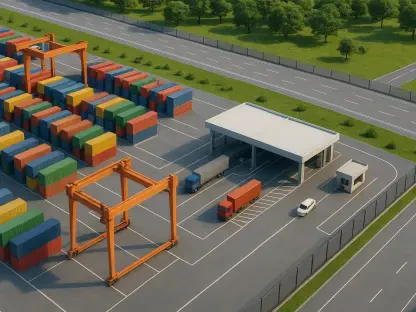
Modernization efforts are currently focused on upgrading the physical infrastructure that supports this vast network. From cold-chain storage facilities to modernized transport hubs, the goal is to reduce waste and ensure that food moves efficiently from the farm gate to the consumer’s table. In this context, digital visibility tools are becoming indispensable, allowing for real-time monitoring of supply chain dynamics. This transparency is crucial for maintaining the high standards of food safety that European consumers expect, while also providing the data necessary to optimize resource use and reduce the environmental footprint of the entire sector.
Analyzing Market Dynamics and Emerging Growth Drivers
Technological Breakthroughs and Evolving Consumption Patterns
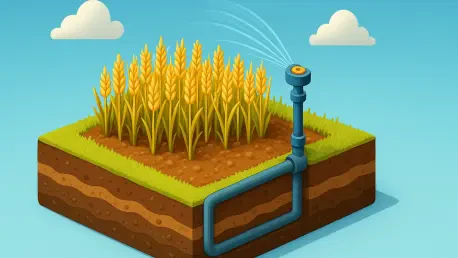
The industry is witnessing a rapid transition toward fit-for-purpose innovations, ranging from precision irrigation to AI-driven supply chain management. These technologies are no longer confined to experimental plots; they are being integrated into large-scale commercial operations to drive efficiency and sustainability. Consumers are also playing a pivotal role in this evolution, as their demand for transparency and dietary diversity pushes market players to adopt more sustainable sourcing practices. This shift is creating a new competitive landscape where the ability to provide credible evidence of environmental responsibility is as important as the quality of the product itself.
Regenerative agriculture has emerged as a key growth driver, moving from a niche concept to a scalable solution for restoring soil health and maintaining yields in an unpredictable climate. By focusing on practices like cover cropping and reduced tillage, producers are finding ways to enhance the long-term viability of their land. These innovations are creating opportunities for firms that can bridge the gap between traditional farming and modern technology. Moreover, the adoption of digital tools is allowing for more precise management of inputs, which helps to mitigate the impact of rising costs and ensures that production remains commercially viable.
Performance Benchmarks and Economic Projections
Despite a history of stability, recent data indicates a stagnation in agricultural productivity growth across much of Europe. While the region maintains an impressive affordability score of over 80/100, year-on-year volatility in production is rising, trailing only North America in its frequency of shocks. This volatility is a significant concern for processors and retailers who rely on steady supply lines to manage their margins. Forward-looking projections suggest that while the demand for high-quality food remains constant, the sector must overcome a significant funding cliff. Venture capital investment in the agri-food space saw a drop of over 50% in 2025, which poses a risk to the continued modernization of the industry.
Economic pressures are further complicated by the rising costs of energy and agricultural inputs. Recent figures from the second quarter of 2026 show a 4.7% increase in input prices, with fertilizers and soil improvers seeing an even sharper jump of 13.4%. These rising costs make farming increasingly capital-intensive, squeezing the profit margins of small and medium-sized enterprises. To maintain growth, the industry must find new ways to attract investment and revitalize private sector confidence. Bridging this investment gap will be essential for bringing lab-grown innovations and other advanced technologies to a commercial scale, ensuring the region remains competitive on the global stage.
Navigating Systemic Vulnerabilities and Climate Risks
The European food system faces a paradox of strength where historical successes mask growing fragility. Climate change has introduced persistent risks, such as extreme heatwaves and droughts, which threaten water availability and traditional crop cycles. These environmental pressures are no longer distant threats but daily operational challenges that require a shift from reactive crisis management to proactive resilience-building. For instance, the lack of modernized water management systems in many parts of the continent poses a direct threat to irrigation-dependent crops, potentially leading to localized shortages and increased price volatility.
Infrastructure gaps, particularly in cold-chain logistics, represent another critical vulnerability. As ambient temperatures rise, the energy and equipment required to keep food chilled during transport become more expensive and difficult to maintain. Failure to address these logistical weaknesses can lead to increased food waste and safety concerns, undermining the efficiency of the entire system. Addressing these challenges requires a coordinated effort to invest in resilient infrastructure that can withstand climate extremes. By prioritizing these investments, the industry can protect its supply chains and ensure that food remains safe and accessible, even in the face of environmental instability.
The Regulatory Framework and the Cost of Divergence
Europe’s food system operates under some of the world’s strictest standards for quality and safety, providing a high level of protection for consumers. However, the regulatory landscape is currently characterized by divergent standards across borders, where differing certification and inspection protocols create friction in the internal market. These bureaucratic hurdles increase operational costs and reduce the agility of the supply chain during periods of localized shortage. When food cannot move efficiently across the continent due to administrative delays, the overall resilience of the system is compromised, leading to unnecessary waste and higher prices.
Strengthening the system will necessitate the harmonization of these regulations to ensure that food can move freely without compromising safety or environmental targets. A more unified approach to certification would allow producers to access wider markets with greater ease, fostering a more competitive and responsive industry. Moreover, clear and consistent regulatory pathways are essential for the adoption of new technologies. When rules are fragmented, it creates uncertainty for investors and innovators, slowing the pace of modernization. Harmonization is therefore not just an administrative goal but a strategic imperative for the long-term health of the agri-food sector.
Future Horizons: Innovation, Resilience, and Sourcing Strategies
The future of Europe’s food security lies in the ability of the industry to anticipate, absorb, and adapt to global shocks. Stakeholders are moving toward a model of diversified sourcing and regional processing to reduce reliance on long-distance logistics and single-origin suppliers. By establishing regional processing hubs, such as the sunflower processing initiatives in France, the industry can create more stable local markets and reduce the risks associated with international trade disruptions. This shift toward regionalization is complemented by the integration of digital visibility tools, which allow stakeholders to better manage procurement variability and respond quickly to supply chain anomalies.
Strategic investments in soil resilience and water management are also becoming central to long-term sourcing strategies. Programs like RegenConnect are providing a roadmap for how financial and agronomic support can help farmers adopt regenerative practices that protect their land and their livelihoods. As the market evolves, new financing models will be essential to bring lab-grown innovations and other sustainable solutions to a commercial scale. By balancing the need for commercial viability with the imperative of environmental restoration, the European food system can create a more robust and sustainable future that serves both producers and consumers alike.
Synthesizing Strategic Imperatives for Long-Term Food Security
The path toward a more resilient food system necessitated a unified effort across the entire value chain, from policymakers to multi-national corporations. The strategy for securing the region’s status as a global leader in food security hinged on four critical pillars: modernizing infrastructure to withstand climate extremes, harmonizing trade standards to reduce friction, scaling financial support for agricultural research, and incentivizing sustainable farming practices. Industry leaders realized that success depended on balancing environmental imperatives with the economic realities of a volatile market. By prioritizing investments in water management and cold-chain logistics, stakeholders built a foundation that could withstand the increasing frequency of climate-induced shocks.
The transition to a more agile system also required a shift in how innovation was funded and implemented. Policymakers and private investors found that bridging the funding gap was essential for bringing fit-for-purpose technologies from the laboratory to the farm. Furthermore, the harmonization of cross-border regulations allowed for a more seamless flow of goods, which enhanced the system’s ability to absorb localized disruptions. This collaborative approach ensured that the food system remained robust, diverse, and affordable. Ultimately, the actions taken to reinforce the agri-food landscape provided a sustainable framework that protected the interests of the next generation of European consumers and producers.