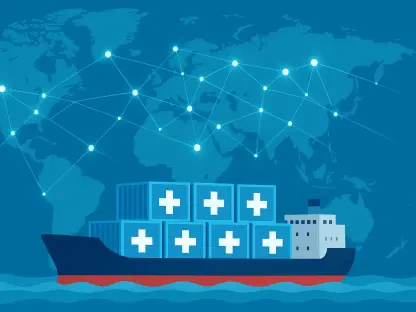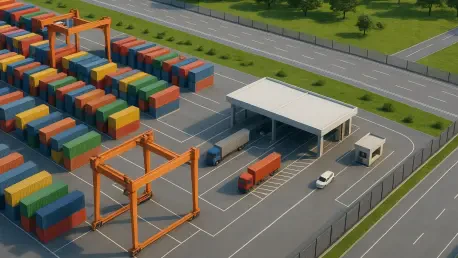

The collaboration signals a shift from isolated service provision to an integrated regional strategy aimed at protecting and growing Arad’s market share in the European logistics sector. This initiative transforms the border between Romania and Hungary into a focal point for global supply chains, ensuring that western Romania remains a top-of-mind destination for large-scale logistics investments. As trade volumes from the East continue to fluctuate, the necessity for a stable, high-capacity entry point into the European Union has never been more apparent. The partnership between Railport Arad and the Curtici-Arad Free Zone addresses this by offering a hybrid model of transportation and specialized trade status. Historically, logistics providers operated in silos, but the current economic climate demands a more holistic approach that merges technical capabilities with legal advantages. By synchronizing their operations, these two entities are creating a corridor that bypasses traditional bottlenecks and offers a streamlined path for goods moving from Central Asia and beyond. This convergence represents a fundamental re-engineering of how regional hubs compete.
Regional Connectivity: Strengthening the Trade Infrastructure
The formalization of the agreement between Railport Arad and the Curtici-Arad Free Zone administration establishes a new standard for intermodal cooperation in Central and Eastern Europe. This strategic alliance functions as a cohesive platform where businesses can manage the entirety of their logistics requirements through a single coordinated effort. By aligning their promotional strategies, both organizations now represent each other’s interests during international summits and trade negotiations. This mutual representation ensures that potential investors are presented with a package that includes not only rail freight handling but also the sophisticated warehousing and administrative support necessary for modern distribution. The goal is to eliminate the fragmented nature of traditional transport routes, providing an operational environment where every stage of the supply chain is handled with precision. By offering a integrated solution, the Arad region is positioning itself as a primary choice for firms seeking to optimize their European operations and reduce the logistical friction inherent in international trade.
Diplomatic Missions: Engaging the Eurasian Trade Corridors
A central pillar of the Arad strategy involves an aggressive push into Asian markets, specifically targeting trade corridors originating in China and Kazakhstan. These nations represent the backbone of the modern Silk Road, and securing a position within their trade flows is vital for long-term regional prosperity. The partnership has initiated a series of diplomatic and economic missions aimed at establishing Arad as the logical terminus for Eurasian rail shipments. During these missions, the delegation presents the combined capabilities of the Railport and the Free Zone as a dual-advantage gateway. The presence of the Curtici-Arad Free Zone at economic forums in Kazakhstan and China allows the region to present a sophisticated value proposition that goes beyond simple transportation. By actively engaging with governmental and private sector leaders in these high-growth markets, the partnership ensures that western Romania remains a top-of-mind destination for large-scale logistics investments. This narrative is particularly appealing to companies looking for a reliable distribution hub to serve the wider European market.
Investment Strategies: Cultivating Long-term Economic Ties
These international outreach efforts are primarily focused on cultivating deep-rooted investment interest rather than just securing immediate rail services. The strategy recognizes that long-term success depends on convincing Asian investors that Arad offers a stable and cost-effective entry point into the European Union. By emphasizing the integration of world-class intermodal infrastructure with lucrative fiscal incentives, the partners demonstrate a clear understanding of the risks associated with global trade. The missions serve to build trust and demonstrate a long-term commitment to providing the necessary support for international businesses. As a result, the region is not just seen as a transit point, but as a strategic partner capable of supporting the complex needs of modern global supply chains through dedicated service and infrastructure. This approach naturally leads to a more resilient logistics hub that can adapt to the changing demands of the global market, ensuring that the physical and legal foundations are perfectly aligned with the needs of multinational corporations.
Economic Growth: Leveraging the Fiscal and Physical Assets
The partnership’s value proposition is built upon the unique combination of physical and legal infrastructure, which provides a level of operational flexibility that is difficult for competitors to replicate. Railport Arad provides the physical backbone, including high-capacity rail lines, heavy-duty cranes, and extensive terminal space necessary for moving massive volumes of freight. Complementing this is the legal infrastructure provided by the Curtici-Arad Free Zone, which offers the frameworks that facilitate international trade. This dual approach addresses both the physical requirements of logistics and the complex financial considerations that come with cross-border commerce. By integrating these two elements, the partnership provides a holistic environment where goods can be moved, stored, and processed with minimal disruption. This synergy is particularly beneficial for high-value goods and complex supply chains that require a combination of rapid transport and specialized handling within a secure, duty-advantaged zone, making the region a cornerstone of intermodal transport.
Fiscal Incentives: Maximizing the Integrated Value Proposition
A defining feature of the collaboration is the specialized customs regime offered by the Free Zone, which presents a significant financial incentive for non-European Union businesses. Under this framework, companies can store goods indefinitely without the immediate payment of import duties or value-added taxes. These fiscal obligations only become due when the products are officially released for consumption within the EU market. This arrangement allows international firms to manage their cash flow much more effectively, as they do not have to tie up significant capital in taxes while goods are still in storage or transit. This makes the Arad region an ideal staging ground for distribution throughout the continent, as businesses can hold large inventories near their final destination while maintaining financial flexibility. When paired with the high-speed intermodal connectivity of the rail terminal, this fiscal advantage creates a compelling reason for global traders to choose Arad as their primary distribution hub, ensuring long-term profitability.
Capacity Scaling: Preparing for the Future Global Demand
To maintain its status as a leading intermodal reference point, Railport Arad is currently executing a significant EUR 10 million expansion project. This investment adds 3.5 hectares to the existing terminal, substantially increasing the capacity to handle growing freight volumes from Asian trade routes. This proactive approach to capacity building ensures that the physical footprint can accommodate the large-scale Asian investors the partnership intends to attract. The project includes the modernization of loading areas and the installation of advanced tracking systems, which enhance the overall efficiency and reliability of operations. This commitment to infrastructure growth demonstrates a long-term vision and a high degree of confidence in the regional economy’s ability to sustain large-scale international trade flows. By continuously upgrading its physical and technological capabilities, Railport Arad reinforces its position as a cornerstone of the regional logistics ecosystem, ensuring that the infrastructure is ready to meet the needs of the global market.
Actionable Progress: Governance and Gateway Sustainability
Stakeholders implemented a series of robust measures that shifted the focus from simple cargo handling to a sophisticated service-oriented model. The integration of customs-free storage with high-capacity rail infrastructure provided a definitive solution to the cash-flow challenges faced by non-EU exporters. Leaders prioritized the expansion of terminal capacity, which ensured that the physical infrastructure stayed ahead of market demand. This proactive approach successfully attracted international attention, positioning western Romania as a key player in the global supply chain. Moving forward, the focus remained on refining digital integration between the railport and customs authorities to further decrease transit times. Investors found that the comprehensive logistics ecosystem reduced operational risks and provided a stable environment for long-term growth. The partnership effectively established Arad as a premier intermodal hub, proving that strategic cooperation was the most effective tool for competing in the modern economy.