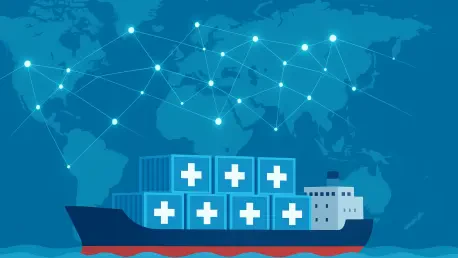

The historical pursuit of absolute precision in pharmaceutical logistics has long functioned as a double-edged sword, ensuring patient safety while simultaneously strangling the industry’s ability to react to sudden global volatility. For decades, the sector operated within a cocoon of rigid, compliance-heavy infrastructures where every movement was dictated by static protocols designed to minimize risk at any cost. However, as the global landscape shifts toward a more complex and data-driven ecosystem, the traditional reliance on these uncompromising systems has created a bottleneck that prevents the timely delivery of modern therapies. The current tension lies between a legacy of operational conservatism and the rapid emergence of real-time logistics technology that demands a faster, more flexible response to disruption.
Breaking the Bottleneck: The Current State of Pharmaceutical Logistics
Pharmaceutical supply chains represent one of the most critical infrastructures in the modern world, yet they remain tethered to archaic methodologies that prioritize sequential validation over real-time visibility. Stringent regulations, while necessary for product integrity, have inadvertently fostered a culture of paralysis where the introduction of new technologies is often met with extreme caution. This operational conservatism is being challenged by a fundamental shift toward a data-driven ecosystem where information is no longer a historical record but a proactive asset. The global market is witnessing a profound transformation as stakeholders recognize that the cost of inaction now outweighs the risks associated with technological integration.
Key market players are increasingly forced to choose between maintaining their traditional siloed domains and adopting integrated platforms that offer a horizontal view of the entire value chain. Technological influences, such as the internet of things and predictive analytics, are reshaping the industry’s scope by providing granular insights into environmental conditions and shipment locations. However, the adoption of these tools is frequently hindered by a lack of infrastructure capable of contextualizing such massive influxes of data. Consequently, the industry stands at a crossroads where the ability to bridge the gap between legacy conservatism and modern logistics technology will determine which organizations thrive in a high-velocity environment.
The current atmosphere is defined by a realization that the traditional book of the business—the collection of standard operating procedures and theoretical models—no longer reflects the real-world complexities of global distribution. Major pharmaceutical entities find themselves managing multi-billion dollar portfolios using logic that was established before the advent of ubiquitous connectivity. To break this bottleneck, a new mindset is required that treats compliance as a baseline rather than a ceiling for innovation. This shift necessitates a move away from siloed expertise toward a more holistic understanding of how data flows through the organization, enabling a more responsive and resilient network.
Navigating the Shift Toward Agentic Systems and Real-Time Data
Emerging Trends in Dynamic Supply Chain Optimization
The evolution of logistics is currently characterized by a migration from static Standard Operating Procedures to agentic systems that possess the intelligence to optimize operations in real time. Unlike traditional automation, which follows pre-programmed rules regardless of context, agentic systems analyze live data streams to suggest or execute adjustments that mitigate disruptions. This transition allows companies to move away from the rigid lane qualifications of the past, replacing them with dynamic models that account for fluctuating temperatures, port congestion, and geopolitical shifts as they happen. Such systems represent the next generation of supply chain management, where the machine acts as a co-pilot rather than a simple recording device.
A critical component of this shift is the rise of cross-functional generalists who serve as the connective tissue between technical data infrastructure and logistics domain expertise. These individuals are essential for breaking down the silos that have traditionally separated data science from operational execution. By understanding both the intricacies of pharmaceutical compliance and the nuances of data modeling, these generalists ensure that technology serves a strategic purpose rather than becoming a distraction. This human element is vital for calibrating agentic systems, ensuring that the outputs are grounded in the practical realities of moving sensitive medical products across borders.
Furthermore, the implementation of noise cancellation technology has become a cornerstone of dynamic optimization, helping operators distinguish between minor data fluctuations and genuine threats to cargo integrity. In an environment saturated with sensory data, the ability to filter out insignificant alerts prevents the alarm fatigue that often leads to human error. This technological advancement also allows for the migration of pharma-grade standards, such as end-to-end provenance tracking, into other highly regulated industries like probiotics or specialized electronics. By refining these capabilities, the pharmaceutical sector is establishing a blueprint for high-integrity logistics that transcends its own borders.
Market Projections and the ROI of Supply Chain Resilience
The financial implications of over-qualification in logistics are becoming increasingly apparent as organizations tally the hidden costs of analysis paralysis. When a company spends months qualifying a single shipping lane that could have been validated in days using modern digital twins, the lost opportunity cost is staggering. Growth projections for AI adoption within the pharmaceutical logistics sector from 2026 to 2030 suggest a significant increase in capital expenditure toward predictive modeling and autonomous decision-making tools. Organizations that prioritize these investments are expected to see a dramatic reduction in product wastage and a faster time-to-market for specialized therapies, creating a clear return on investment.
Performance indicators are shifting from a focus on historical reliability to a measurement of how quickly a supply chain can pivot under pressure. The transition from months-long lane setups to agile, days-long qualifications is becoming a primary metric for operational excellence. This agility allows companies to maintain continuity even when primary trade routes are compromised, a necessity in an era of frequent global disturbances. The long-term value of the pharmaceutical supply chain is increasingly tied to its ability to function as a parallel act and learn framework, where real-world execution provides the data necessary for continuous refinement.
Looking toward the 2026-2029 period, the market is expected to reward firms that move away from sequential models that demand perfect data before any action is taken. The shift toward parallel processing allows companies to deploy agentic tools over existing data sets, identifying inefficiencies while simultaneously improving the quality of the underlying information. This approach not only accelerates the adoption of AI but also ensures that the supply chain becomes a source of competitive advantage rather than a stagnant cost center. By valuing resilience over theoretical perfection, leadership can unlock significant financial value and improve patient outcomes.
Overcoming the Perfection Paradox and Legacy Inertia
The primary obstacle to modernizing the pharmaceutical supply chain is an industry-wide obsession with achieving 100% data cleanliness before implementing any form of advanced intelligence. This perfection paradox often leads to years of stagnant preparation, where organizations spend millions on master data management projects that never reach completion. This delay creates a trough of disillusionment as companies attempt to layer sophisticated large language models on top of fragmented, twenty-year-old legacy systems. Without a coherent strategy for integrating these disparate parts, the technology inevitably fails to deliver on its promise, reinforcing the skepticism of traditionalists.
To navigate this impasse, the Data Foundry framework has emerged as a practical strategy for creating a data harness before deploying high-level tools. This approach involves organizing existing data in its current state and applying a layer of contextual intelligence to make it useful for agentic systems. Rather than waiting for a complete overhaul of legacy databases, the foundry focuses on building a structured environment that can absorb innovation as it arrives. This strategy allows companies to start solving immediate problems, such as shipment delays or temperature excursions, while the broader data infrastructure continues to mature in the background.
Overcoming organizational silos also requires a concerted effort in education and the preparation of human capital. Teams must be trained not just on how to use new tools, but on how to trust the insights generated by AI-driven systems. Infrastructure must be viewed as a living entity that requires constant calibration and input from domain experts to remain relevant. By fostering a culture that prioritizes pragmatism over theoretical perfection, pharmaceutical companies can overcome the inertia of their own success and begin to leverage the full potential of modern logistics technology.
The Regulatory Landscape and the Evolution of Compliance
The global regulatory environment is undergoing a subtle but significant shift toward conditional chain of custody and real-time integrity verification. Regulators are increasingly looking for evidence of end-to-end control, demanding that pharmaceutical companies provide verifiable data on the condition and location of products throughout their entire journey. This trend is largely driven by the specific requirements of cell and gene therapy, where the biological nature of the cargo makes traditional, retrospective reporting insufficient. The lessons learned from the high-stakes world of personalized medicine are now influencing broader manufacturing and distribution standards, raising the bar for the entire industry.
Maintaining compliance in this evolving landscape requires platform-agnostic toolsets that can interact with various partners and technologies across the global network. Avoiding technological obsolescence is a top priority for leadership, as the tools used today must be capable of adapting to the regulatory mandates of tomorrow. By utilizing agnostic frameworks, companies can ensure that their security and safety protocols remain robust even as they pivot between different logistics providers or sensor technologies. This flexibility is essential for meeting modern security mandates that require immediate transparency and intervention capabilities.
Furthermore, the role of real-time control is becoming a benchmark for regulatory approval in emerging markets. Integrity verification is no longer a task performed after the product arrives; it is a continuous process that occurs in the cloud as the shipment moves. This shift toward proactive compliance ensures that deviations are addressed before they result in a total loss of product, protecting both the financial interests of the company and the health of the patient. As these standards become global benchmarks, the ability to maintain a high level of digital oversight will become a prerequisite for participating in the global pharmaceutical market.
Future Horizons: Toward a Resilient and Agnostic Ecosystem
The rise of agnostic toolsets is predicted to be a defining characteristic of the next decade, allowing companies to switch between emerging technologies without being trapped by vendor lock-in. This independence is crucial for maintaining a resilient ecosystem that can absorb the best of what the market offers at any given moment. AI will play a central role in this transition, moving the supply chain from a reactive cost center into a strategic competitive differentiator. As global economic conditions continue to fluctuate, the demand for specialized, high-value therapies will drive further innovation in cold chain logistics and secure distribution networks.
Innovation in the pharmaceutical sector is expected to focus on the transition from the theoretical book of the business to real-world dynamic execution. This involves using live data to adjust supply chain parameters on the fly, ensuring that resources are allocated where they are needed most. The demand for transparency and speed will continue to push the boundaries of what is possible in logistics, fostering a new era of collaboration between technology providers and pharmaceutical manufacturers. By embracing a more fluid and responsive model, the industry can ensure that life-saving medications reach their destinations regardless of the challenges encountered along the way.
The long-term outlook for the sector is one of increased productivity and reliability, driven by a pragmatic approach to data management and technological integration. Organizations that successfully navigate the transition from paralysis to agility will be characterized by their ability to act and learn in real time. This evolution will not only improve the bottom line but will also enhance the industry’s ability to respond to future health crises and the growing demand for personalized medicine. The future of the pharmaceutical supply chain lies in its ability to be as dynamic and innovative as the life-saving therapies it carries.
Conclusion: Embracing Pragmatism for a More Productive Future
The analysis revealed that the pharmaceutical sector’s historical reliance on static perfection functioned as a significant barrier to the adoption of transformative logistics technologies. It was observed that organizations often prioritized exhaustive data cleansing over immediate operational improvements, a strategy that frequently led to stagnation and missed opportunities for efficiency. The findings indicated that the shift toward agentic systems and real-time data integration required a philosophical departure from traditional siloed management. Leaders who recognized the value of good enough data as a foundation for immediate action were able to foster a more resilient and responsive supply chain environment.
The transition toward a parallel act and learn framework was identified as the most effective path for overcoming legacy inertia and organizational silos. The research highlighted that by prioritizing the creation of a data foundry over the pursuit of perfect master data, companies successfully integrated AI tools that delivered tangible results in lane qualification and risk mitigation. This pragmatic approach allowed for a reduction in operational costs while simultaneously increasing the speed at which specialized therapies were delivered to patients. The industry recognized that the future of logistics belonged to those who could balance the demands of compliance with the necessity of technological agility.
Moving forward, the industry adopted agnostic toolsets as a primary strategy for avoiding vendor lock-in and ensuring long-term technological resilience. Leadership teams began to prioritize the development of cross-functional generalists who could navigate the intersection of data science and pharmaceutical logistics. This investment in human capital, combined with a focus on real-time integrity verification, transformed the supply chain from a historical cost center into a vital competitive differentiator. By embracing a mindset that valued dynamic reality over theoretical models, the sector established a new standard for reliability and speed in the global delivery of healthcare.