
The seamless experience of receiving a parcel within hours of a midnight click has become a fundamental expectation for millions of South Koreans, yet this logistical miracle now faces a significant reckoning as new labor mandates reshape the industry’s cost structure. While the nation maintains the most sophisticated delivery network on the planet, the friction between consumer convenience and worker protection is reaching a boiling point. The rapid maturation of the market suggests that the era of nearly free, instantaneous shipping is transitioning toward a more expensive, regulated model.
The Modern Pulse of South Korea’s Logistics and Parcel Delivery Ecosystem
The hyper-competitive landscape of the world’s most advanced delivery market relies on a delicate balance between e-commerce giants and third-party logistics providers. Dominance in this sector is currently defined by the ability to execute dawn deliveries with surgical precision. This relentless pace has turned the local logistics ecosystem into a critical utility for urban living.
Recent shifts in the regulatory framework governing the Living Logistics Service Industry Act reflect a broader transition in societal values. Industry leaders are now forced to pivot from a philosophy of rapid expansion to one that prioritizes labor rights and worker welfare. This focus on human sustainability is fundamentally altering the operational DNA of major courier services.
Evolving Consumer Demands and the Economic Trajectory of Last-Mile Delivery
Technological Shifts and the Surge in Direct-to-Door Expectations
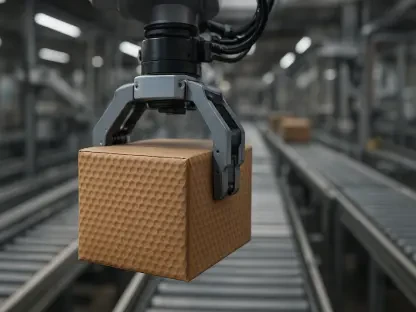
The rise of continuous fulfillment cycles has cemented a 24/7 delivery culture that many consumers now view as an essential right. Automated sorting systems and AI-driven routing have historically allowed providers to keep pace with this demand. However, the reliance on these technologies has also created a standard of availability that is becoming increasingly difficult to sustain.
Changing shopping habits force logistics providers to maintain a 365-day schedule, placing immense pressure on human infrastructure. While automation handles the sorting, the final mile still requires a massive workforce. This creates an environment where efficiency gains from technology are often offset by the rising costs of human labor.
Market Growth Projections and the Price of Social Responsibility
Data-driven forecasts suggest that parcel volumes will continue to grow from 2026 to 2028 despite looming regulatory constraints. This growth trajectory is complicated by the historical precedent of price increases tied to social welfare. For instance, the social compact in 2026 resulted in a 170 won per parcel rise to fund better conditions.
Projecting the financial impact of restricted working hours suggests that maintaining worker income will require substantial fee adjustments. Analysts anticipate that shipping costs could spike significantly if current labor caps are strictly enforced. Consumers and retailers must now prepare for a marketplace where social responsibility carries a quantifiable price tag.
Operational Bottlenecks and the Financial Burden of Reform
Weekend delivery restrictions are inadvertently creating the “Monday Surge,” a phenomenon where massive volumes accumulate during rest periods. This spike creates dangerous conditions as workers attempt to process three days of orders in a single shift. The resulting bottleneck effect increases labor intensity during the remaining permissible windows.
Logistics firms are attempting to mitigate these losses through aggressive route optimization and infrastructure investment. Nevertheless, the financial burden remains heavy for small-to-medium-sized online sellers who cannot easily absorb escalating fees. For these businesses, the cost of shipping is becoming a primary threat to their thin profit margins.
The Regulatory Shift: Balancing Worker Welfare with Economic Stability
Proposed amendments to the Occupational Safety and Health Act represent a deep dive into the limits of human endurance in a digital economy. Mandatory night-shift caps and the redistribution of sorting responsibilities aim to eliminate overwork. These measures seek to define “overwork” in legal terms to prevent disputes and protect long-term health.
Government compliance measures are tightening, yet they introduce new concerns regarding the security and reliability of the delivery chain. A fragmented schedule makes it harder to track shipments and maintain the consistency that fuels e-commerce. Balancing these safety needs with economic stability requires a precise regulatory hand.
The Future of South Korean Logistics: Innovation vs. Regulation
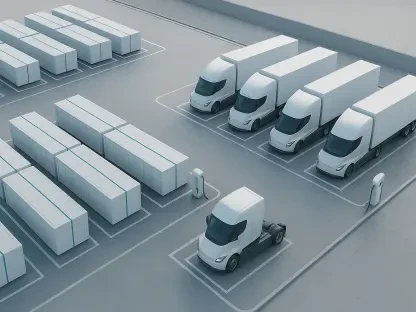
The industry is predicted to accelerate the move toward fully autonomous delivery vehicles and drones to offset rising labor expenses. This technological leap serves as a hedge against the shrinking pool of available human hours. Companies that can successfully automate the final mile will likely dominate the market in the coming years.
A two-tiered delivery market is also emerging, where premium expedited services are separated from budget-conscious delayed options. Global economic conditions and fuel price volatility will likely exacerbate the impact of these domestic reforms. A data-backed approach to future labor policymaking is necessary to avoid unintended economic fallout.
Navigating the Cost of Progress in a Digital-First Economy
The cumulative strain of legislative reforms weighed heavily on the domestic retail supply chain as it adapted to a new era of worker protections. It became clear that the disproportionate risks faced by small merchants and agricultural producers required a more tailored intervention. The industry recognized that without such measures, the cost of progress would be borne by the most vulnerable stakeholders.
Policymakers identified that an equitable distribution of social costs across the entire logistics value chain was the only sustainable path forward. By implementing transparent cost-sharing models, the sector successfully preserved its global leadership while establishing a new standard for workforce dignity. These findings suggested that the future of logistics depended on the balance between innovation and the ethical treatment of labor.