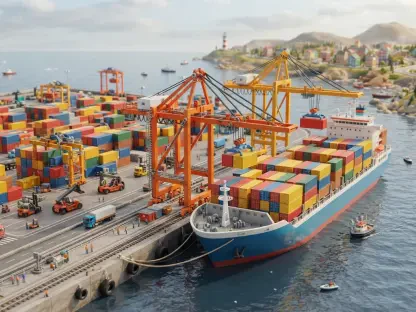

The modern supply chain is no longer just about moving goods from point A to point B but about erasing the friction that traditionally exists at the intersection of international borders and domestic doorsteps. This shift represents a transition from basic freight forwarding to integrated supply chain management where speed and regulatory transparency are inseparable. By establishing dedicated hubs in strategic locations like Mississauga and Manchester, logistics providers are now offering a seamless link between global shipping and local delivery.
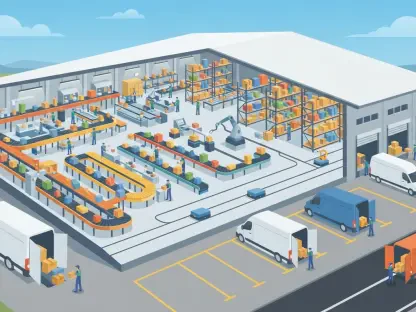
Recent developments in the industry show a clear move toward total supply chain control, allowing brands to store inventory directly within their target markets. These fulfillment centers serve as critical nodes that allow businesses to bypass the hurdles of long-distance distribution. This infrastructure supports a model where goods are processed and stored in-country, significantly reducing the time it takes for a product to reach the final consumer.
The Evolving Landscape of Global E-commerce Logistics
Logistics providers are rapidly moving beyond traditional roles to become end-to-end partners for global retailers. This evolution is driven by the need for local fulfillment in high-demand international markets where consumers expect rapid delivery times. By integrating freight and last-mile services, companies can provide a unified experience that was previously fragmented across multiple vendors and clearing agents.
The significance of local presence in North America and Europe cannot be overstated for brands seeking to maintain a competitive edge. Major players in the market are successfully bridging the gap between cross-border transit and the final mile. This consolidation relies heavily on specialized certifications and customs expertise to ensure that trade remains efficient and uninterrupted across diverse regulatory landscapes.
Driving Forces Behind the Shift Toward Localized Fulfillment
One of the primary catalysts for this industry shift is the demand for a more responsive and less complex shipping process. Many brands have faced significant logistical inefficiencies when fulfilling international orders from distant warehouses. These challenges include unpredictable shipping times and the administrative burden of managing cross-border customs for every individual customer transaction.
In response, logistics platforms are offering centralized management for freight and fulfillment under one digital roof. This approach provides brands with a single point of contact and an account team that handles the entire journey of a product. Consequently, businesses can focus on growth while the logistics provider manages the intricacies of in-country storage and domestic returns.
Emerging Trends in Frictionless International Trade
Transitioning from a model of cross-border shipping to localized inventory storage is essential for reducing lead times in a fast-paced market. By keeping stock closer to the buyer, retailers can offer shipping speeds that rival domestic competitors. This trend is supported by unified platforms that provide real-time data on inventory levels and shipping status across multiple geographic regions.
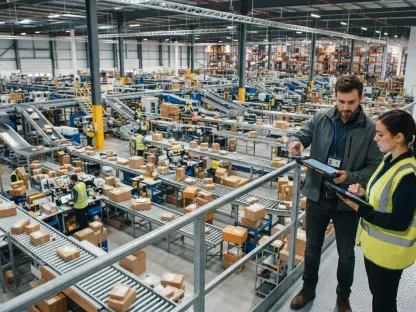
The integration of robotic automation has become a cornerstone of modern warehouse efficiency in these new hubs. Systems like AutoStore ASRS allow for high-density storage that uses significantly less space than traditional facilities. This technological leap not only increases the speed of order picking but also optimizes operational costs, allowing for more aggressive scaling in expensive urban markets.
Market Projections and the Growth of International Third-Party Logistics
Current data suggests a steady increase in e-commerce sales volumes across both the United Kingdom and Canada from 2026 to 2028. This growth is pushing logistics providers to expand their automated networks deeper into continental Europe. Performance indicators already reflect substantial cost savings for brands that have moved away from multiple cross-border touchpoints in favor of localized hubs.
The forecast for the coming years points toward a higher adoption rate of third-party logistics providers that offer fully integrated services. As throughput increases, the cost per unit for fulfillment is expected to decline, making localized storage accessible to smaller brands. This democratization of global logistics will likely lead to a more diverse marketplace where international reach is no longer reserved for the largest corporations.
Navigating Operational and Logistical Obstacles in New Territories
Expanding into new territories requires overcoming the complexities of international customs and potential shipping delays. Each region possesses unique regulatory hurdles that can stall inventory if not managed with precise expertise. Logistics firms are countering these obstacles by embedding customs brokerage directly into their fulfillment workflows, ensuring that goods move through borders before they are even sold.
Managing high overhead costs remains a significant hurdle for traditional warehousing models in developed nations. High-density robotic storage provides a viable solution by maximizing every square foot of available space. This efficiency is crucial for maintaining a unified customer experience, as it allows providers to keep prices stable while operating in high-value geographic zones near major transportation hubs.
Regulatory Compliance and Quality Standards in Global Distribution
Compliance with regional standards is mandatory for logistics providers handling sensitive goods like medical supplies and supplements. In Canada, obtaining specific health certifications ensures that the facility meets the safety requirements necessary for high-stakes inventory. These standards safeguard the consumer and provide brands with the assurance that their products are being handled under strict quality controls.
Beyond product safety, facilities must adhere to regional labor laws and safety standards, particularly within highly automated environments. Ensuring that robotic systems and human staff operate safely together is a complex task that requires constant oversight. Data security also plays a vital role, as integrated platforms must protect sensitive trade data while complying with international privacy regulations.
The Future of End-to-End Supply Chain Management
The industry is moving toward a future defined by factory-to-doorstep visibility, where every step of the journey is tracked on a single ledger. This transparency eliminates the fragmentation that occurs when goods change hands between different shipping and warehousing companies. As brands seek more control, the demand for a seamless, transparent flow of information will only continue to grow.
Potential disruptors in the near future include the wider adoption of AI-driven inventory placement and localized returns processing. These technologies will allow for even more precise positioning of goods based on anticipated regional demand. Furthermore, the push for sustainable logistics will likely favor high-density storage solutions that reduce the overall carbon footprint by minimizing energy use and transport distances.
Strategic Implications for Global Brands and Retailers
The expansion of localized fulfillment services in Canada and the UK provided a template for reducing friction in international commerce. Brands that utilized these hubs achieved a significant competitive advantage by offering faster delivery times and simplified return processes. The consolidation of logistics under a single provider proved to be a decisive factor in maintaining operational agility during periods of market volatility.
Future strategies for global retailers focused on the importance of adopting automated infrastructure to manage scaling costs effectively. Recommendations for brands looking to expand internationally emphasized the necessity of local fulfillment to meet rising consumer expectations. By leveraging integrated platforms, retailers were able to navigate complex regulatory environments with minimal disruption to their core business operations.