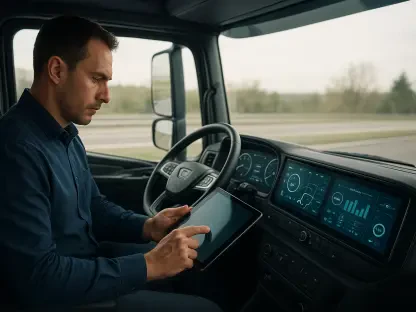

Commercial drivers are increasingly requesting dash cameras and GPS tracking to serve as objective witnesses against false accusations and liability claims. For years, the integration of monitoring technology within the logistics industry was met with skepticism, often viewed as an intrusive oversight that compromised personal privacy. However, the narrative has shifted dramatically as the reality of the 2026 road environment places a higher premium on legal protection and factual clarity. Professional operators now recognize that digital logs and video footage provide an indispensable layer of defense against road rage, fraudulent insurance claims, and staged accidents. This evolution reflects a broader cultural acceptance of data-driven safety, where the benefits of having an unbiased record far outweigh the concerns of being observed. As the industry grapples with rising insurance premiums and litigation costs, these technological tools have become the most reliable allies for drivers seeking to safeguard their careers and reputations.
Digital Witnesses: The Case for Personal Security
Recent industry data underscores a significant transformation in driver sentiment, with over three-quarters of commercial professionals now reporting that the safety benefits of GPS tracking and dash cameras far exceed any potential loss of privacy. This change is fundamentally driven by a practical need for defensive tools that can provide immediate exoneration during insurance claims or legal disputes. In the high-stakes environment of 2026, the prevalence of aggressive litigation and the threat of catastrophic liability verdicts have made evidence-based defense a top priority for individual contractors and large-scale fleets alike. By maintaining a digital record of their surroundings and driving behavior, operators can quickly clear their names when faced with unfair allegations or roadside incidents. This shift in sentiment is not merely about compliance but about professional empowerment, as drivers leverage modern technology to maintain a level of autonomy that was previously vulnerable to subjective interpretation by external parties.
The transition of dash cameras from monitoring tools into protective assets is further supported by evidence showing that nearly half of all surveyed logistics professionals have already utilized digital footage to successfully resolve a dispute. Beyond simple visual recording, modern telematics systems analyze braking patterns, acceleration speeds, and lane positioning to provide a comprehensive picture of a driver’s performance. This technical granular detail is increasingly requested by the drivers themselves, who understand that a clean digital record can serve as a powerful resume builder and a shield against liability. Consequently, the conversation within the industry has moved away from anxiety regarding surveillance and toward a demand for robust systems that have the driver’s back. This evolution marks a definitive end to the era of privacy-related resistance, as the focus settles on the undeniable value of having an objective, digital witness present during every mile of the journey, ensuring that truth prevails.
Organizational Culture: Strategy and Future Resilience
A company’s commitment to safety has become a deciding factor for driver retention and recruitment, with female drivers particularly standing out as strong advocates for in-cab security. Women in the industry show a near-unanimous preference for safety tools over privacy, placing a high premium on the objective validation these devices provide during solo routes or overnight shifts. This demographic shift highlights the role of technology as a personal security feature that attracts a more diverse workforce to the logistics sector. Furthermore, a robust safety culture, supported by formal and documented programs, signals to all drivers that an employer is willing to invest in their protection. When safety initiatives are clearly defined and communicative, drivers are more likely to feel supported by management, fostering a sense of loyalty and a belief that the company truly prioritizes their well-being. This reputation for technological transparency also extends to the consumer, with clients increasingly selecting providers.
The industry successfully navigated the complexities of modern logistics by prioritizing a shift toward financial incentives and performance-based safety rewards. Organizations that implemented these merit-based systems observed a measurable decrease in preventable accidents and a significant rise in driver satisfaction. Experts established that consistent leadership and the clear communication of safety goals were the most effective catalysts for maintaining high standards during demanding operational cycles. These strategic leaders recommended that companies continue to invest in predictive analytics to anticipate road hazards before they occur. Furthermore, the development of transparent data-sharing policies ensured that drivers remained confident in the purpose of their onboard technology. By focusing on these actionable frameworks, the transportation sector fostered a resilient workforce capable of meeting the rigorous demands of the road. This approach transformed safety technology into a foundational element of professional growth.