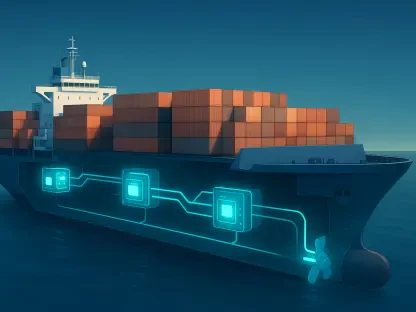

The heartbeat of European commerce pulses through the intricate network of highways that connect the Atlantic coast of Ireland to the industrial hubs of the deep continent. Road transport acts as the fundamental circulatory system of the global economy, providing the vital movement of essential goods across various international borders. In Ireland, the sector remains defined by a dense fabric of small and medium-sized enterprises that carry the burden of geographic isolation while bridging the physical gap to mainland Europe. As the nation currently assumes the Presidency of the Council of the European Union, the opportunity to synchronize market operations with evolving safety standards and economic pressures has reached a critical zenith.
Strategic geography dictates that Irish hauliers must be more resilient than their landlocked counterparts, navigating both maritime links and extensive road networks. The industry is currently balancing a delicate transition between traditional diesel-reliant fleets and an accelerating push toward a digital, interconnected ecosystem. Ireland’s leadership in the European Council is not merely a diplomatic formality; it is a vital chance to harmonize the interests of diverse market players. By managing the influence of global economic shifts and advocating for practical safety regulations, Ireland can ensure the continent’s logistical success remains uncompromised during a period of significant change.
Navigating the European Logistics Landscape: A Pillar of Economic Stability
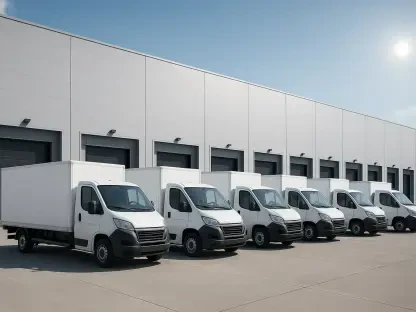
The road haulage industry serves as a foundational pillar for economic stability, ensuring that supply chains remain uninterrupted despite global uncertainties. In Ireland, the high concentration of small and medium-sized enterprises creates a unique operational landscape where agility is a necessity for survival. These operators are responsible for the vast majority of freight movement, making their viability synonymous with national and continental economic health. However, the current environment is defined by a complex struggle to maintain profitability while facing the mounting costs of modernizing infrastructure.
Recent operational shifts have seen a move away from isolated transport toward integrated logistics models. This evolution requires a higher degree of cooperation between different stages of the supply chain, from the warehouse to the final delivery point. Ireland’s position as a gateway to the European market allows it to set a standard for how island nations integrate with the broader Union. Through focused policy during its Presidency, the country can champion initiatives that reduce bottlenecks and streamline the flow of goods, thereby reinforcing the stability of the entire European marketplace.
Driving Forces and Market Projections for a New Era
Emerging Trends in Sustainable Logistics and Digital Integration
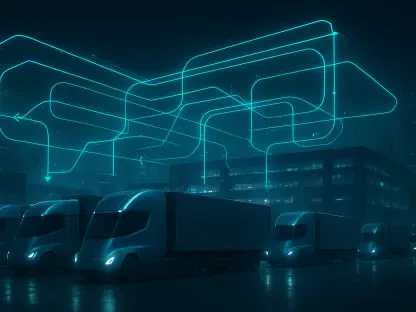
The industry has entered a phase of aggressive modernization where the pursuit of carbon neutrality meets the precision of advanced logistics technology. Consumer expectations for rapid e-commerce delivery have shifted from a luxury to a baseline requirement, forcing hauliers to rethink traditional routing and scheduling. This demand is driving the adoption of real-time tracking systems and sophisticated data analytics to minimize empty runs and maximize vehicle utilization. Digital integration is no longer an optional upgrade but a fundamental requirement for staying competitive in a crowded market.
Furthermore, the transition toward zero-emission vehicles has become a primary market driver rather than a secondary environmental goal. Businesses are increasingly aligning their operations with ambitious European climate targets to satisfy both regulatory requirements and investor demands. The shift involves not only the acquisition of new hardware but also the total reorganization of maintenance and fueling protocols. This green transition is fundamentally altering the cost structure of road haulage, necessitating new financial strategies to manage the initial capital expenditure required for electric and hydrogen-powered trucks.
Quantifying Growth: Performance Indicators and Future Forecasts
Market projections for the period from 2026 to 2028 indicate a resilient outlook for road transport, with steady growth expected as intra-European trade expands. Performance indicators suggest that the real value in the coming years will be found in specialized logistics services and the use of higher-capacity vehicles. These assets allow for better economies of scale and help offset the rising costs associated with labor and energy. Forward-looking forecasts highlight a shift where the successful operators will be those who provide comprehensive, data-driven supply chain solutions rather than simple transit.
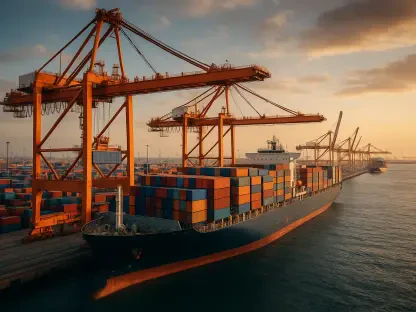
For Ireland, leveraging its strategic position to pilot these logistical advancements could result in a significant competitive advantage. Investment in port infrastructure and inland hubs is expected to keep pace with the technological evolution of the vehicles themselves. If these trends continue, the Irish haulage sector will likely see an increase in its share of high-value freight movement. This growth, however, depends on the ability of the industry to remain adaptable in the face of shifting global trade routes and potential economic volatility within the eurozone.
Overcoming Systemic Obstacles and Economic Volatility
The road haulage sector is currently navigating a perfect storm of challenges, most notably the extreme volatility of global fuel prices. For many smaller operators, fuel represents the largest single variable cost, and sudden spikes can immediately threaten liquidity and business continuity. This financial precarity is often hidden beneath the surface of steady demand, yet it remains a constant source of stress for fleet managers. Without a stable energy market or significant financial buffers, many family-owned businesses remain vulnerable to external shocks beyond their control.
This pressure is exacerbated by a chronic culture of late payments, where hauliers are frequently expected to carry significant upfront costs. Operators must fund wages, fuel, tolls, and maintenance long before they receive reimbursement from their corporate clients. This imbalance in bargaining power creates a systemic cash-flow problem that prevents reinvestment in new technologies. To address this, industry bodies are advocating for more robust legal protections that would ensure timely payments and provide a financial safety net for the essential workers of the logistics world.
The Regulatory Framework: Harmonizing Standards Across Borders
Legislative updates are currently redefining the operational boundaries of the haulage industry, with the revision of the EU Weights and Dimensions Directive taking center stage. This regulation is critical for ensuring that zero-emission trucks are not commercially disadvantaged by the weight of their batteries. Without an increase in allowable weight limits, these cleaner vehicles would be forced to carry less cargo, making them less efficient than traditional diesel trucks. Ireland’s leadership is vital in securing a framework that allows for technical innovation without compromising road safety or infrastructure integrity.
Compliance remains a cornerstone of the industry, with strict standards governing everything from driver working hours to carbon emission reporting. The goal of current regulatory efforts is to create a level playing field where all operators adhere to the same high standards of security and environmental responsibility. Harmonizing these rules across the diverse Member States of the European Union is a complex task that requires a delicate balance of local needs and continental goals. A successful regulatory environment will be one that fosters innovation while protecting the welfare of the drivers and the safety of the public.
Innovations and Disruptors Shaping the Next Decade
Looking ahead, the industry is poised for a technological revolution centered on hydrogen fuel cells and autonomous platooning systems. These innovations are designed to extend the range of zero-emission transport and improve the aerodynamic efficiency of long-haul convoys. As battery technology improves and charging infrastructure expands, the reliance on internal combustion will continue to fade. Furthermore, the integration of decentralized freight platforms is changing how shipments are matched with available truck space, potentially disrupting traditional brokerage models and increasing the efficiency of the entire network.
To support these high-tech advancements, the industry must also modernize its approach to driver training and recruitment. The persistent labor shortage is a major bottleneck that can only be solved by making the profession more accessible and attractive to a younger generation. This involves moving toward a curriculum that includes digital literacy and technical management of automated systems. By transforming the image of the truck driver into that of a high-tech mobility specialist, the industry can secure the talent necessary to operate the advanced fleets of the future.
Strategic Recommendations for a Resilient Transport Future
The strategic path for a resilient haulage future was solidified through a focus on financial stability and regulatory clarity. Experts emphasized that the implementation of a mandatory 30-day payment rule was the single most effective tool for protecting small businesses from economic shocks. This measure provided the immediate liquidity necessary for hauliers to cover their operational costs without taking on unsustainable debt. Policymakers also recognized that increasing weight allowances for zero-emission vehicles was a necessary step to remove the final barriers to green adoption, ensuring that environmental progress did not result in a loss of cargo efficiency.
By prioritizing these structural reforms, the industry moved toward a more sustainable model that protected the integrity of European supply chains. Negotiations between the Irish government and European institutions established a framework that balanced environmental responsibility with the hard realities of the road. This approach successfully integrated new technologies into the daily lives of operators, proving that digital and green transitions were possible when supported by practical legislation. The resulting stability allowed for increased investment in the workforce and infrastructure, ultimately securing a prosperous future for the logistics sector across the continent.