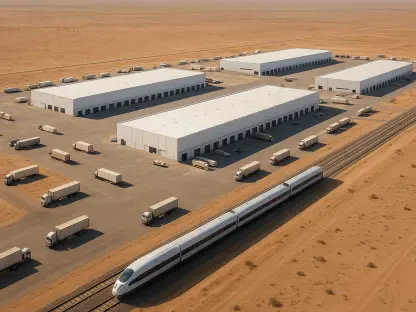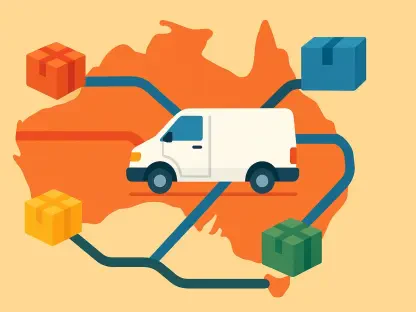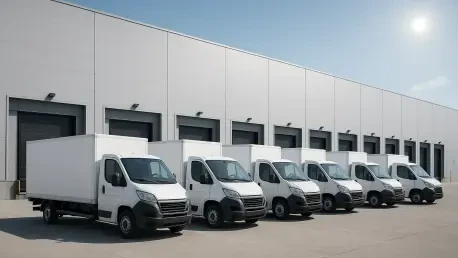

Succeeding in the American commercial landscape requires far more than simply shipping a quality product across an ocean; it necessitates a sophisticated logistical backbone that can navigate the massive distance between foreign factory floors and the doorstep of an expectant consumer. The United States offers a premier destination for global brand scaling, yet the sheer physical size and complexity of its infrastructure demand a level of local expertise that few international companies can manage independently. Over the past several years, the logistics landscape has transformed into a high-tech ecosystem where third-party logistics providers act as the primary engines of growth.
The Strategic Evolution of U.S. Third-Party Logistics and Supply Chain Integration
The American logistics sector has moved away from traditional asset ownership toward a more flexible logistics-as-a-service model. In the current environment, successful international brands no longer prioritize owning massive warehouses or managing private truck fleets. Instead, they leverage outsourced supply chain management to gain immediate access to established networks. This shift allows foreign entities to focus entirely on product innovation and brand development while the third-party partner handles the heavy lifting of physical movement.
Bridging the gap between overseas manufacturing and the American consumer requires a deep understanding of domestic demand patterns. A third-party logistics provider serves as the vital link, ensuring that inventory is staged correctly to meet the high expectations of a market accustomed to near-instant gratification. This integration is particularly crucial for navigating the nuances of the domestic consumer base, which values reliability and speed above almost all other purchasing factors.
Modern logistics management now encompasses two distinct but equally important pillars: business-to-business inventory movement and direct-to-consumer fulfillment. Third-party logistics firms excel at balancing these needs, utilizing advanced automated sorting and real-time tracking to maintain visibility across the entire supply chain. Sophisticated warehouse management systems allow international brands to monitor their stock levels from thousands of miles away, ensuring that every movement is documented and every order is accurate.
Market Dynamics and the Trajectory of Logistics Outsourcing
Emerging Trends and the Shift Toward Asset-Light Expansion
Consumer behavior in 2026 continues to push the boundaries of delivery speed, with two-day and same-day windows becoming the standard rather than the exception. To meet these targets, international companies are increasingly adopting asset-light expansion strategies that utilize existing regional networks. This approach minimizes the risk of over-extension and allows for rapid scaling into new American territories without the burden of long-term real estate leases.
Value-added services have become a differentiator for providers looking to offer more than just storage. Services such as rainbow palleting, customized kitting, and localized product assembly allow brands to modify their offerings for the American market without altering the primary manufacturing process abroad. These localized adjustments ensure that products meet domestic packaging preferences and retail requirements, further smoothing the entry process.
Furthermore, the focus on sustainability has reached the logistics sector, with providers integrating greener practices into reverse logistics and return management. Efficiently handling returns is no longer just a financial necessity but a core component of brand reputation. Regional distribution hub strategies have evolved to place inventory closer to the final destination, significantly reducing the carbon footprint associated with long-haul transportation across the continent.
Statistical Performance Indicators and Growth Forecasts
The financial transition from fixed capital expenditures to variable operating expenses represents one of the most significant benefits of outsourcing. By utilizing a third-party logistics provider, an international brand can scale its costs exactly in line with its sales volume. This flexibility is vital during the initial entry phase when market demand might fluctuate, as it prevents the company from being locked into expensive, underutilized infrastructure.
Economies of scale are another major factor driving the reliance on third-party providers. These logistics specialists manage massive shipping volumes, allowing them to secure significant carrier discounts that an individual foreign entity could never achieve on its own. From 2026 to 2028, the sector is expected to see continued growth in cross-border trade, with third-party logistics providers capturing an even larger share of the international inflow.
The staffing burden is a hidden cost that often catches foreign companies off guard. Outsourcing the human resource liabilities associated with warehouse management—including recruitment, training, and compliance with American labor regulations—removes a significant administrative weight. This allows the parent company to maintain a lean domestic team while still benefiting from a large, professionalized workforce managed by their logistics partner.
Navigating the Logistical and Geographic Complexities of North America
Managing the logistics of the Lower 48 states is a challenge in itself, but the difficulty increases exponentially when considering remote territories like Alaska, Hawaii, and Puerto Rico. These regions require specialized shipping routes and localized knowledge to avoid excessive delays. A third-party logistics provider with a decentralized inventory placement strategy ensures that goods are staged near these outlier markets, preventing them from becoming a drain on overall profitability.
Fragmented regional markets across the United States demand a tailored approach to inventory distribution. A single warehouse on one coast is rarely sufficient to serve the entire country efficiently. By utilizing a network of strategically located centers, brands can overcome the last-mile delivery hurdle, which remains the most expensive and complex part of the journey. This is true for both dense urban environments and the sprawling rural landscapes that characterize much of the American interior.
High return rates in the American market present another logistical hurdle that requires a sophisticated reverse logistics framework. Consumers expect a seamless, hassle-free return process, and failing to provide one can lead to immediate brand erosion. Specialized providers manage this entire cycle, from receiving the returned item to inspecting it for resale or recycling, ensuring that the brand remains efficient even when products are coming back up the supply chain.
The Regulatory Framework and Tax Optimization Strategies
Understanding the tax nexus is perhaps the most critical legal challenge for any foreign entity entering the United States. Establishing a physical presence through owned warehouses can trigger complex tax obligations at both the federal and state levels. A third-party logistics partnership can often help mitigate these risks by providing the necessary infrastructure without the same level of direct legal exposure that comes with owning property in multiple jurisdictions.
Foreign-Trade Zones play a pivotal role in modern trade by allowing companies to defer duties and manage tariff inversion. Storing goods in these zones provides a significant financial advantage, as taxes are only paid when products enter the domestic market for sale. This strategy is particularly effective for managing large inventories and can lead to substantial savings over time, especially when dealing with complex international trade policies.
Compliance with the Fair Labor Standards Act and the myriad of state-level employment regulations is a full-time requirement for any operator on American soil. Third-party logistics providers take on this compliance burden, ensuring that all warehouse operations meet the highest standards of safety and legal fairness. This protection is invaluable for international brands that may not be familiar with the intricacies of American labor law or the risks associated with non-compliance.
Security measures and data privacy requirements have also become more stringent as supply chains become more digitized. U.S. Customs and Border Protection standards require meticulous documentation for every international shipment. Modern logistics providers utilize encrypted systems to manage this documentation, protecting sensitive information while ensuring that all goods flow smoothly across the border without getting caught in regulatory bottlenecks.
The Future of Global Trade Integration and Technological Disruption
Artificial intelligence and predictive analytics are currently reshaping how brands forecast inventory and position their stock. By analyzing historical data and emerging market trends, these technologies allow third-party logistics providers to anticipate demand shifts before they happen. This proactive approach reduces the risk of stockouts and overstocking, ensuring that capital is always deployed in the most efficient manner possible.
Potential disruptors like autonomous freight and drone delivery are moving from experimental stages to real-world application in the American market. While these technologies are still maturing, they promise to further reduce delivery times and lower transportation costs in the coming years. International brands that are already partnered with forward-thinking logistics providers will be the first to benefit from these advancements as they become more widespread.
The shift toward hyper-local fulfillment centers is expected to continue as consumer preferences evolve. These smaller, more agile centers allow for even faster delivery times by keeping high-demand items just miles away from the customer. As global economic shifts and trade policy volatility continue to impact the way goods move around the world, the reliance on specialized local expertise will only increase, making these partnerships a cornerstone of long-term success.
Conclusion: Securing Competitive Viability in the American Market
The decision to partner with a U.S. third-party logistics provider was historically viewed as a matter of convenience, but it eventually became a fundamental requirement for any international brand serious about North American expansion. These partnerships functioned as a critical pillar for mitigating entry risk and preserving essential capital during volatile market shifts. It was the specialized support and financial agility provided by these experts that ultimately drove the success of many foreign entities in a crowded marketplace. By prioritizing these collaborations, companies successfully overcame domestic competitive advantages and established a permanent presence. The necessity of local expertise proved to be the determining factor in ensuring long-term sustainability and growth within the United States. Moving forward, the focus must shift toward deeper technological integration and even more localized distribution strategies to maintain this edge. Establishing these relationships early was the most effective way to secure a future in the world’s most dynamic consumer market.