
A core strategic finding from the transformation journey is that the physical asset is only half the battle, as employees must also understand the rationale behind new practices. This realization sits at the heart of Pos Malaysia’s current push to redefine its identity within an increasingly competitive digital landscape. After more than two centuries of operating as a traditional postal service, the company is now navigating a fundamental metamorphosis that seeks to blend heritage with cutting-edge technology. The transition from manual sortation and fuel-heavy transportation to a data-centric, “intelligent” logistics ecosystem is a massive undertaking. By integrating electric vehicles, artificial intelligence, and autonomous mobility into its daily operations, the organization is building a connected network designed for operational efficiency. This shift represents a move away from seeing technology as a series of isolated gadgets and instead treating it as the foundational nervous system of a modern logistics powerhouse.
Financial Recovery: Investing in Infrastructure
The urgency of this organizational shift is fueled by a pressing need for financial stabilization and sustained growth following a period of economic headwinds. Recent performance indicators for the first half of 2026 suggest a positive shift, with revenue increasing by over 8% to approximately $240 million and parcel volumes surging by a remarkable 34.3%. This fiscal momentum has allowed the company to narrow its pre-tax losses by 30.6% and generate positive operating cash flow for the first time in several years. Such financial health provides the essential capital required to move beyond software prototypes and into the heavy physical deployment of advanced infrastructure. By securing this economic base, the company ensures that its modernization efforts are not merely temporary experiments but are instead permanent fixtures of a revised business model that emphasizes commercial viability alongside technical innovation in the competitive Southeast Asian delivery market.
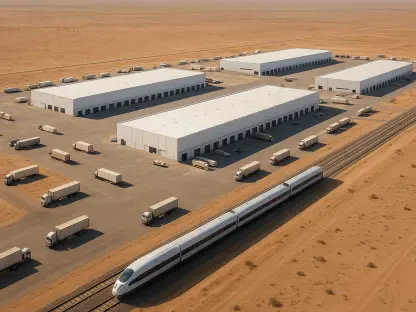
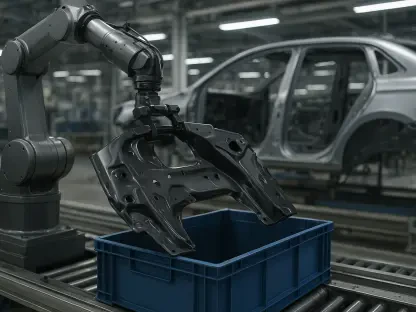
As the company stabilizes its balance sheet, the focus has shifted toward building a robust infrastructure capable of supporting high-volume parcel demands through automation. This involves not only upgrading digital interfaces but also investing heavily in the physical hardware of logistics, such as high-speed sorting systems and mechanized conveyor belts. By aligning technological growth with financial recovery, the organization ensures that every piece of new equipment contributes directly to long-term profitability. This practical approach prevents the pitfalls often associated with rapid digitization where costs spiral without a clear return on investment. The current strategy prioritizes projects that reduce manual handling times and increase throughput at regional distribution hubs. This transition allows the company to handle the recent surge in e-commerce demand while maintaining the lean operational profile necessary for a legacy carrier to compete with younger, tech-native rivals.
The Intelligent Fleet: Telematics and Connectivity
A visible pillar of this modernization is the comprehensive deployment of telematics across a fleet of more than 2,200 vehicles operating nationwide. These sophisticated systems offer real-time visibility into vehicle locations, driver habits, and the overall efficiency of delivery routes, allowing for a level of oversight previously impossible in the manual era. By gathering and analyzing this data, the company transforms its vehicles into intelligent operating assets rather than simple transportation tools. This connectivity allows management to intervene immediately when inefficiencies or delays arise, ensuring the entire delivery network remains fluid and responsive. The granular data provided by these systems also supports a broader strategy of route optimization, which reduces fuel consumption and improves the speed of last-mile deliveries. In this way, every van and truck becomes a mobile data point that contributes to the collective intelligence of the logistics chain.
Furthermore, the extensive data collected via telematics enables a critical transition toward predictive maintenance, moving away from a reactive repair model. Onboard sensors can now identify potential mechanical failures or battery degradation before they lead to costly vehicle downtime or significant delivery delays. This level of foresight is a prerequisite for an orchestrated network where every asset, whether it is a small electric van or a heavy-haul truck, communicates its status to a central intelligence layer. By preempting mechanical issues, the organization minimizes the disruption to its tight delivery schedules and maximizes the utilization of its expensive hardware. This synchronization ensures that the logistics chain remains resilient even during peak seasons when fleet availability is paramount. The result is a more reliable service for customers and a more manageable workload for the fleet operations teams who can now plan repairs based on actual wear and tear data.
Operational Redesign: The Shift to Electrification
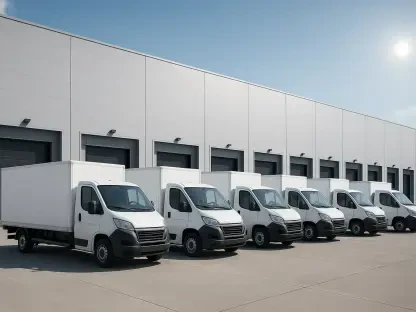
The organization now operates the largest electric delivery fleet in Malaysia, with over 1,500 units in service, viewing electrification as a core operational strategy. Transitioning from internal combustion engines to electric vehicles (EVs) required a complete redesign of the company’s operating model to account for different range capacities and maintenance needs. Since 2023, these vehicles have covered over 30 million kilometers across both Peninsular and East Malaysia, proving their reliability in diverse tropical conditions. Managing the total cost of ownership has been central to this effort, as the initial capital expenditure for EVs is balanced against the lower long-term fuel and maintenance costs. This program is not just about adopting a cleaner fuel source; it is about reinventing the delivery process to be more sustainable and cost-effective. Today, one out of every three parcels is delivered via an electric vehicle, marking a significant milestone in the company’s green journey.
The success of this electrification program is reflected in the avoidance of nearly 3,900 tonnes of carbon emissions, proving that environmental goals can align with high throughput. Integrating charging periods into tight delivery schedules was a logistical challenge that required the development of specialized fleet management software. This software monitors battery health in real-time and ensures that vehicles are charged during off-peak hours to reduce energy costs. For the organization, the electric fleet represents a blend of modern technology and responsible corporate citizenship that enhances the brand’s resilience in a low-carbon economy. This shift has also improved the driver experience, as electric vehicles are typically quieter and easier to handle in congested urban environments. By demonstrating that EVs can handle the rigors of heavy-duty logistics, the company has set a benchmark for other regional players looking to decarbonize their operations without sacrificing speed.
Human Adaptation: Workforce Readiness and Trials
Technology cannot succeed without human buy-in, and the organization recognizes that its workforce is the most critical component of any digital upgrade. The company has invested heavily in training and internal communication to ensure that drivers and hub workers understand the purpose behind new digital tools. By focusing on the ability of the workforce to adapt, the company reduces the risk of innovation friction, ensuring that staff members are effective operators of new systems. This human-centric approach involves regular workshops and feedback loops where employees can suggest improvements to the software they use daily. When workers see that technology is designed to make their jobs easier rather than more complicated, adoption rates soar and the return on investment is realized much faster. This cultural transformation is as important as the hardware itself, as it creates a more agile and forward-thinking environment where employees are prepared for the next wave of change.
In addition to human-led improvements, the company is cautiously exploring the potential of autonomous logistics through a series of specific trials. Recent three-month experiments with Level 4 autonomous vehicles have shown that driverless technology is best suited for repetitive, high-volume point-to-point movements. These predictable routes between sorting hubs allow the company to reduce human error and free up professional drivers for more complex last-mile tasks that require human judgment. The trial utilized fully electric autonomous units, further reducing the carbon footprint of middle-mile logistics while gathering data on safety and reliability. By collaborating with regulators and technology partners, the company ensures that autonomy is only expanded where the safety and commercial benefits are undeniable. This measured approach prevents the hype surrounding autonomous tech from distracting the organization from its core mission of providing reliable and affordable delivery services.
System Architecture: Orchestrating the Future
The digital glue holding this entire network together is a technical architecture defined by interoperability and the use of open standards. By prioritizing technologies with open APIs and common data formats, the organization avoids being locked into a single vendor’s proprietary ecosystem. This flexibility allows the company to replace or upgrade specific components of its network without needing to rebuild the entire system from scratch. While high-performance 5G connectivity and the Internet of Things act as facilitators for real-time telemetry, the goal is to use a mix of technologies to process data where it is needed. This includes edge computing on the vehicles themselves for immediate decision-making and cloud-based systems for long-term strategic analysis. This modern architecture ensures that the company can scale its operations quickly as market conditions change. It also allows for the seamless integration of future innovations, such as advanced robotics or blockchain tracking.
The ultimate vision for this modernization effort was the creation of a fully orchestrated network that operated with minimal manual intervention. In this state, an intelligent system dynamically determined the most efficient path for every parcel by analyzing variables like delivery demand, traffic, and battery levels. While this total orchestration remained a long-term target, the current roadmap successfully utilized existing digital building blocks to return the company to a path of profitability. Leadership focused on solving genuine operational problems through the lens of technology, positioning the organization as a leader in resilient logistics. Moving forward, the company prioritized expanding its autonomous trials to more urban centers and increasing the density of its charging infrastructure. These actions represented a definitive shift from a traditional carrier to a tech-logistics powerhouse capable of thriving in the digital age. This strategy provided a blueprint for other legacy industries to navigate the complex challenges of modernization.