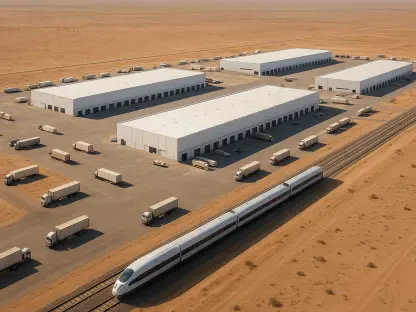

The sheer verticality of modern industrial architecture is redefining how global trade centers operate, particularly in dense urban landscapes like Shenzhen where every square inch of earth is a contested asset. As global supply chains face increasing pressure for speed and reliability, the evolution toward integrated road-rail-sea transport networks has become a necessity rather than a luxury. Shenzhen sits at the heart of this transformation, acting as a strategic node within the Guangdong-Hong Kong-Macao Greater Bay Area. By adopting the revolutionary concept of a logistics park over a railway, the city is pioneering a structural shift that maximizes land value without disrupting essential transit.
The Pinghunan Integrated Logistics Hub serves as the definitive benchmark for this three-dimensional land utilization, proving that even the most congested cities can expand their industrial capacity. This metamorphosis of a once-dilapidated and largely abandoned railway freight yard into a cutting-edge powerhouse is not merely a renovation but a structural revolution. The core innovation lies in a dual-layer operational model where the ground level is preserved for traditional railway operations, while the air rights above the tracks are developed into a multi-story complex of smart warehouses. By expanding upward, the project has successfully conserved over 20 hectares of land, effectively maximizing the output value of the existing railway footprint.
The Evolution of High-Density Logistics and Multimodal Infrastructure
The global logistics landscape is witnessing a decisive shift as major trade hubs transition from isolated transport modes to highly integrated networks. This integration is particularly vital in the Greater Bay Area, where the demand for sea-rail-road synchronization has reached a fever pitch. Shenzhen’s strategic response involves the creation of infrastructure that serves as a physical bridge between maritime routes and inland rail systems. The ability to move cargo seamlessly across different transport platforms is now the primary metric of success for any modern metropolitan trade node.
Furthermore, the concept of building over active transit lines represents a transformative approach to urban density. By utilizing the vertical space above the Pinghunan rail yard, planners have created a facility that fulfills the requirements of a high-volume logistics park without requiring the demolition of existing neighborhoods or the conversion of green spaces. This “logistics park over a railway” model is an efficient solution to the urban land crisis, turning a single-use industrial site into a multi-layered ecosystem that supports both local distribution and international trade flows.
Technological Frontiers and Market Momentum in Smart Warehousing
Digitalization and Precision Engineering Trends
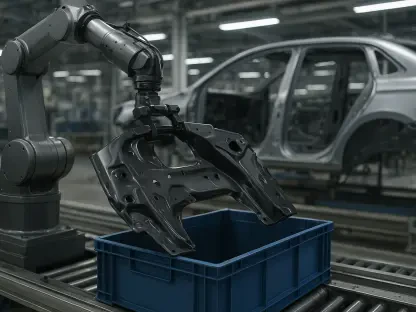
The shift from traditional freight yards to digitalized, three-dimensional ecosystems represents a fundamental realignment of engineering and logistics. The implementation of Building Information Modeling (BIM) allows for virtual assembly simulations that precede any physical labor, ensuring every massive steel component fits perfectly within the structural puzzle. By utilizing real-time stress monitoring and digital acquisition, engineers maintain absolute control over the structural integrity of the facility. This precision engineering sets the stage for the next phase of development, which involves the integration of automated sorting systems that will redefine the speed of cargo movement across the continent.
Every structural element is treated as a smart component in this ecosystem, with each steel column and beam assigned a unique QR code. These codes store critical parameters, including dimensions, weight, and precise installation coordinates, creating a comprehensive digital map for construction. This navigation system for materials ensures that deviations are kept under a strict three-millimeter threshold, maintaining a 100 percent qualification rate. Such attention to detail is necessary when constructing over active railway lines where safety is paramount for the millions of tons of cargo passing through the facility each year.
Growth Projections and Economic Performance Indicators
With a total investment of 9.04 billion yuan, the financial commitment to this infrastructure is a testament to its projected regional value. Economic indicators suggest a transformative impact on the Greater Bay Area, with an annual processing capacity forecasted to reach 1.4 million TEUs. This scale of operation is expected to drive a 30 percent increase in regional logistics efficiency through the seamless integration of smart technologies. Moreover, the reduction in overall logistics costs by an anticipated 20 percent will likely provide local manufacturers and exporters with a significant competitive advantage.
The impact of this investment extends beyond immediate cargo throughput; it revitalizes the entire regional industrial value chain. By streamlining the connection between rail lines and maritime ports, the hub reduces the “last mile” friction that often plagues high-density logistics networks. The current projections for 2026 and beyond indicate that this facility will act as a major economic engine, attracting international shipping firms that prioritize speed and digital transparency. This influx of capital and activity is expected to solidify Shenzhen’s standing as the preeminent multimodal transport center in Asia.
Navigating the Complexities of Vertical Industrial Expansion
Constructing a massive steel framework over active transit lines presents engineering hurdles that would have been insurmountable just a few years ago. Overcoming land scarcity in high-density urban environments requires a level of precision that leaves no room for error. The engineering team must maintain a three-millimeter threshold across millions of square meters of assembly while coordinating with active rail schedules. This strategy involves balancing heavy railway operations on the ground level with high-capacity smart warehousing on the upper levels, ensuring neither function is compromised during or after the building process.
Moreover, the sheer physical scale of the hub requires a massive steel framework utilizing more than 140,000 tons of steel. The logistical challenge of hoisting these materials into place without disrupting existing traffic flow has necessitated specialized equipment and nocturnal work schedules. To manage this, the project team employed advanced digital tracking to monitor the position of every beam in real time. This approach not only ensures structural stability but also minimizes the vibration impact from passing trains on the sensitive automated equipment stored in the upper-level warehouses.
Governance and Standards in Modern Supply Chain Infrastructure
The regulatory landscape has had to evolve alongside these physical structures to address the unique legal challenges of air rights and three-dimensional land use. New frameworks now govern how space above public infrastructure is allocated and managed, ensuring that private industrial interests do not compromise public safety. Safety standards for integrating massive logistics hubs with rail networks are now more stringent than ever, focusing on structural integrity and disaster mitigation. These protocols align with national mandates for digitalization, ensuring state-led investments result in a modernized supply chain that can withstand global economic fluctuations.
In addition to safety, compliance with digitalization mandates has become a cornerstone of project governance. Regulatory bodies now require real-time data sharing between logistics hubs and national transport networks to optimize traffic flow and security. This transparency allows for a higher level of oversight regarding structural integrity and cargo safety. By setting these high standards, the project provides a blueprint for future infrastructure developments that prioritize digital compliance as much as physical durability. This governance model ensures that the hub remains a safe, reliable, and efficient node within the global supply chain for years to come.
Future Horizons for Integrated Multimodal Transport
The Pinghunan Hub represents a new philosophy in sustainable urban logistics, one where the carbon footprint is reduced through shorter transition times between transport modes. As sea-rail intermodal cargo handling becomes more efficient, the potential for global replication of this three-dimensional model grows. Cities with limited land availability may soon look toward Shenzhen for inspiration on how to reclaim industrial land without sacrificing green space. This trend suggests that the future of logistics is not just about moving goods, but about how those movements are integrated into the existing urban fabric to promote long-term sustainability.
In contrast to traditional cargo hubs, this facility integrates green logistics technologies at its core, such as electrified heavy-duty equipment and high-efficiency sorting systems. The impact of global economic conditions on long-term multimodal trade flows remains a consideration, yet the hub’s adaptability provides a buffer against volatility. Innovations in sea-rail intermodal cargo handling ensure that the facility remains at the cutting edge of the industry. This proactive approach to technology ensures that Shenzhen remains a leader in the global logistics network, facilitating smoother trade flows and strengthening its ambition to be a premier logistics node.
Synthesis of Progress and Strategic Outlook for the Logistics Sector
The Pinghunan Hub solidified its role as a catalyst for regional economic momentum by proving that digital intelligence was the primary driver for industrial reclamation. Stakeholders realized that the success of such high-density infrastructure depended on a commitment to precision and a willingness to invest in unproven structural paradigms. The project demonstrated that the collision of traditional rail transport and modern warehousing could be resolved through the smart application of BIM and real-time monitoring. These efforts established a new expectation for industrial output within restricted urban footprints, showing that growth did not always require horizontal expansion.
Moving forward, future investments should prioritize the development of artificial intelligence systems that can autonomously adjust cargo routing based on real-time global demand spikes. Urban planners needed to adopt multi-layered zoning laws that simplified the acquisition of air rights for industrial use in other metropolitan centers. Furthermore, the integration of 5G-enabled sensor networks across all structural joints would ensure the longevity of high-density facilities. This project established a definitive trajectory as a premier global logistics node, offering a blueprint for vertical industrial expansion that other international trade centers had to consider to remain competitive.