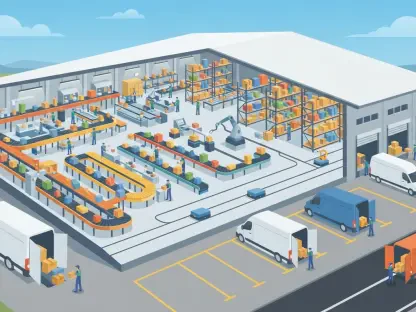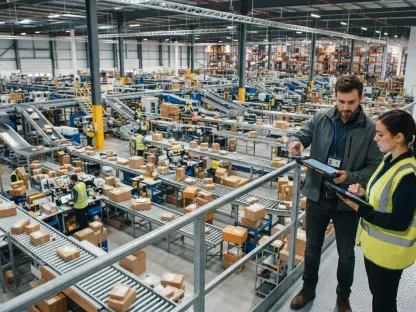

The traditional warehouse has effectively shed its identity as a mere storage vault to emerge as the central nervous system of the entire modern consumer experience. In the current global landscape, these facilities function as active fulfillment hubs where the digital promise of a brand is physically realized. This transition represents a fundamental shift in the logistics industry, moving away from passive inventory holding toward a dynamic, high-velocity model that dictates market success. As e-commerce remains the dominant force in retail, the warehouse has become the most critical physical touchpoint a brand maintains with its customer base, replacing the traditional storefront with a cardboard box and a delivery window.
Global logistics are currently defined by the dominance of third-party logistics providers and in-house fulfillment giants that have set a new standard for operational excellence. These players have successfully integrated sophisticated technology and robust regulatory frameworks to manage labor and safety in ways that were previously impossible. In this environment, the warehouse floor is no longer just a place for manual labor but a sophisticated intersection of robotics, data science, and human expertise. This evolution highlights the strategic necessity of treating fulfillment as a core competency rather than a secondary back-office function.
Evolution of Fulfillment: From Storage Units to Brand Ambassadors
The current state of global logistics reveals a sector that has been completely redefined by the requirements of the digital age. Warehouses have moved from the periphery of the business model to the very heart of brand strategy, acting as the primary engine for customer satisfaction. This shift is driven by the realization that in an increasingly digital retail landscape, the physical delivery of a product is the most significant moment of brand interaction. Consequently, the efficiency of a distribution center directly translates into brand equity, as shoppers equate logistical precision with corporate reliability.
Market players are currently navigating this shift by investing heavily in either sprawling in-house networks or specialized third-party fulfillment partnerships. These entities have moved beyond simple pick-and-pack operations to offer value-added services that enhance the overall customer experience. Technological influences, such as cloud-based management systems and real-time data analytics, have enabled these hubs to scale operations rapidly while maintaining strict compliance with labor and safety regulations. This regulatory framework ensures that the rapid pace of modern fulfillment does not come at the cost of worker welfare or operational integrity.
Dynamics of the Digital Supply Chain
Emerging Trends and the Psychology of Post-Purchase Delivery
Consumer expectations have matured significantly, moving away from a fixation on raw speed toward a demand for absolute reliability and on-time delivery. Modern shoppers view a late or damaged package as a failure of the brand itself, regardless of the challenges faced during the shipping process. This shift in psychology has made the integrity of the shipment a primary driver of long-term loyalty. The unboxing experience now serves as a surrogate for the in-store experience, requiring warehouses to prioritize careful packing and presentation alongside efficiency.
Moreover, the rise of omnichannel mandates like Buy Online, Pick Up In Store has necessitated a one common inventory philosophy. This approach eliminates the silos between different sales channels, ensuring that stock is accessible for any type of order at any time. Maintaining this level of flexibility requires real-time visibility and sophisticated order tracking, which keep the customer informed throughout the journey. By providing transparency, retailers build a foundation of trust that is essential for maintaining customer relationships in a competitive market.
Market Projections and Performance Indicators in Global Logistics
Current data points to a strong correlation between the continued growth of e-commerce and a rising demand for specialized warehouse square footage. As digital penetration increases, the need for localized distribution hubs has surged, particularly in urban areas where last-mile delivery expectations are highest. Performance metrics have also become more granular, with industry leaders focusing on cost per box and order accuracy rates as the ultimate indicators of success. These figures provide a clear picture of how efficiently a facility can turn raw inventory into a delivered product.
Looking at the trajectory from 2026 to 2030, investment trends are heavily favoring warehouse automation and flexible infrastructure that can adapt to shifting consumer patterns. The expansion of micro-fulfillment centers is expected to accelerate, allowing brands to position inventory closer to the end consumer and reduce shipping times. These urban logistics hubs represent a strategic move to optimize the supply chain for speed without sacrificing the accuracy that modern performance indicators demand.
Navigating Structural and Operational Complexities
Retailers are currently facing a triple threat of rising costs driven by international tariffs, fluctuating material prices, and carrier volatility. These economic pressures make internal operational efficiency more important than ever before, as businesses seek to protect their margins without passing costs to the consumer. Addressing these challenges requires a sophisticated approach to warehouse design that incorporates human-centric technology to mitigate the impact of labor shortages. Ergonomic workstations and assistive robotics help maintain productivity levels while ensuring the long-term health of the workforce.
Solving inventory fragmentation across multiple marketplaces and social commerce platforms adds another layer of complexity to daily operations. The warehouse must act as a central clearinghouse that can manage wave picking and seasonal demand spikes with surgical precision. By using advanced software to group orders logically, facilities can handle huge volumes of transactions without compromising on accuracy. This level of operational agility is essential for navigating the complexities of the modern global supply chain.
The Regulatory Landscape and Compliance Standards
International trade policies and evolving tariff structures have a direct and immediate impact on warehouse inventory costs and procurement strategies. Navigating these regulations requires a deep understanding of how global shifts influence the price of goods and the speed at which they can move through the system. Simultaneously, workplace safety regulations, such as those overseen by OSHA, are evolving to include standards for human-robot collaboration. Ensuring that automated systems and human workers can coexist safely is a top priority for facility managers.
Data security and privacy regulations like GDPR and CCPA also play a significant role in how fulfillment centers operate. Shipping software must handle sensitive consumer information with the highest level of security to prevent data breaches that could devastate a brand’s reputation. Furthermore, there is a growing push for green warehousing, with environmental regulations driving the adoption of sustainable packaging and energy-efficient building standards. These initiatives not only satisfy regulatory requirements but also appeal to the increasing number of eco-conscious consumers.
Future Horizons: Innovation as a Competitive Differentiator
The integration of artificial intelligence and machine learning is currently transforming predictive inventory stocking from a theoretical concept into a functional reality. By analyzing vast amounts of historical data, warehouses can anticipate demand surges and position stock before the orders are even placed. Autonomous mobile robots and drone technology are also becoming more prevalent, reducing the dependency on manual labor for repetitive tasks. These innovations allow the human workforce to focus on more complex, high-value activities within the distribution center.
Global economic shifts are also encouraging a trend toward near-shoring, which is relocating the strategic footprint of the modern warehouse closer to the primary market. This movement reduces the risks associated with long-distance shipping and helps businesses maintain a more resilient supply chain. Additionally, the rise of circular economy logistics has made efficient returns management a critical part of the fulfillment process. Mastering reverse logistics is no longer optional; it is a vital component of a comprehensive retail strategy that maximizes the value of every item in the inventory.
Fulfillment as the Final Frontier of Retail Excellence
The transformation of the warehouse into a strategic asset reflected a fundamental shift in the priorities of the retail sector. Decision-makers recognized that the physical fulfillment process served as the ultimate test of a brand’s promise to its customers. By investing in flexible infrastructure and integrated technology stacks, companies moved beyond the limitations of raw square footage to achieve true operational agility. This transition proved that the ability to deliver accurately and reliably was the most potent weapon in the fight for market share.
Successful retailers prioritized the human element alongside automation, ensuring that their fulfillment centers remained resilient in the face of labor challenges. The adoption of green warehousing practices also signaled a commitment to long-term sustainability that resonated with a modern audience. As the logistics landscape became more complex, those who viewed the warehouse as a brand ambassador rather than a cost center emerged as the leaders of the industry. The strategy emphasized that the aisles of the fulfillment center were where the battle for consumer loyalty was truly fought and won.