
The modern supply chain has evolved into a labyrinth of high-stakes precision where a single hour of delay can cost a pharmaceutical giant millions in lost inventory. Global commerce no longer relies on the simple movement of boxes from one warehouse to another; instead, it demands a seamless, data-driven synchronization of air, sea, and land assets. For a legacy giant like United Parcel Service, the transition from being a traditional “small package carrier” to an architect of sophisticated, end-to-end integrated logistics solutions is not merely a strategic choice but a necessity for survival. This pivot represents a fundamental departure from the volume-heavy models of the past decade, signaling a future where intelligence and margin take precedence over sheer delivery count.
The Great Logistics Transformation: Beyond Simple Parcel Delivery
The shift toward integrated logistics reflects a broader change in how value is perceived in the global economy. While traditional parcel delivery functioned as a commodity service, the new model focuses on complex problem-solving for industrial clients. This transformation requires a departure from the “hub and spoke” systems that prioritized residential e-commerce and toward a network that can handle high-touch, high-value goods. By repositioning itself, a major carrier can capture a larger share of the value chain, moving from a vendor role to that of a strategic partner.
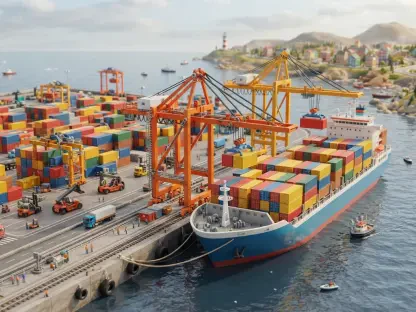
This global scope is particularly vital for supporting industrial and healthcare sectors that operate on razor-thin timelines and stringent quality controls. For instance, moving specialized medical equipment across borders requires more than just a truck; it necessitates climate-controlled environments and real-time tracking that ensures the integrity of life-saving products. As global trade routes become more fragmented, the ability to offer a unified solution that covers every mile of the journey becomes a significant competitive advantage.
Digital transformation sits at the heart of this evolution, fueled by the deployment of “Intelligent Networks” that leverage data to predict disruptions before they occur. These systems allow players to move goods across borders with a level of visibility that was previously impossible. By utilizing advanced algorithms to optimize routing and warehouse placement, logistics firms can minimize waste and maximize the speed of delivery, effectively turning data into a tangible asset.
The competitive landscape is currently being reshaped by a collision of traditional rivals and low-cost e-commerce disruptors. While legacy players hold the advantage in physical infrastructure, nimble tech-based startups are attempting to pick off the most profitable segments of the last-mile delivery market. Furthermore, shifting international trade regulations and the rise of near-shoring are forcing all participants to reconsider their geographic footprints to maintain efficiency.
Strategic Realignment and the Pursuit of High-Margin Growth
Evolution of the “Intelligent Network” and Global Standardization
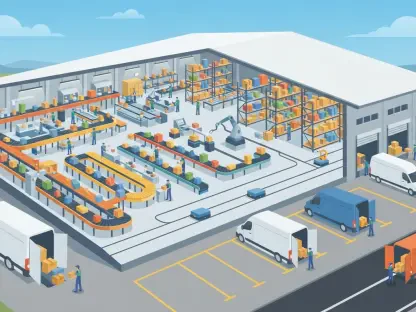
The integration of air, ground, and engineering operations into a singular, responsive supply chain is the cornerstone of modern logistics efficiency. By breaking down the barriers between different modes of transport, a company can create a unified system that reacts dynamically to changes in demand. This standardization ensures that a package handled in London follows the same rigorous protocols as one in Singapore, providing a consistent experience for international clients who require reliability above all else.
Moving toward standardized global processes allows for a unique combination of massive scale and local agility. When operational silos are eliminated, information flows more freely, allowing for better resource allocation and a reduction in redundant costs. This technological cohesion is essential for eliminating the inefficiencies that often plague large-scale organizations, leading to improved service reliability that high-margin clients are willing to pay a premium for.
Market Forecasts and the Pivot Toward Premium Value Segments
Growth projections for specialized sectors are driving the current strategic pivot, with the $12 billion healthcare logistics market standing out as a primary target. The rising demand for temperature-sensitive shipping, driven by the global expansion of biologics and specialty pharmaceuticals, offers a lucrative opportunity for those with the right infrastructure. This segment provides the kind of stable, high-margin revenue that e-commerce delivery often lacks.
In contrast to the volatile nature of consumer spending, the small and medium-sized business (SMB) segment is proving to be a resilient driver of revenue growth. These businesses often require the sophisticated logistics capabilities of a large corporation but lack the resources to build them internally. By offering tailored solutions to SMBs, a logistics provider can build a loyal customer base that values the specialized expertise and global reach provided by an integrated network.
The economic outlook for industrial and automotive logistics remains tied to the “just-in-time” global manufacturing environment. As production cycles accelerate from 2026 to 2030, the need for precision delivery of parts and components will only intensify. This environment rewards providers that can guarantee zero-latency in their supply chains, making the investment in high-capacity, specialized infrastructure a winning long-term bet.
Navigating the Friction of Massive Organizational Restructuring
Right-sizing a century-old infrastructure is an arduous task that requires the closure of massive legacy facilities, such as 150 parcel sort centers that no longer fit the modern model. This reorganization is necessary to eliminate the overhead of underutilized assets and to make room for more automated, efficient hubs. However, the physical dismantling of these sites is only half the battle; the real challenge lies in reconfiguring the entire network to maintain service levels during the transition.
Managing a large-scale workforce reduction of 30,000 employees presents a significant cultural and operational risk. While such cuts are often necessary to align costs with the new strategic direction, they can lead to a loss of institutional knowledge and a temporary dip in morale. Maintaining service quality during such a period of upheaval requires a leadership team that can clearly communicate the long-term vision while managing the day-to-day complexities of a leaner workforce.
The transition away from high-volume, low-margin contracts, such as the historic relationship with Amazon, represents a bold move toward financial independence. While these contracts provided massive volume, they often lacked the profitability needed to sustain long-term growth. Shedding this business allows for a focus on more profitable segments, though it creates a temporary vacuum in volume that must be filled by new, high-value clients.
Balancing domestic network stability with the high-stakes demands of international expansion is a delicate act. Any disruption in the home market can drain resources away from global initiatives, while an over-focus on international markets can lead to a decline in the core domestic business. Successfully navigating this friction requires a disciplined approach to capital allocation and a relentless focus on operational excellence across all regions.
The Regulatory Environment and the Risks of Global Trade
The rising tide of protectionism and the shifting geopolitical landscape present constant challenges to international logistics operations. New tariffs and trade barriers can suddenly alter the cost structure of global routes, forcing providers to be highly adaptable. Navigating these complexities requires a deep understanding of local laws and the ability to pivot operations quickly as geopolitical tensions rise or fall.
Compliance requirements for specialized sectors, particularly in pharmaceutical safety and medical device transportation, are becoming increasingly stringent. Meeting these standards is not just about legal compliance; it is about maintaining the trust of clients who are transporting life-critical products. A single breach in protocol can lead to devastating consequences, making specialized expertise in regulatory affairs a core competency for any integrated logistics provider.
Security protocols and customs regulations play a vital role in maintaining the seamless flow of goods within an “Intelligent Global Logistics” network. As cyber threats become more sophisticated, the digital infrastructure of the logistics network must be as secure as the physical trucks and planes. Robust security measures ensure that the data driving the network remains accurate and that the movement of goods remains uninterrupted by external interference.
The Future of Global Fulfillment and Technological Innovation
Emerging trends in “last-mile” innovation are redefining the final stage of delivery through specialized, tech-forward services like same-day delivery and automated returns. These innovations are no longer optional but are expected by a consumer base that prioritizes convenience and speed. By integrating these services into a broader global network, a provider can offer a complete solution that covers every step from the factory floor to the customer’s doorstep.
The potential for artificial intelligence and predictive analytics to optimize the network of the future is immense. These technologies can analyze vast amounts of data to identify patterns that human planners might miss, leading to more efficient routing and better inventory management. This predictive capability allows a provider to be proactive rather than reactive, solving potential supply chain issues before they impact the customer.
Shifting consumer preferences and the growing demand for sustainable supply chains are set to disrupt traditional logistics models. Customers are increasingly looking for providers that can demonstrate a commitment to reducing their carbon footprint through the use of electric vehicles and optimized routing. Addressing these concerns is not just a matter of corporate responsibility; it is becoming a key factor in winning new business from environmentally conscious corporations.
Leadership continuity and specialized expertise are essential for navigating long-term industry transitions. A clear vision from the top, backed by a team that understands the nuances of global logistics, provides the stability needed to execute a multi-year reorganization. As the industry continues to evolve from 2026 toward a more integrated future, the ability of leadership to stay the course will determine which players emerge as the new giants of global trade.
Summary of UPS’s Strategic Prospects and Path Forward
The strategic assessment of the reorganization concluded that the transition from a volume-centric carrier to a value-based strategic partner required a fundamental shift in resource allocation. The data indicated that the prioritization of healthcare and SMB segments provided a necessary buffer against the stagnation of general e-commerce. It was determined that the integration of global air and ground networks served as a prerequisite for achieving the agility required by high-value industrial clients. The financial roadmap highlighted that while the initial costs of restructuring were significant, the long-term potential for margin expansion remained strong.
Stakeholders recognized that the path forward demanded a consistent focus on technological innovation and regulatory compliance. The leadership teams worked to balance the closure of legacy facilities with the investment in automated hubs, ensuring that the network remained robust during the transition. The move away from low-margin retail contracts was viewed as a strategic win that allowed the company to reclaim capacity for more profitable business. Ultimately, the success of this pivot rested on the ability to maintain reliability while building a more intelligent, globally integrated network.