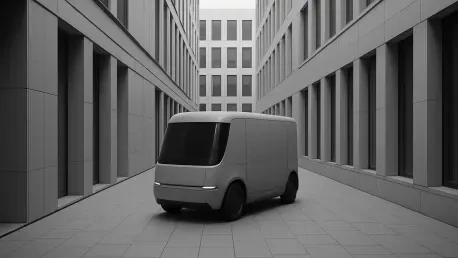
The rhythmic hum of electric motors on suburban streets at midnight signifies a fundamental shift in how goods move through our increasingly dense urban centers without a single human driver behind the wheel. This transition marks the evolution of last-mile delivery from a labor-intensive manual
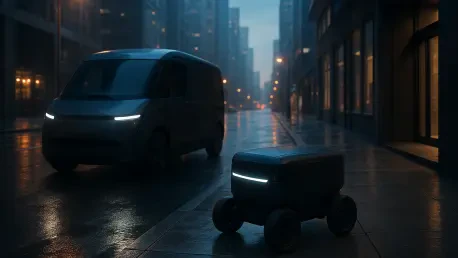
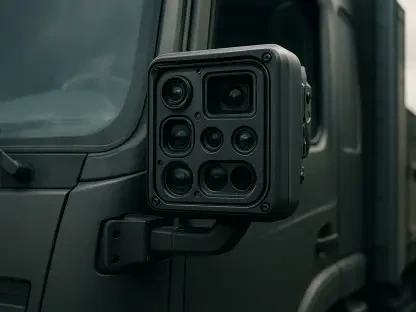
The sight of a forty-ton Class 8 truck navigating a bustling interstate without a human behind the wheel has transitioned from a science-fiction trope into a daily reality for major logistics hubs across the Sun Belt. While the technological milestones achieved on the open highway are undeniable,
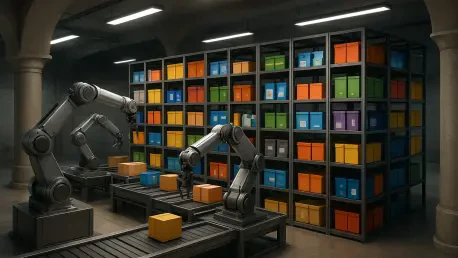
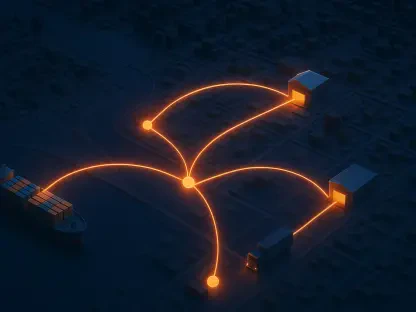
The rapid evolution of American consumer behavior has fundamentally altered the architectural landscape of metropolitan logistics, forcing retailers to abandon centralized shipping models in favor of hyper-local automation. This transition is not merely a tactical adjustment to existing supply
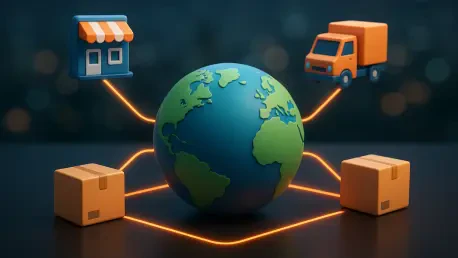
The rapid convergence of digital inventory management and physical retail execution has transformed the way modern merchants approach customer satisfaction and supply chain efficiency. Unified commerce represents a strategic move beyond simple omnichannel sales toward a transparent environment

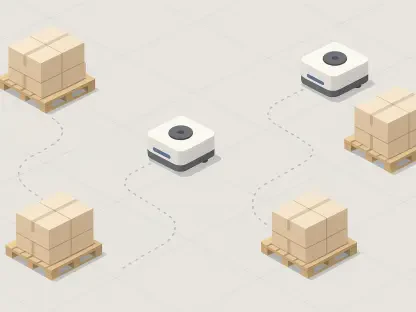
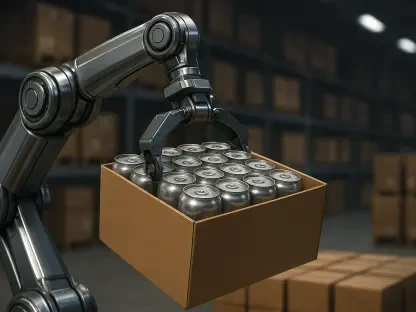
The seamless efficiency of modern logistics no longer rests on the stamina of human workers but on the sophisticated reasoning of silicon and steel. As supply chains face a staggering 90% talent acquisition gap, the pivot toward automated infrastructure has transformed from a futuristic luxury into
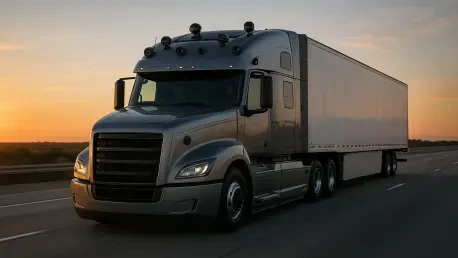
The sight of a heavy-duty trailer navigating a complex highway interchange without a driver touching the wheel has shifted from a futuristic novelty into a standardized industrial reality. At the 2026 Autonomous Mobility Industry Exhibition, the focus has moved decisively away from small passenger