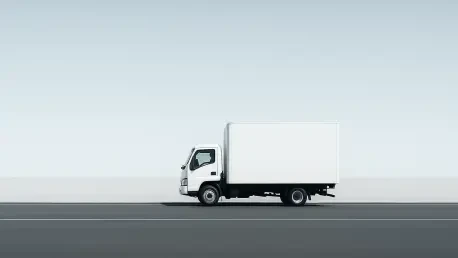

The sprawling highway network connecting Dallas and Houston has become a live proving ground for the next generation of logistics technology as driverless heavy-duty vehicles begin moving commercial cargo. Volvo Autonomous Solutions and the AI-driven firm Waabi have officially transitioned their partnership from the laboratory to the open road, deploying a fleet of specialized Volvo VNL trucks to handle real-world loads. This initiative represents a sophisticated collaboration with Warp, a digital freight provider that manages complex shipping routes, to prove that autonomous systems can handle the density and unpredictability of Texas highways. Unlike previous pilot programs that focused on closed tracks, this deployment involves the delivery of actual retail products to third-party distribution centers. By integrating the Waabi Driver software into a platform built with deep mechanical redundancies, the industry is witnessing a credible step toward a hands-off future in freight transit.
Engineering Foundations: The Autona Ecosystem
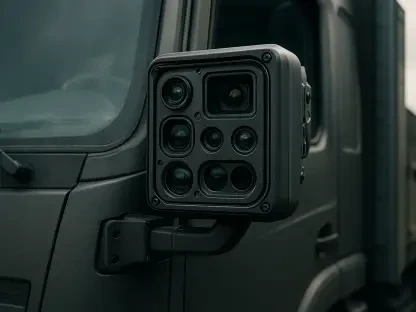
At the core of this operation lies the Autona ecosystem, a comprehensive framework designed by Volvo to encompass every aspect of autonomous transportation from vehicle maintenance to real-time route optimization. The physical platform, the Volvo VNL Autonomous truck, is not a standard semi-truck with bolt-on sensors but a vehicle re-engineered to support high-level automation through safety-critical redundancies. These systems ensure that if a primary component like steering or braking experiences a fault, a secondary system can safely manage the vehicle’s trajectory. This hardware-software synergy is complemented by the Waabi Driver’s proprietary AI, which uses advanced generative modeling to predict the behavior of other motorists. By treating the truck as a integrated unit rather than a collection of parts, the partnership addresses the technical skepticism that has long shadowed the industry, providing a stable platform for high-capacity freight systems.
While the ultimate goal is full autonomy, current operations maintain a human safety observer behind the wheel to monitor system performance and intervene during unprecedented road scenarios. This phased approach allows engineers to collect massive amounts of telemetry data, refining the algorithms that govern how the truck interacts with narrow loading docks and complex merging lanes. The Houston-Dallas route is particularly valuable for this data collection because it presents a high volume of heavy traffic and diverse environmental stressors, such as high-temperature pavement and sudden thunderstorms. As the Waabi Driver processes these variables, the software develops a more nuanced understanding of the local infrastructure, which is essential for achieving the level of reliability required by major shippers. This real-world validation process is critical for building public trust, as it demonstrates that autonomous trucks can coexist with passenger vehicles while strictly adhering to safety.
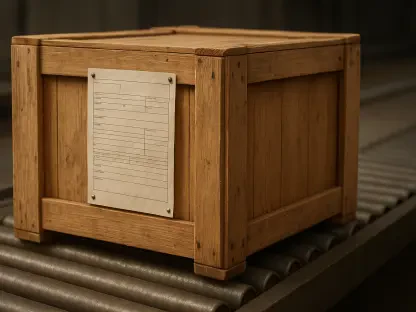
The application of autonomous technology to the less-than-truckload shipping segment represents a significant departure from simple point-to-point long-haul routes. LTL shipping is difficult to manage because it requires the consolidation of multiple smaller shipments from different customers into a single trailer, often involving numerous stops and complex scheduling constraints. Warp’s involvement in this project provides the software intelligence necessary to coordinate these moving parts, ensuring that the autonomous trucks are utilized at maximum capacity. By bypassing traditional hub-and-spoke models where cargo is frequently unloaded and re-sorted, these self-driving vehicles can move freight directly between facilities, significantly reducing the transit time and the risk of damage during handling. This streamlined approach allows for more predictable delivery windows, which is a vital metric for retail and manufacturing partners who rely on just-in-time inventory systems.
Strategic Implementation: Moving Toward Scalable Solutions
To capitalize on these early successes, industry stakeholders focused on standardizing the communication protocols between autonomous fleets and state-level traffic management systems. Regulators and private firms worked together to identify specific highway zones optimized for autonomous transit, ensuring that the infrastructure supported the high-bandwidth data transmission required for safety monitoring. Logistics managers audited their existing warehouse locations to determine which facilities could be converted into autonomous-ready terminals, focusing on lanes where automation provided the greatest return on investment. The transition required a commitment to retraining the workforce to manage fleet operations from centralized command centers rather than from inside the cab. By prioritizing a safety-first integration strategy and investing in vehicle-to-everything connectivity, the shipping industry moved closer to a fully resilient and automated freight network. These early deployments in the Texas triangle proved the future.
Transitioning to a software-driven logistics model offered a potential solution to the chronic shortage of long-haul drivers that had challenged the trucking industry. By automating the repetitive and taxing middle-mile segments of the shipping route, human drivers were transitioned to more complex short-haul or last-mile deliveries that required a higher degree of manual dexterity and personal interaction. This shift not only improved the overall efficiency of the freight network but also enhanced the job quality for workers who preferred to stay closer to home. The economic implications were equally profound, as autonomous trucks theoretically operated for longer durations than human-driven vehicles, which were limited by strict hours-of-service regulations. Increased vehicle utilization led to lower operational costs per mile, a saving that eventually reached consumers in the form of reduced fees. As the Dallas-Houston lane proved successful, the blueprints established here served as the foundation for a wider expansion across the Sunbelt.