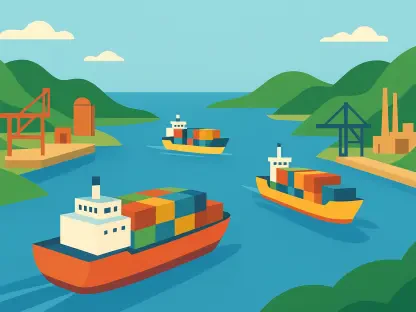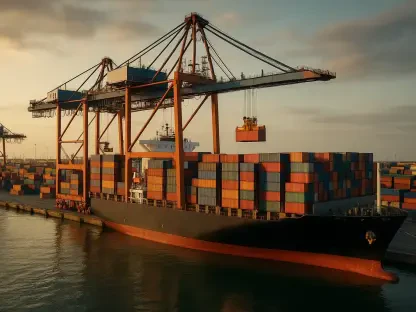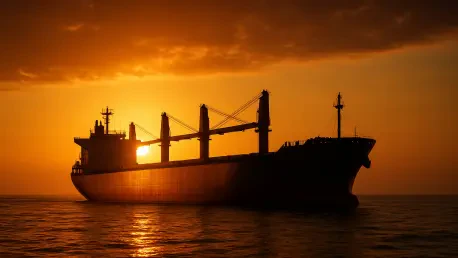

Using ethanol as a primary maritime fuel source could potentially reduce carbon emissions by up to 90% over the full lifecycle compared to traditional heavy fuel oil. This statistic lies at the heart of a transformative partnership between the Japanese shipping giant Mitsui O.S.K. Lines and the Brazilian mining titan Vale. Their collaboration centers on a long-term, 25-year charter agreement involving two massive 210,000-metric-ton ore carriers. These vessels are pioneering a new era in maritime logistics, as they represent the world’s first implementation of tri-fuel propulsion technology on such a scale. This innovative system allows the ships to operate on ethanol, methanol, or traditional heavy fuel oil, providing an unprecedented level of operational flexibility. By integrating these fuels, the industry moves closer to the targets set in the environmental vision of major stakeholders, aiming for a significant reduction in the environmental footprint of global iron ore trade routes.
The Strategic Blueprint: Long-Term Decarbonization Goals
The introduction of these tri-fuel vessels is a cornerstone of Vale’s broader strategy to tackle Scope 3 emissions, which encompass the indirect carbon footprint generated throughout the entire value chain. For a company shipping millions of tons of iron ore from Brazil to global markets like China, these logistical emissions are a primary concern. By committing to a quarter-century-long agreement, both companies are demonstrating that the transition to green energy requires more than just short-term pilot projects; it demands sustained capital investment and a clear vision for the next several decades. These vessels, scheduled for delivery in 2030, align perfectly with Mitsui O.S.K. Lines’ strategic environmental roadmap, which seeks to achieve net-zero greenhouse gas emissions by 2050. This alignment shows a growing consensus among industry leaders that the path to sustainability is paved with versatile technologies that can adapt to changing regulatory and economic landscapes.
Engineering these 210,000-metric-ton behemoths requires a departure from conventional ship design to accommodate the unique storage and handling requirements of multiple fuel types. The tri-fuel capability is not merely an experimental feature but a calculated move to mitigate the risks associated with fuel price volatility and supply chain uncertainties. While methanol and ethanol serve as the primary low-carbon alternatives, the ability to switch back to traditional fuel oil ensures that the vessels can maintain reliable operations even if alternative fuel infrastructure is temporarily unavailable at specific ports. Furthermore, the ships are designed with energy-saving technologies that optimize hull performance and reduce overall consumption. This holistic engineering approach ensures that the decarbonization effort is not reliant solely on the fuel itself but is supported by a more efficient platform that maximizes every unit of energy used during these long transoceanic voyages.
Future-Proofing the Fleet: Adaptability and Logistics
Beyond the immediate benefits of the tri-fuel system, these vessels are built with an LNG and ammonia-ready architecture, representing a masterclass in future-proofing maritime assets. This design philosophy acknowledges that the green transition is an evolving process where today’s cutting-edge fuel might eventually be superseded by even cleaner alternatives like zero-carbon ammonia. By incorporating the necessary structural and technical provisions now, the owners can avoid prohibitively expensive retrofits in the future. This adaptability is crucial as global bunkering infrastructure expands from 2026 to 2030 and beyond. The shift toward such versatile designs signals a move away from the one-size-fits-all approach to fuel, allowing operators to pivot their strategies based on the availability and cost-effectiveness of different energy sources. This flexibility serves as a safeguard against the rapid pace of technological change and ensures the fleet remains competitive globally.
Stakeholders within the maritime and mining sectors recognized that achieving deep decarbonization required a collaborative ecosystem that spanned the entire fuel supply chain. By establishing a framework for procurement, bunkering, and operational management, these industry leaders set a precedent for how heavy industry could address climate goals without compromising logistical reliability. The successful integration of tri-fuel technology demonstrated that the path forward involves diversifying energy risks and investing in adaptable platforms. Future considerations must now focus on scaling the production of bio-based ethanol and green methanol to meet the rising demand from the shipping industry. To maintain this momentum, regulators and private entities needed to harmonize global standards for alternative fuels, ensuring that bunkering hubs across the primary trade routes were equipped to handle these new energy carriers. This proactive stance ensured the transition was a strategic evolution.