
The Current Landscape of the Global and Domestic Logistics Industry
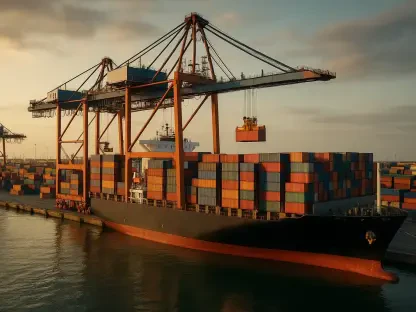
The intricate web of global commerce depends entirely on a seamless coordination of freight transportation and warehousing that keeps the modern world moving without a single moment of hesitation. In the current economic climate of 2026, the logistics industry serves as more than just a delivery mechanism; it has evolved into the central nervous system of international trade. This sector is characterized by a sophisticated interplay between multi-modal transport networks and high-tech supply chain management systems. As the industry moves further away from the rigid, traditional models of the past, it embraces a more fluid, technology-driven ecosystem where data is as valuable as the physical cargo being moved across borders and oceans.
The United States market remains a primary objective for international expansion due to its mature infrastructure and the high-value nature of its domestic consumption. This sector is dominated by established third-party logistics providers and vast trucking networks that have recently integrated advanced automation to handle the surging volumes of e-commerce. Within this environment, specialized niches such as temperature-controlled transport and urban “last-mile” delivery have seen their importance skyrocket. The demand for fresh perishables and sensitive medical supplies has forced a transformation in how fleets are managed, shifting the focus toward real-time responsiveness and extreme environmental precision.
Furthermore, the industry is navigating a period of significant regulatory evolution and environmental consciousness. Fleet operators are no longer judged solely on their speed but also on their adherence to stringent safety protocols and their carbon footprint. The integration of advanced fleet management software has become a necessity to optimize routes, reduce fuel consumption, and ensure compliance with federal mandates. This transition toward specialized, high-efficiency logistics has created a fertile ground for companies with deep operational experience to seek out new territories where their refined models can provide a competitive edge in a crowded marketplace.
Evaluating Market Dynamics and Growth Projections
Emerging Trends in Temperature-Controlled and Specialized Logistics
The logistics sector is currently defined by an aggressive shift toward niche specialization, where the ability to handle complex cargo is the primary differentiator between market leaders and general carriers. Temperature-controlled logistics, often referred to as the cold chain, is witnessing a period of unprecedented growth as the global demand for biologics, high-end food products, and sensitive chemicals continues to climb. Companies are increasingly looking for “white-glove” trucking services that go beyond simple transport to offer comprehensive environmental monitoring and specialized handling for high-value freight such as advanced electronics. This trend is driven by a consumer base that expects perfect product integrity upon arrival, regardless of the distance traveled.
Technological influences have moved past the experimental stage and are now the baseline for any specialized operation in 2026. Real-time tracking, IoT-enabled climate sensors, and AI-driven dispatching algorithms are now standard requirements for maintaining service contracts with major manufacturers. These tools allow for a level of transparency that was previously impossible, providing shippers with a constant stream of data regarding the state of their goods. Moreover, a visible trend of globalization is taking hold as successful regional players look to diversify their revenue streams. By entering mature markets like North America, these firms can hedge against domestic economic fluctuations and tap into a logistics environment that rewards high-level operational discipline.
Market Data and Forward-Looking Performance Indicators
Performance indicators for the U.S. trucking and logistics market suggest a sustained resilience, particularly in the specialized transport segments that avoid the volatility of general freight. From 2026 to 2028, high-value freight categories—including those focused on industrial chemicals and sensitive electronic components—are projected to see higher margin retention than the broader logistics market. This is largely due to the high barrier to entry associated with the equipment and certifications required to move such cargo safely. As supply chains become more fragmented and localized, the demand for integrated providers who can manage complex regional networks is expected to be a primary driver of industry expansion.
Forecasts for the next several years indicate that the most successful firms will be those that can successfully synthesize physical infrastructure with digital optimization. Market data points toward a growing preference among large-scale manufacturers for long-term partnerships with logistics firms that can provide end-to-end visibility. This shift favors companies that have invested in modern fleets and robust software platforms capable of managing the intricacies of multi-state or cross-border transport. While general freight rates may experience cyclical pressure, the specialized sectors remain a growth engine, buoyed by the continuous need for precision and reliability in the transport of the world’s most critical goods.
Navigating Operational and Strategic Obstacles
Attempting to enter the U.S. logistics market is a task fraught with significant operational challenges that can quickly overwhelm a firm that is unprepared for the sheer scale and competition. Foreign entrants must confront a steep learning curve regarding the management of physical assets across thousands of miles while trying to maintain the same service standards they achieved in their home markets. This “execution risk” is particularly acute in the trucking sector, where the physical maintenance of a large fleet and the coordination of long-haul routes require a high degree of local expertise. One of the most persistent obstacles remains the complexity of the labor market, specifically the ongoing struggle to recruit and retain high-quality drivers who are the lifeblood of the industry.
To mitigate these various risks, an expanding company like Haoxin must place an unwavering focus on operational optimization. This involves taking a refined fleet management model and applying it to newly acquired assets to eliminate waste and improve turn-around times. Strategic partnerships and the employment of professional intermediaries are essential components of this process, as they provide the necessary due diligence to identify potential “material liabilities” early in the acquisition phase. Without a thorough understanding of the financial health and safety record of a target company, an international expansion can easily become a drain on the parent organization’s resources rather than a source of growth.
The Regulatory Framework and Compliance Standards
The regulatory environment in the United States is one of the most rigorous in the world, requiring a deep commitment to safety and operational transparency. Every carrier must operate under the strict oversight of the Department of Transportation and the Federal Motor Carrier Safety Administration, which govern everything from driver hours-of-service to the specific maintenance logs of every trailer in the fleet. For an international firm, these rules are not suggestions but are the very foundation of their legal right to operate. Failure to comply can lead to massive fines, the grounding of the fleet, or the total revocation of operating licenses, making regulatory literacy a top priority for any firm looking to plant a flag in North American soil.
Ensuring that a company meets “3A-Grade” service standards—or the local American equivalent of high-tier logistics certification—demands a comprehensive understanding of environmental mandates and security measures. This is especially true for firms transporting regulated materials such as chemicals, which are subject to an additional layer of scrutiny from various federal agencies. Beyond simple safety, there are also complexities regarding cross-border investment oversight that must be managed to ensure that the acquisition of domestic infrastructure does not trigger national security or trade concerns. A successful expansion requires a specialized legal and compliance team that can navigate these local laws with the same precision used to navigate a truck through a major metropolitan area.
Future Outlook and Market Disruptors
The coming years will likely see the logistics industry defined by a synthesis of traditional physical infrastructure and radical digital innovation. One of the most significant potential disruptors is the maturation of autonomous trucking technology, which is beginning to move from closed-course testing to limited use on major highway corridors. While the full replacement of human drivers is still a distant prospect, the integration of driver-assist technologies and autonomous platooning is set to redefine fuel efficiency and safety. Furthermore, the pressure for “green” logistics is intensifying, with both regulators and corporate clients demanding a reduction in the carbon footprint of transport activities, favoring firms that invest in electric or alternative-fuel vehicles.
As consumer behavior continues to favor faster and more reliable delivery, the ability to manage urban “last-mile” logistics will become a major differentiator between successful and struggling firms. Future growth will be found in the integration of global supply chains where a single provider can offer a transparent, end-to-end view of the product journey from the factory floor to the final destination. Innovation in dispatching software that can react instantly to weather patterns, traffic congestion, and changing customer requirements will be the primary catalyst for growth. The firms that thrive will be those that treat logistics not as a commodity service but as a high-tech data industry that happens to move physical goods.
Final Assessment of Haoxin Holdings’ Expansion Prospects
The strategic venture undertaken by Haoxin Holdings represented a bold transition from a specialized regional operator to a potential international contender in the logistics space. The executive team recognized that their 22-year history in factory logistics and temperature-controlled transport in China provided a unique blueprint that could be exported to the Western hemisphere. However, the path to a successful U.S. presence was paved with the need for cautious optimism rather than aggressive assumptions. The initial phases of identifying a target and initiating due diligence demonstrated a commitment to professional oversight, ensuring that the company did not inherit unforeseen financial or legal burdens.
The management successfully identified that the primary challenge lay in bridging the cultural and operational gap between two very different trucking markets. They focused on applying their established fleet management practices to the U.S. infrastructure while acknowledging the necessity of local expertise to handle the nuances of the American labor market. Securing the necessary financing and maintaining high service standards remained the critical benchmarks for whether the initiative would translate into long-term value. Stakeholders looked toward the company’s ability to navigate the complex regulatory environment of the Department of Transportation as the ultimate test of their operational maturity.
Ultimately, the move toward North American expansion served as a significant signal to the market that Haoxin was ready to diversify its interests and scale its specialized model on a global stage. The company prioritized a structured approach, utilizing intermediaries to ensure that every step of the acquisition process was grounded in data rather than speculation. This initiative highlighted the growing trend of sophisticated logistics providers seeking to master the complexities of cross-border trade. As the expansion progressed, it became clear that the synthesis of seasoned operational discipline and a willingness to adapt to local market realities was the only viable strategy for achieving sustainable success in the high-stakes world of international logistics.