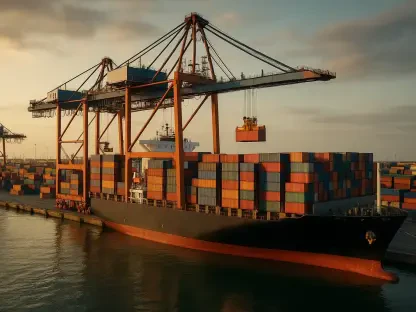

The traditional foundation of global shipping procurement has shifted away from private handshakes and toward a digital environment where search engine visibility and algorithm-driven discovery determine the success of multi-million dollar contracts. As the logistics industry navigates this transformation, the methods used to secure high-value agreements have transitioned from legacy networking to complex digital interactions. Procurement officers now prioritize providers who demonstrate technical proficiency and transparency through their online presence long before a formal meeting occurs.
The Digital Shift in Global Freight Procurement
Modern logistics is experiencing a radical reorganization where digital-first procurement has become the standard for large-scale operations. Traditional models focused on physical presence and cold calling are struggling to remain relevant as shipping networks grow in complexity and scale. Today, the ability to win a contract depends on a firm’s ability to exist within the sophisticated online ecosystems where global shippers conduct their daily business.
The shift toward digital procurement means that the competitive landscape is no longer limited to the largest global players with the biggest sales teams. Mid-sized forwarders can now compete for the same lucrative contracts by positioning themselves as specialized experts through targeted digital channels. This democratization of the bidding process allows firms with the strongest digital infrastructure to capture market share that was previously inaccessible through traditional networking alone.
Why Online Visibility Dictates Modern Logistics Success
The silent research phase has become the most critical stage of the business-to-business buying cycle, with shippers performing exhaustive due diligence in private. Most procurement professionals complete the majority of their vendor evaluation before ever engaging with a sales representative. If a logistics provider does not maintain a prominent digital footprint during this independent investigation, they are essentially removed from consideration before the formal Request for Proposal even begins.
Visibility serves as the primary credential in a world where search algorithms and artificial intelligence act as the initial gatekeepers. Shippers equate high search rankings and a professional digital interface with reliability and technological maturity. Consequently, a firm that lacks an authoritative online presence is viewed as a riskier partner, regardless of their actual operational capabilities or historical performance in the physical world.
Strategic Framework for Capturing International Shipping Leads
1. Dominating the Search Landscape with Precision SEO
Success in search engine optimization requires moving beyond generic industry terms to focus on the specific technical requirements of global trade. By targeting precise search queries, logistics firms can connect with shippers at the exact moment they are looking for a solution to a complex cargo problem.
High-Value Targeting for Niche Cargo and Specialized Sectors
Developing specialized landing pages for sensitive goods like pharmaceuticals, hazardous materials, or perishables allows a firm to showcase its regulatory knowledge. These pages must detail compliance with international safety standards and demonstrate the specific equipment used for such cargo. This level of detail reassures niche shippers that the provider possesses the technical expertise required for high-stakes transport.
Mapping the Digital Journey for Lane-Specific Traffic
Strategic content should center on specific trade lanes and key port hubs to capture high-intent traffic from procurement officers looking for regional specialists. For instance, creating resources focused on specific routes allows a company to appear as the primary authority for that geographic area. This localized approach helps smaller firms dominate specific niches by outperforming generalist competitors in relevant search results.
2. Optimizing for the AI and Chatbot Era
As the use of artificial intelligence for sourcing vendors increases, optimizing for AI models has become a vital competitive advantage for forwarders. These tools synthesize data from across the web to recommend the most reliable partners to corporate decision-makers.
Establishing Brand Authority Through Data Consistency
Maintaining uniform company information across all digital directories and social platforms ensures that AI models can verify a firm’s identity. Inconsistent data regarding services or locations creates doubt within the algorithms, which can lead to a lower recommendation priority. Reliability in the eyes of an AI starts with the meticulous management of every digital mention of the brand.
Leveraging Original Research to Feed AI Models
Publishing proprietary data regarding port congestion, freight rate fluctuations, or regulatory updates provides the raw material AI tools need to cite a firm as an authority. When a company provides the data that these models use to answer user queries, they establish a level of trust that is difficult to replicate through standard advertising.
3. Strengthening Credibility Through Digital PR and Thought Leadership
Third-party validation serves as a powerful multiplier for trust, moving a logistics provider from a simple vendor to a respected industry leader. When reputable trade publications feature a firm, it signals to the market that the provider is a stable and knowledgeable entity.
Securing Placements in Authoritative Trade Publications
By offering expert insights on global shipping disruptions, executives can earn mentions in prominent journals, which acts as a formal endorsement. These placements are highly valued by procurement officers who look for external proof of a provider’s competence.
Building a High-Authority Backlink Ecosystem
Earning links from reputable news sites and logistics portals improves search engine rankings and signals industry leadership. This network of links acts as a digital vote of confidence, telling both search engines and human researchers that the firm is a central part of the global supply chain.
4. Maximizing Conversion with Technical Performance
Traffic alone does not secure contracts; the digital interface must be capable of converting interest into a formal request for a quote. Technical excellence on the backend is just as important as the content on the frontend.
Eliminating Friction with Rapid Quote Systems
Replacing traditional, slow contact forms with real-time quoting tools significantly improves the likelihood of capturing a lead. In a high-speed corporate environment, the ability to provide instant feedback can be the deciding factor in whether a shipper moves forward with a specific provider.
Displaying Verifiable Trust Signals and Certifications
Featuring ISO certifications and customs partnerships prominently on the website provides immediate reassurance to prospective clients. These signals prove that the firm meets international standards for safety and efficiency, which is a prerequisite for most global shipping contracts.
Core Pillars of a Winning Digital Logistics Strategy
A successful digital strategy is built upon early intervention in the buying cycle to influence procurement decisions before they are finalized. It relies on niche specialization to bypass the noise of a crowded market and focuses on integrated authority across search and AI platforms. Finally, technical excellence ensures that the user experience is seamless, reflecting the efficiency that a shipper expects from their logistics partner.
Navigating the Future of Digital Logistics Competition
The gap between digitally advanced forwarders and traditional firms is growing wider as shippers demand more real-time data and transparency. Future success depends on the ability to provide hyper-personalized service and technical visibility into every step of the shipping process. Firms that prioritize their digital presence as a core operational asset will lead the market, while those treating it as an afterthought will face increasing isolation.
Implementing a Digital-First Approach to Secure More Contracts
Logistics providers that mastered this digital transition recognized that their website was no longer a static brochure but a dynamic engine for growth. They audited their digital footprints to ensure that AI tools and search engines identified them as authoritative sources of shipping expertise. By investing in lane-specific content and streamlining the quote process, these firms successfully captured high-intent leads that were previously invisible to them.
The most effective organizations integrated their public relations and SEO efforts to build a unified brand identity that resonated with modern procurement officers. They prioritized data-driven insights and verified certifications to build a foundation of trust that withstood the scrutiny of the silent research phase. Ultimately, the industry moved toward a model where digital maturity was the primary prerequisite for securing the next generation of global shipping contracts.